In Guyana, the coexistence of Brazilian and Guyanese communities creates a unique cultural tapestry that influences daily life and economic activities. The significant Brazilian presence, primarily driven by economic opportunities in mining and agriculture, shapes interactions in various facets of society. This article delves into how these two communities interact, the cultural exchanges that occur, and the practical implications for expatriates and returning diaspora professionals living in Guyana.
Historical Context of Brazilian Migration to Guyana
The influx of Brazilians into Guyana can be traced back to the early 1990s, a period marked by restrictive mining policies in Brazil that pushed many to seek opportunities abroad. Approximately 15,000 Brazilians currently reside in Guyana, primarily in neighborhoods such as Georgetown and along the border regions. Most of these individuals work in the mining industry, taking advantage of Guyana's rich natural resources, which are more accessible than in Brazil due to regulatory frameworks.
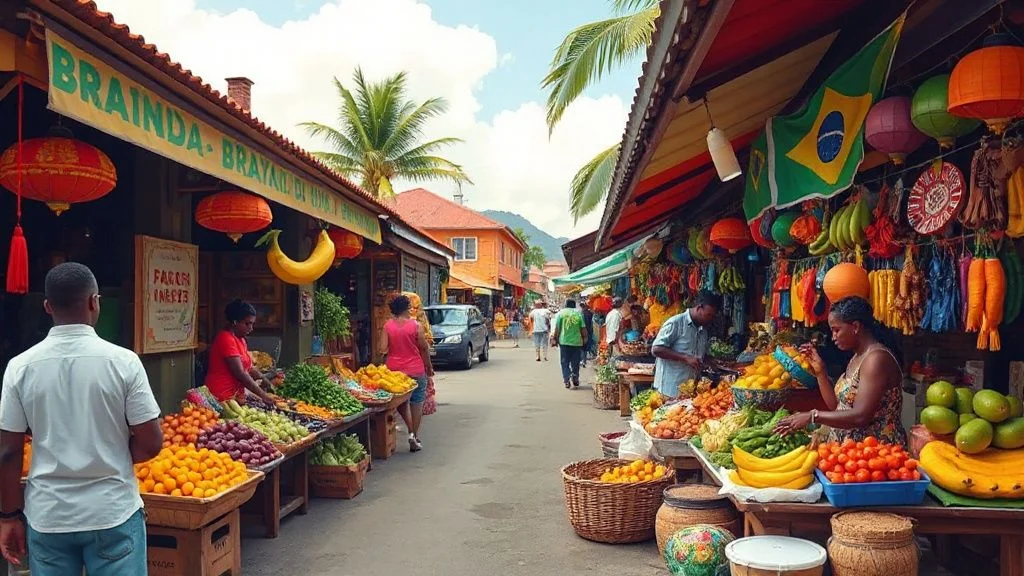
Over the years, the Brazilian community has integrated into Guyanese society while maintaining their cultural identity. This is evident in local markets, where Brazilian products such as tropical fruits and handicrafts are sold alongside traditional Guyanese items. The proximity of the two countries further facilitates this integration, with many Brazilians crossing the border daily for work and trade.
Cultural Exchange and Integration
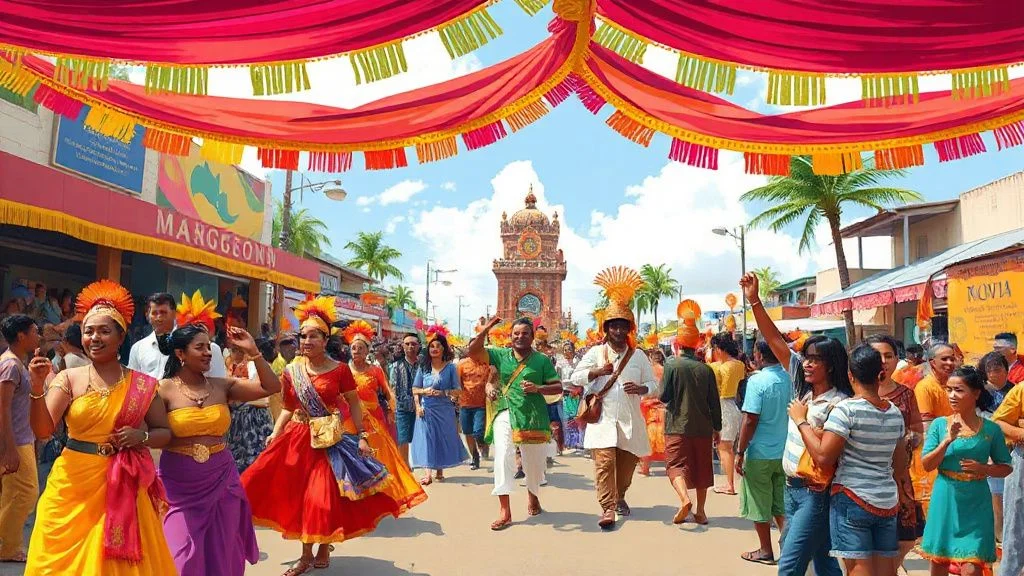
Cultural interactions between Brazilians and Guyanese are vibrant and multifaceted. Festivals and celebrations play a significant role in this exchange. For instance, the Brazilian Carnival, celebrated in February, has found its way into Guyana, with many Brazilians hosting events that showcase samba, traditional Brazilian music, and dance. Local Guyanese often participate, creating a festive atmosphere that fosters camaraderie and cultural appreciation.
Similarly, Guyanese festivals such as Mashramani, which celebrates Republic Day on February 23, also see participation from the Brazilian community. This event is marked by colorful parades and cultural displays, where Brazilian and Guyanese musicians collaborate, sharing their rhythms and traditions. This blending of cultures not only enriches the local culture but also strengthens community bonds.
Language and Communication
Language plays a crucial role in the daily interactions between these communities. While English is the official language in Guyana, Portuguese is widely spoken among Brazilians. Many Brazilians learn English to facilitate communication, especially in professional settings. Conversely, some Guyanese are picking up Portuguese, recognizing the growing presence of Brazilians in their neighborhoods and workplaces.
This linguistic exchange enhances social interactions and helps bridge cultural gaps. Local businesses, particularly in the hospitality and service sectors, often employ bilingual staff to cater to both communities. This practice not only improves customer service but also fosters a sense of belonging among expatriates and immigrants.
Economic Interactions
The economic relationship between Brazilian and Guyanese communities is significant, particularly in sectors like mining, agriculture, and trade. Brazilian businesses often collaborate with local enterprises, creating job opportunities and fostering economic growth. Many Guyanese benefit from the expertise and resources that Brazilian companies bring, particularly in mining operations, where technical skills are essential.
Furthermore, the cross-border movement of goods and services has become a daily routine for many. Local markets frequently feature Brazilian goods, from food products to household items, making them accessible to the Guyanese population. This trade not only supports the local economy but also reflects the interdependence of the two communities.
Challenges and Opportunities
While the integration of Brazilian and Guyanese communities presents numerous opportunities, it also comes with challenges. Issues such as immigration status, employment rights, and access to social services can create friction. Brazilians often face hurdles in securing work permits or navigating the local bureaucratic landscape, which can lead to tension between communities.
Moreover, cultural misunderstandings occasionally arise due to differing social norms and customs. Guyanese society, influenced by its diverse ethnic composition, may have different expectations than Brazilian culture. For instance, the approach to social gatherings and hospitality can vary significantly, leading to unintentional miscommunications. Awareness and sensitivity towards these differences are essential for fostering harmonious relations.
Practical Tips for Expats and Returning Diaspora Professionals
Embrace Cultural Diversity
For expatriates and returning diaspora professionals, understanding and embracing the cultural diversity of both Brazilian and Guyanese communities can enhance daily interactions. Participate in local events, such as the Brazilian Carnival or Mashramani, to immerse yourself in the shared cultural experience. Engaging with community members through these activities can foster friendships and professional networks.
Learn Basic Portuguese
Learning basic Portuguese phrases can significantly improve communication with Brazilian nationals. Simple greetings or expressions of appreciation can go a long way in building rapport. Many language classes or local resources are available for those interested in picking up the language.
Be Open to New Experiences
As an expatriate, being open to new experiences and cultural practices can enrich your life in Guyana. Try Brazilian dishes, attend local markets, or join community gatherings. Such interactions not only broaden your perspective but also demonstrate respect for the diverse cultures present in Guyana.
Conclusion
The daily interactions between Brazilian and Guyanese communities are a reflection of cultural exchange, economic collaboration, and shared experiences. This vibrant relationship enriches the social fabric of Guyana, making it a unique place for expatriates and returning diaspora professionals. By engaging with both communities, embracing diversity, and understanding cultural nuances, individuals can navigate life in Guyana more effectively and enjoy the rich tapestry of experiences it offers.