St. George's Cathedral is one of the most iconic landmarks in Georgetown, Guyana, renowned for its stunning architecture and historical significance. Completed in 1894, it is often celebrated as one of the tallest wooden churches in the world. This article delves into the cathedral's rich history and explores what it houses today, offering expatriates and the returning diaspora a glimpse into a unique aspect of Guyanese culture.
What can we help you with?
Three short questions, then just how to reach you. No account needed.
The Historical Background of St. George's Cathedral
St. George's Cathedral was constructed during a period when Georgetown was experiencing significant growth as a colonial trading hub. The Anglican Church's presence in Guyana dates back to the late 18th century, with the establishment of the church occurring around 1796. However, it wasn't until the mid-19th century that the need for a larger and more prominent church became evident. The cathedral was built to accommodate the growing Anglican community as well as to serve as a symbol of British colonial authority.
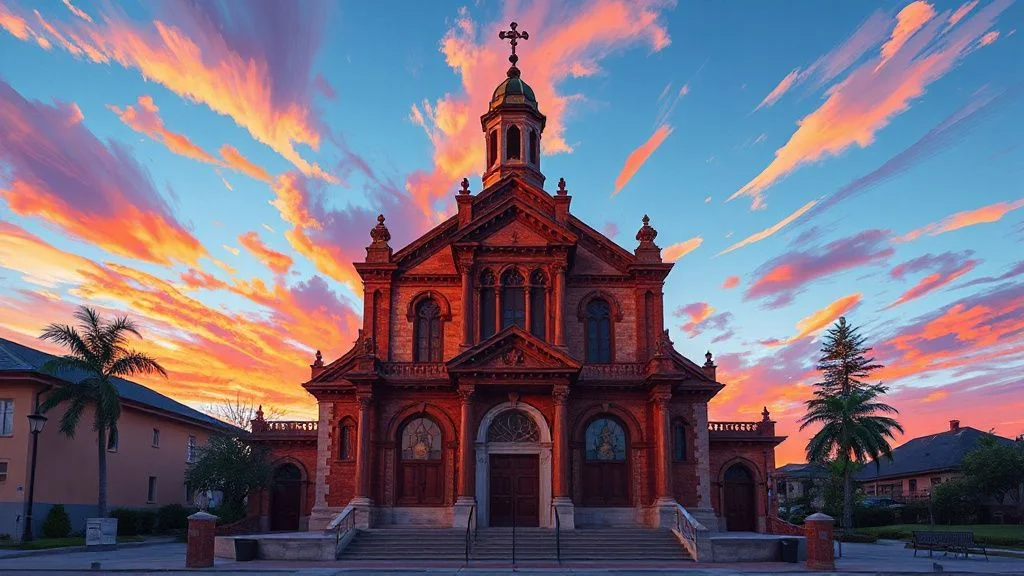
The cathedral's construction began in the late 19th century and was completed in 1894. The structure is made entirely of wood, featuring a striking Gothic design with a tall spire. The impressive height and unique design make it a notable example of wooden architecture, and some sources cite it as the tallest free-standing wooden church in the world. The craftsmanship of Guyanese builders of that era is evident in the cathedral's design and construction.
Architectural Features
St. George's Cathedral exhibits a blend of Gothic and local architectural styles, characterized by its intricate wooden carvings and high ceilings. The interior features various artistic elements that reflect the talent of the period. One of the most striking features of the cathedral is its bell tower, which houses a set of bells that are still used for church services and special occasions, creating a vibrant auditory experience in the heart of Georgetown. The cathedral's layout, with its spacious nave and side aisles, allows for a significant number of worshippers to participate in services, reflecting the church's community-oriented mission.
Significance in Guyanese Culture
St. George's Cathedral holds a prominent place in the cultural landscape of Guyana. It is not merely a place of worship but also a historical site that attracts both locals and tourists. The cathedral has witnessed numerous significant events throughout its history, including national ceremonies and memorial services, particularly during moments of national grief.
Following Guyana's independence in 1966, the cathedral became a symbol of national identity and unity. It has hosted various important national events, including memorial services for prominent political figures and celebrations for national holidays. The cathedral's role in the community extends beyond religious services; it serves as a venue for concerts, art exhibitions, and cultural gatherings, reflecting the diverse traditions of the Guyanese populace.
Annual Events and Services
The Anglican Church in Guyana, with St. George's Cathedral at its center, observes several important religious festivals throughout the year. One of the most notable is Christmas, when the cathedral hosts a series of services that draw large crowds. Additionally, Easter services are significant events that showcase the rich traditions of the church.
Moreover, the cathedral plays a role during Republic Day celebrations on February 23 each year, commemorating Guyana's transition to a cooperative republic in 1970. The events typically include a special service that reflects on the country's heritage and aspirations, bringing together people from various ethnic backgrounds, including Indo-Guyanese, Afro-Guyanese, and Amerindian communities.
What St. George's Cathedral Houses Today
Beyond its status as a historical and architectural marvel, St. George's Cathedral houses various artifacts and treasures that contribute to its cultural significance. The Anglican Church of Guyana has made efforts to preserve and showcase these items, many of which tell the story of the church's evolution in the country.
Among the notable items housed in the cathedral are historic registers that record baptisms, marriages, and deaths dating back to the church's early days. These records are invaluable for genealogical research and provide insight into the lives of the early settlers in Guyana. The cathedral also displays several memorials dedicated to notable Guyanese individuals, offering a glimpse into the nation's history and heritage.
Visitor Experience
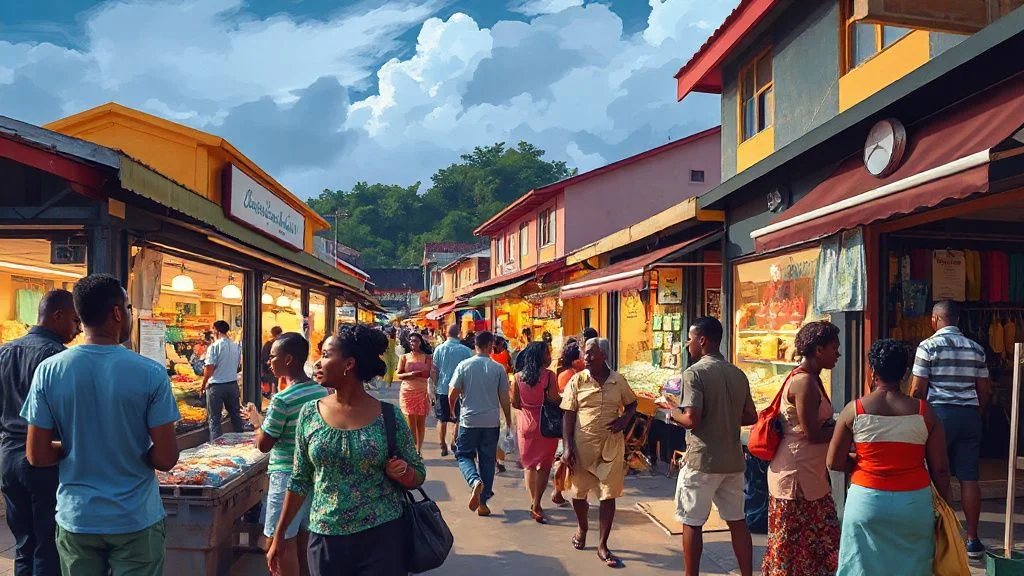
For expatriates and the returning diaspora, visiting St. George's Cathedral provides an enriching experience. While guided tours may not be reliably available, visitors can still appreciate the cathedral's history, architecture, and cultural significance through self-guided exploration. The cathedral's location in Georgetown makes it easily accessible for those exploring the city's other historical landmarks, such as Stabroek Market and Georgetown City Hall. This proximity allows for a comprehensive cultural experience, enabling visitors to appreciate the architectural beauty and historical context of the capital city.
Practical Tips for Expats
When planning a visit to St. George's Cathedral, here are some practical tips for expatriates and returning diaspora professionals:
- Check Service Times: Before visiting, verify the schedule for services or special events, as these can influence visitor access.
- Respect Local Customs: Dress modestly and be respectful while inside the cathedral, as it is a place of worship.
- Photography: While photography is generally allowed, be mindful of any restrictions during services or special ceremonies.
- Explore the Surroundings: Take time to explore the nearby historical sites to enhance your understanding of Georgetown's rich culture.
Conclusion
St. George's Cathedral stands as a testament to Guyana's rich architectural and cultural heritage. Its historical significance, stunning design, and role in the community make it a must-visit for expatriates and returning diaspora professionals. Recognizing its multifaceted contributions to Guyanese society enriches the experience of living in or visiting this vibrant country. Whether attending a service, exploring its artifacts, or simply enjoying the beauty of its architecture, St. George's Cathedral is an essential part of Georgetown's identity.