Living in Guyana presents a unique set of challenges and rewards, especially for expatriates and returning-diaspora professionals. While English is the official language, the vibrant local culture is steeped in the everyday use of Guyanese Creole. This raises an important question: Can you live comfortably in Guyana without speaking Creole at all? This article delves into the linguistic landscape, the cultural context, and practical advice for navigating life in Guyana as an English speaker.
The Linguistic Landscape of Guyana
Guyana stands out as the only English-speaking country in South America, providing a welcoming atmosphere for English speakers. English is used in formal settings such as government, education, and business. However, in daily life, Guyanese Creole, or Creolese, is predominantly spoken. This unique dialect evolved from English, incorporating elements from African languages, Arawak indigenous tongues, and even Hindi and Portuguese influences. While English may suffice in more structured environments, understanding Creole can significantly enhance your experience in social situations.
Everyday Conversations and Local Nuances
In casual conversations, you might hear phrases like "Wha happen?" (What's happening?) or "Mawnin!" (Good morning). These expressions illustrate the musicality and cultural richness of Creole. Although you can get by with English, you may miss subtle nuances that foster connections with locals. For example, using a simple "Thanks plenty" instead of a standard "Thank you" can evoke warmth and friendliness.
However, it's important to note that many Guyanese people are bilingual and can switch between English and Creole effortlessly. This adaptability can be advantageous for expatriates, as locals may accommodate your English-speaking needs while also being patient as you learn the local expressions.
Social Interactions and Community Engagement
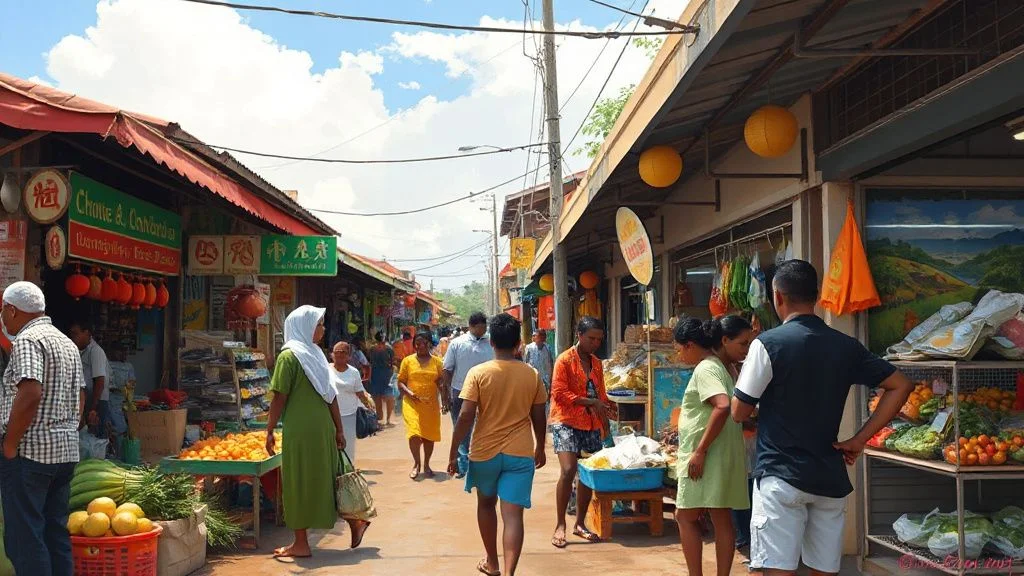
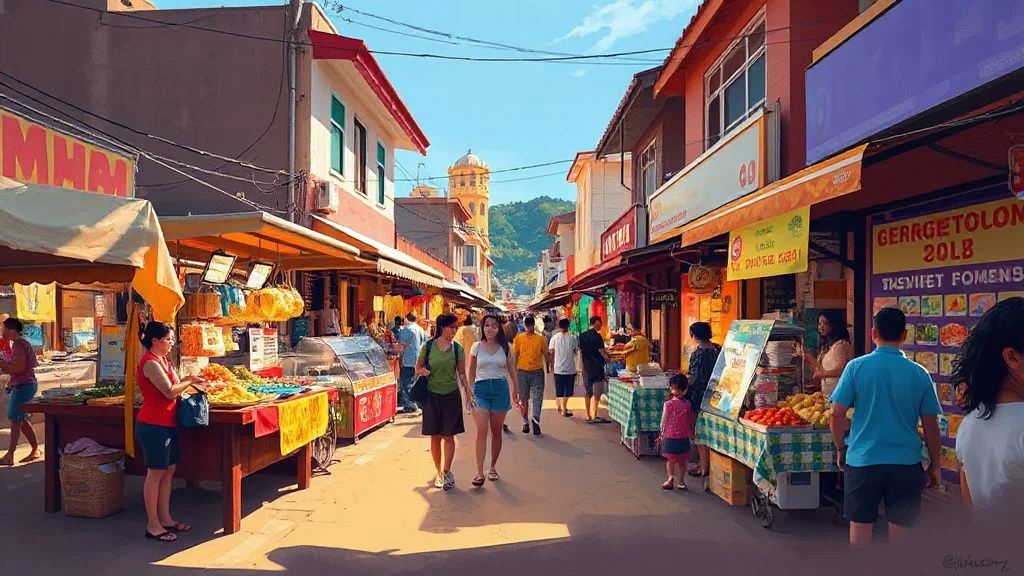
Building relationships in Guyana often involves socializing in informal settings, where Creole is the dominant language. Community gatherings, markets, and even casual conversations on the street are rich with Creole expressions, making it beneficial to have a basic understanding of the language. Nevertheless, you can still engage meaningfully without fluency.
Networking in Professional Settings
In the professional realm, particularly in sectors like oil and gas, English is widely used in meetings, reports, and official correspondence. This aspect creates a conducive environment for expatriates to thrive professionally. Networking events usually feature a mix of English and Creole, so while you may not understand every local idiom, your English-speaking skills will serve you well. Being open to learning a few key phrases can help you make a better impression.
For instance, if you're attending a business lunch, greeting your colleagues with "Nice, man!" after a successful meeting can leave a positive impact. This effort demonstrates respect for local culture while maintaining your comfort with English.
Cost of Living and Daily Life
Understanding the cost of living in Guyana is crucial for expatriates. As of 2026, the average monthly cost for a single person is approximately $1,084. This amount typically covers housing, food, transportation, and entertainment. Renting an apartment in the city center averages about $300 per month, while groceries can cost around $273 monthly. Eating out varies, with local eateries offering affordable options for as low as $164 monthly.
Housing and Accommodation
Finding accommodations can be straightforward for English speakers. Local real estate agents often communicate in English, making it easier to navigate the housing market. When looking for a place to live, consider exploring areas that are popular among expatriates, such as parts of Georgetown. These neighborhoods often have a blend of local and international communities, making it easier to find English-speaking neighbors and amenities.
Understanding Cultural Context and Etiquette
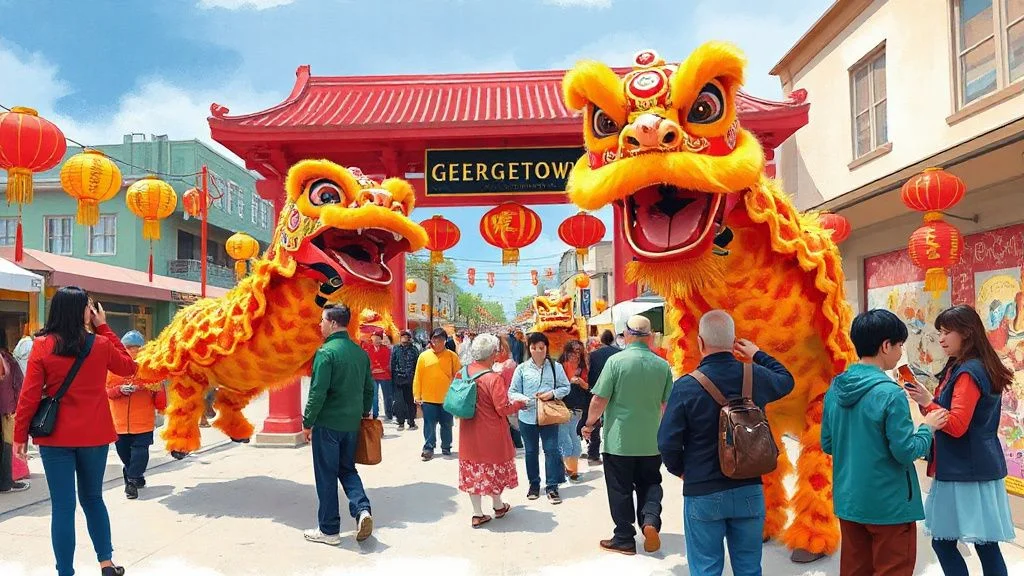
Guyana's culture is a tapestry woven from its diverse ethnic groups, including Indo-Guyanese, Afro-Guyanese, and Indigenous peoples. This diversity is reflected in festivals, traditions, and everyday interactions. Major public holidays such as Republic Day (February 23) and Emancipation Day (August 1) offer opportunities to immerse yourself in local culture. Participating in these festivities helps build rapport with the local community, even if you are not fluent in Creole.
Etiquette Tips for Expats
- Smile and Listen: A genuine smile and attentive listening can go a long way in building connections. Even if you don’t understand every word, showing interest in conversations encourages locals to engage with you.
- Be Respectful: Understanding the significance of cultural practices is essential. For example, during festivals, locals might engage in traditional dances or rituals. Participate respectfully, even if you are not fully versed in their meanings.
- Ask Questions: If unsure about a cultural practice or phrase, don’t hesitate to ask. Most Guyanese will appreciate your curiosity and willingness to learn.
Practical Tips for English Speakers
While you can live in Guyana without speaking Creole, adopting a few strategies can improve your experience. Start with these practical tips:
- Learn Basic Phrases: Familiarize yourself with essential greetings and expressions. Knowing a few key phrases like "Wah yuh name?" (What’s your name?) or "How yuh goin?" (How are you?) can help break the ice.
- Engage in Community Activities: Join local clubs, sports teams, or volunteer organizations that interest you. This exposure not only enhances your understanding of the culture but also provides opportunities to practice Creole in a supportive environment.
- Utilize Language Resources: Consider using language-learning apps or online courses focused on Guyanese Creole. Even a basic understanding will enhance your interactions and show your commitment to embracing local culture.
Conclusion
In conclusion, while it is possible to live comfortably in Guyana without speaking Creole, embracing the local language can enrich your experience significantly. English serves as a strong foundation for professional and everyday interactions, but learning a few key phrases of Creole fosters connections and demonstrates respect for the culture. By engaging with the community and participating in local traditions, you can create a fulfilling and enjoyable life in Guyana.