Guyanese culture is a rich tapestry woven from diverse ethnic backgrounds, historical influences, and a unique social fabric. For expatriates and returning diaspora professionals relocating to or living in Guyana, understanding the attitudes of Guyanese people towards foreigners is crucial for successful integration. This article delves into the social dynamics, cultural nuances, and practical advice for navigating life in this vibrant country.
Historical Context of Foreign Relations in Guyana
Guyana has a complex history shaped by colonialism, migration, and the development of a national identity that embraces diversity. The population is composed of various ethnic groups, including Indo-Guyanese, Afro-Guyanese, mixed heritage, and Amerindian peoples. This multiculturalism influences how Guyanese people perceive foreigners.
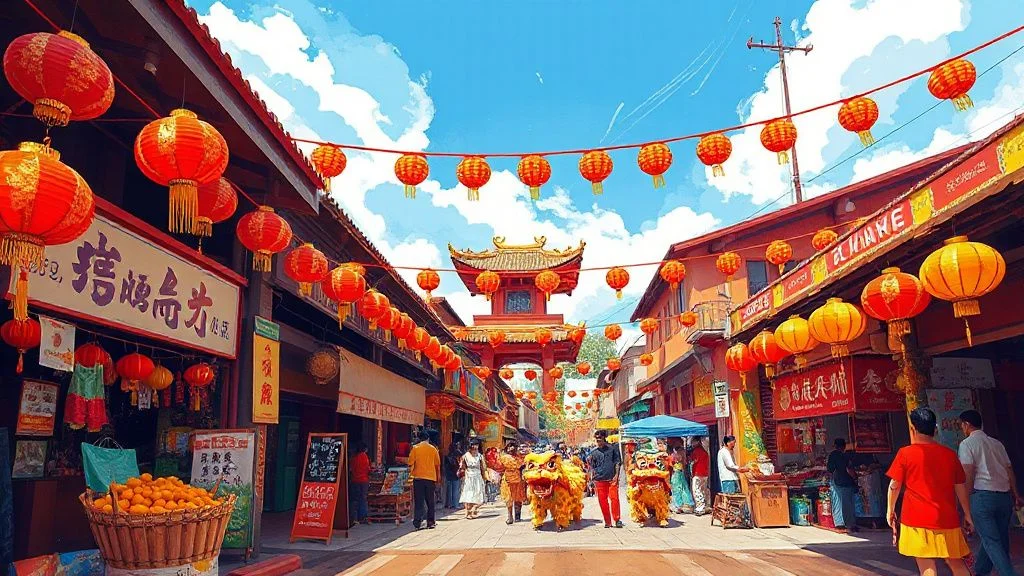
Historically, Guyana has been a melting pot of cultures, with waves of immigrants from India, Africa, China, and Europe contributing to its demographic landscape. As a result, many Guyanese are accustomed to interacting with people from different backgrounds. This openness can foster a welcoming attitude towards foreigners, particularly those who show respect for local customs and traditions.
Current Attitudes Towards Foreigners
Generally, Guyanese people are known for their hospitality and friendliness towards foreigners. Many locals appreciate the economic opportunities that expatriates bring, especially in various sectors contributing to the country's growth. However, attitudes can vary based on individual experiences and perceptions. Some may view foreigners as potential competitors for jobs or resources, while others see them as partners in development.
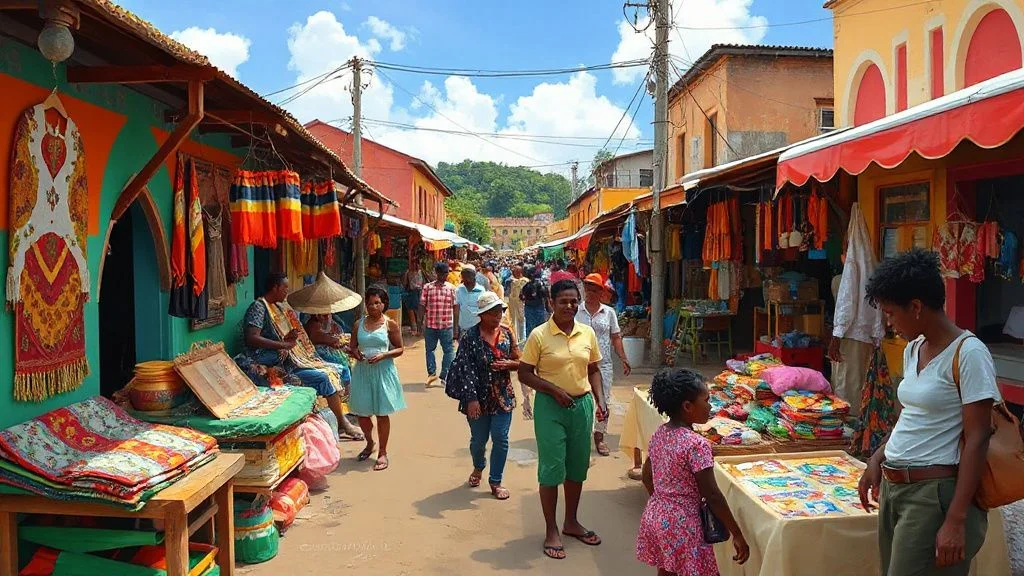
In urban areas like Georgetown, the capital city, the presence of expatriates is more pronounced, leading to a more cosmopolitan atmosphere. Locals often engage with foreigners in social settings, such as markets, restaurants, and cultural festivals. However, in rural areas, where traditional values may be more pronounced, foreigners might encounter more skepticism or curiosity. Understanding these dynamics is essential for successful integration.
Positive Interactions with Locals
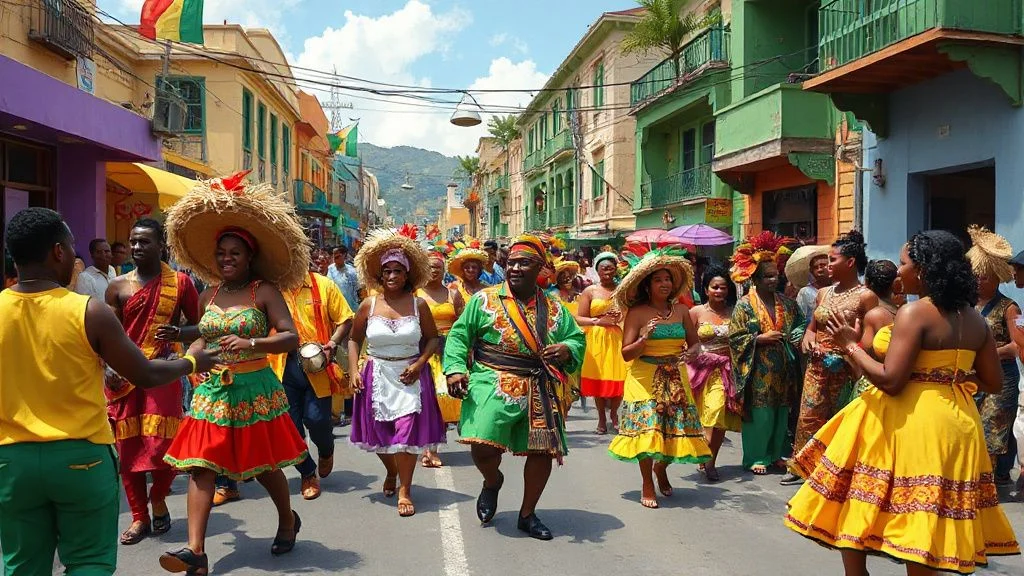
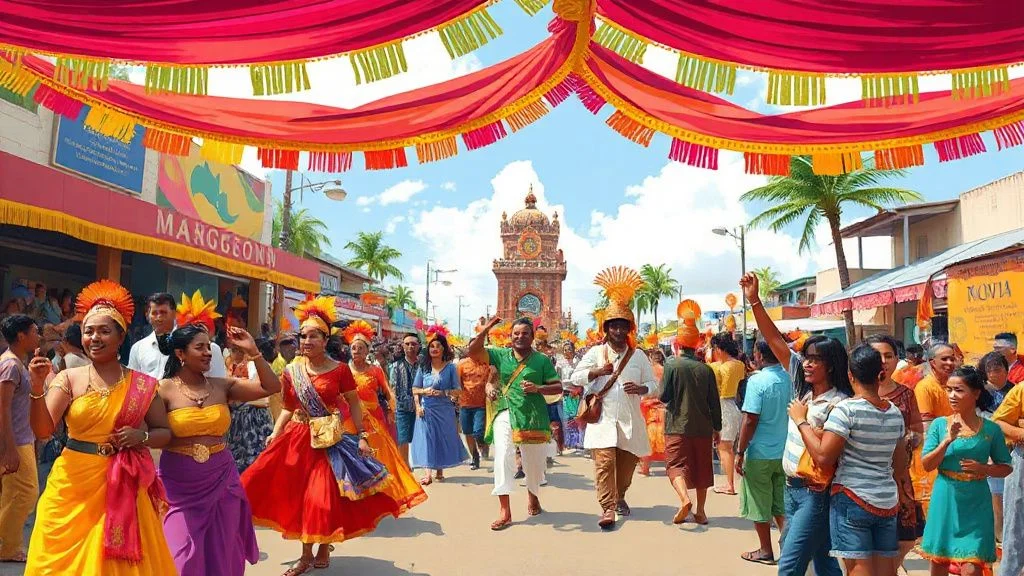
Many expatriates report positive experiences when interacting with Guyanese people. Engaging in community activities, attending local festivals, and participating in traditional celebrations can help build rapport. Events that showcase vibrant parades, music, and dance allow foreigners to immerse themselves in the culture and foster connections with locals.
Moreover, Guyanese cuisine is a delightful way to bond with the community. Sharing meals at local restaurants or inviting neighbors over for a home-cooked dish can break down barriers and create lasting friendships. The warmth and hospitality of Guyanese people often shine through in these interactions, making it easier for foreigners to feel at home.
Challenges and Misunderstandings
Despite the generally positive attitudes, challenges can arise. Some foreigners may inadvertently offend locals by not understanding cultural norms or etiquette. For instance, addressing elders with respect is crucial in Guyanese culture. Using titles such as "Mr." or "Ms." followed by the person's last name is a sign of respect. Failing to do so may be perceived as disrespectful.
Additionally, discussions about politics or social issues can be sensitive topics. Guyana has a history of political tension, and foreigners should approach such conversations with caution. Listening more than speaking and showing genuine interest in local perspectives can help navigate these discussions without causing offense.
Integration Realities for Expatriates
Integrating into Guyanese society requires effort and an open mind. While many locals are welcoming, building trust and understanding takes time. Engaging with the community through volunteer work or local organizations can provide valuable insights into the culture and foster connections. Many expatriates find that joining clubs or groups related to their interests, such as sports or arts, can also facilitate social integration.
Language plays a significant role in integration as well. While English is the official language, Guyanese Creole is commonly spoken in everyday interactions. Learning some basic phrases in Creole can demonstrate respect for the local culture and help bridge communication gaps. Simple greetings or expressions can go a long way in building rapport with locals.
Networking and Professional Integration
For expatriates working in Guyana's diverse economy, networking is essential. Building professional relationships with local colleagues can enhance job satisfaction and facilitate smoother integration into the workplace. Participating in industry events, workshops, or seminars can provide opportunities to connect with local professionals and gain insights into the business landscape.
Moreover, understanding the local work culture is vital. Guyanese workplaces often emphasize teamwork and collaboration. Being approachable and willing to share knowledge can help establish credibility and foster positive working relationships. Respecting local customs, such as punctuality and communication styles, can also contribute to a successful professional experience.
Practical Tips for Expatriates
To navigate the complexities of integration in Guyana, consider the following practical tips:
- Embrace Local Culture: Attend cultural events, try local foods, and engage with the community to build connections.
- Learn Basic Creole: Familiarize yourself with common phrases in Guyanese Creole to enhance communication and show respect.
- Respect Local Customs: Be mindful of cultural norms, especially regarding greetings and discussions about sensitive topics.
- Network Actively: Join local organizations, clubs, or professional groups to expand your social and professional circles.
- Be Patient: Building trust and friendships takes time; approach interactions with an open mind and a willingness to learn.
Conclusion
Guyanese people generally exhibit a welcoming attitude towards foreigners, influenced by the country's rich multicultural heritage. While positive interactions are common, understanding local customs and navigating potential challenges is essential for successful integration. By embracing the culture, learning the language, and actively engaging with the community, expatriates can foster meaningful connections and enjoy a fulfilling experience in Guyana.