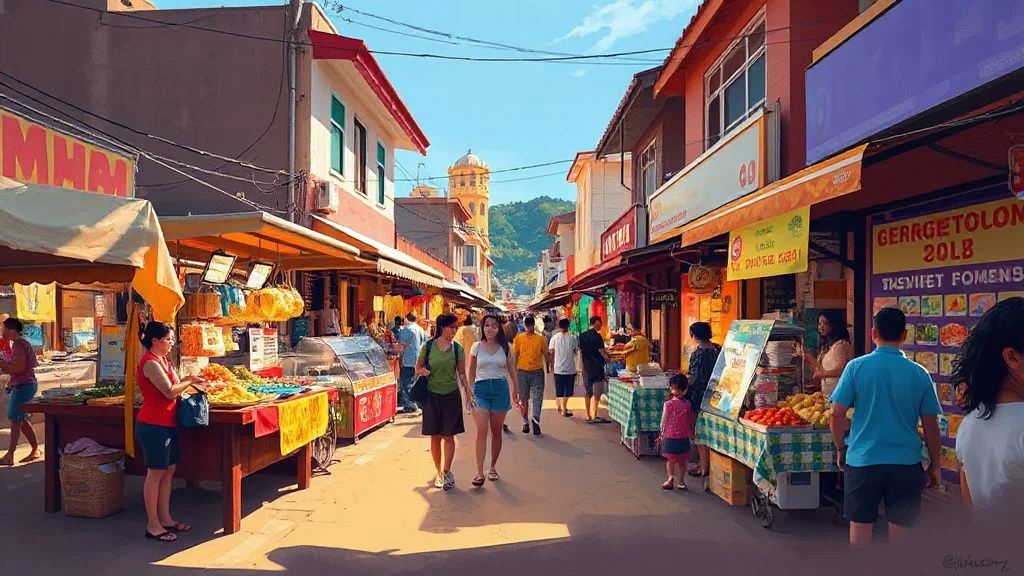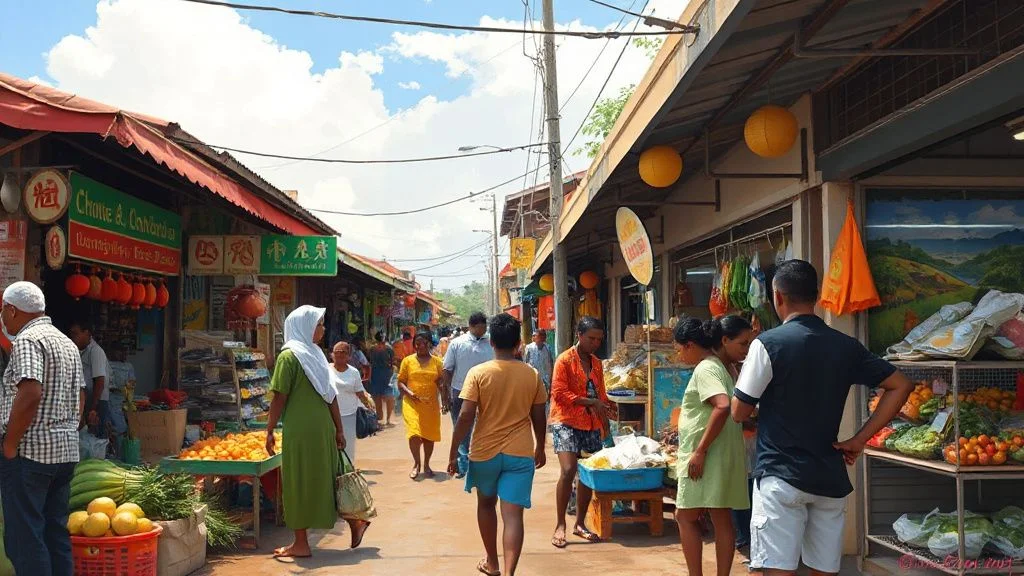
In Guyana, the presence of Mandarin and Hakka speakers reflects the country's rich multicultural tapestry and its historical connections to Chinese communities. This article delves into the current state of Mandarin and Hakka speakers in Guyana, exploring their cultural significance, community dynamics, and the implications for expatriates and the returning diaspora. You'll learn about the cultural practices involved and practical advice for navigating interactions within these communities.
What can we help you with?
Three short questions, then just how to reach you. No account needed.
Historical Context of Chinese Communities in Guyana
The Chinese community in Guyana has a long history, with various groups contributing to the cultural landscape. Among these groups are Hakka speakers, a subgroup of the Han Chinese, who maintain a distinct cultural and linguistic identity. The Hakka community in Guyana is known for its commitment to preserving their cultural identity, which is evident in their community events, festivals, and culinary traditions.
The Hakka language, known for its rich dialectal variations, is part of the Sino-Tibetan language family. It is commonly spoken among the Hakka community in Guyana. Understanding this linguistic landscape is crucial for expatriates and returning diaspora professionals as they engage with these communities.
Demographics and Community Structure
The Chinese community in Guyana, including Hakka speakers, is relatively small but vibrant. The community's commitment to preserving their cultural identity is evident in their community events, festivals, and culinary traditions.
In addition to Hakka, Mandarin has gained relevance, particularly among younger generations seeking to connect with their heritage and expand their opportunities. There is a growing interest in the language among the community. For expatriates and returning professionals, engaging with both Hakka and Mandarin speakers can provide valuable networking opportunities and insights into local business practices.
Cultural Practices and Festivals
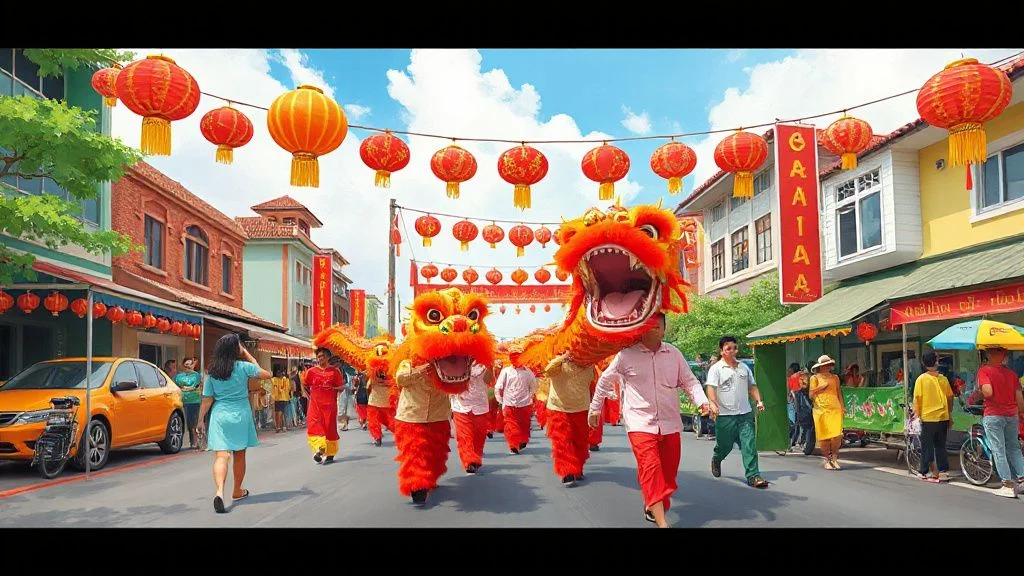
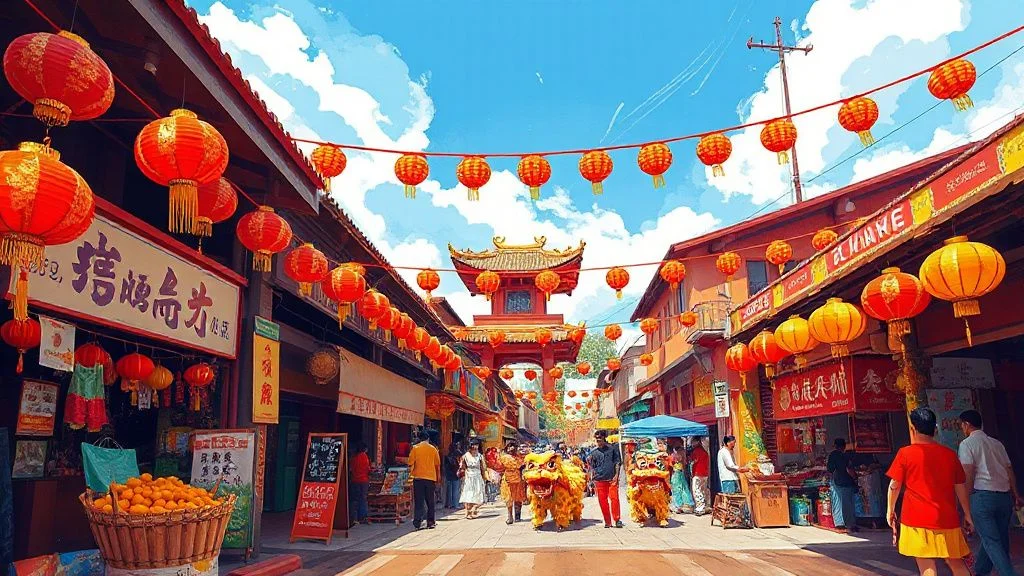
The Hakka community in Guyana celebrates several cultural events that showcase their heritage. One notable festival is the Chinese New Year, which typically falls between late January and mid-February. This vibrant celebration includes traditional foods, lion dances, and family gatherings. It is an excellent opportunity for expatriates to experience Hakka culture firsthand, as many local restaurants and community centers open their doors to the public during this time.
Another significant cultural practice is the observance of the Qingming Festival, or Tomb-Sweeping Day, which typically occurs in early April. This festival involves honoring ancestors through rituals such as cleaning graves, offering food, and burning incense. Participating in these traditions can foster deeper connections with the local community and demonstrate respect for their customs.
Etiquette Tips for Expats
Understanding local etiquette is essential when engaging with Hakka and Mandarin speakers in Guyana. Here are some practical tips:
- Greetings: A simple "Ni hao" (你好) is a respectful way to greet Mandarin speakers, while Hakka speakers may appreciate a greeting in their dialect if you are familiar with it.
- Dining Etiquette: If invited to a Hakka family gathering, it’s customary to bring a small gift, such as fruit or sweets, as a token of appreciation. During meals, wait for the host to start before you begin eating.
- Respect for Tradition: Show respect for cultural practices, especially during festivals. Asking questions and showing genuine interest in their customs can foster goodwill.
Language Dynamics and Learning Opportunities
Mandarin and Hakka serve as crucial means of communication within their respective communities. While English remains the official language of Guyana, many Hakka speakers use their dialect in daily interactions, especially within family settings. This bilingual environment presents a unique opportunity for expatriates and returning professionals looking to learn more about the local culture.
Community organizations and educational institutions may offer language classes for Mandarin and Hakka. Engaging in these programs can enhance your understanding of the culture while also providing networking opportunities with community leaders and fellow learners. Additionally, attending Chinese cultural events can help reinforce language skills through immersive experiences.
Local Resources for Learning
Here are some local resources that may offer language classes or cultural workshops:
- Community Centers: Many neighborhoods with significant Chinese populations often host cultural events and language classes.
- Universities: Some institutions in Georgetown may offer courses in Mandarin, catering to both expatriates and local students.
- Cultural Festivals: Participating in events like the Chinese New Year or Qingming can provide informal language practice and cultural immersion.
What Expats Should Know
For expatriates and returning diaspora professionals, understanding the dynamics of Mandarin and Hakka communities in Guyana can enhance both personal and professional interactions. Here are some key insights:
- Networking: Building relationships within the Chinese community can open doors to business opportunities, particularly in sectors like trade and hospitality.
- Cultural Sensitivity: Acknowledge the cultural significance of language and traditions. This respect can lead to more meaningful connections with community members.
- Community Involvement: Consider volunteering or participating in local events to demonstrate your commitment to the community. This involvement can help you establish a positive reputation.
Conclusion
The presence of Mandarin and Hakka speakers in Guyana enriches the country's cultural landscape and offers valuable insights for expatriates and returning professionals. Understanding the community dynamics and cultural practices is essential for fostering meaningful interactions. As you navigate this multicultural environment, embracing the language and traditions of the Hakka and Mandarin communities can enhance your experience in Guyana, paving the way for personal and professional growth.