Chinese heritage in Guyana is a vital part of the country’s multicultural fabric, with roots tracing back to the mid-19th century. This article delves into the Chinese language influence, the significance of family names, and the cultural integration that has shaped modern Guyanese society.
Historical Context of Chinese Immigration
The Chinese community in Guyana began to emerge after 1853 when the first wave of indentured laborers arrived from China, primarily from southern regions. These individuals left their homeland in search of better opportunities, contributing significantly to the agricultural and economic landscape of British Guiana. Over the years, they transitioned from indentured workers to successful entrepreneurs and established a unique cultural identity within the country's diverse ethnic tapestry.
By the 20th century, the Chinese population in Guyana had begun to thrive, with many families settling in urban areas like Georgetown and Enterprise. This integration was not merely economic; it also involved cultural exchanges that enriched the local customs and traditions, creating a distinct blend of Chinese and Guyanese identities.
Language and Its Importance
Chinese Languages Spoken in Guyana
While English is the official language of Guyana, the Chinese community has retained aspects of their linguistic heritage. Hakka, a language of the Han Chinese, is significant among the Chinese population. This language carries cultural nuances, reflecting the history and traditions of its speakers.
In daily life, many Chinese Guyanese are bilingual, fluent in both English and their native dialects. This bilingualism not only facilitates communication within the community but also helps bridge cultural gaps, allowing for a smoother integration into the broader Guyanese society.
Preservation of Language
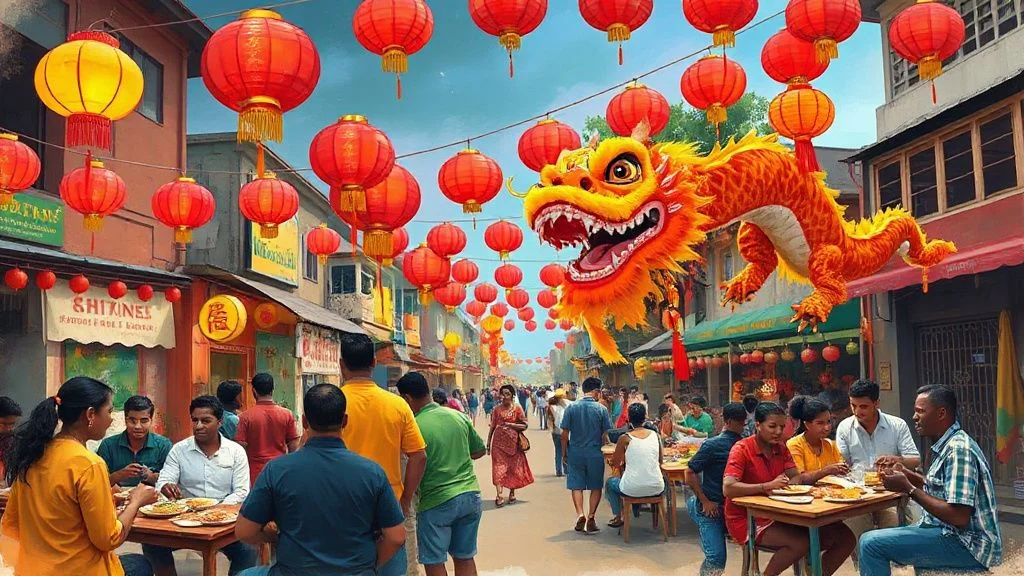
The preservation of the Chinese language is evident in community gatherings and events, particularly during celebrations such as the Chinese New Year. These festivities often feature traditional performances, storytelling, and culinary experiences that highlight the importance of language in cultural transmission. The Chinese Association of Guyana plays a crucial role in organizing these events, ensuring that younger generations remain connected to their linguistic heritage.
The Significance of Family Names
Cultural Heritage Through Family Names
Family names in the Chinese community hold profound significance, often reflecting lineage, heritage, and sometimes even aspirations. Common Chinese surnames found in Guyana include surnames like Chung, Chang, Ming, and Chan-a-Sue, each carrying its own historical background. For instance, the surname Wong (黃) typically signifies "yellow" or "gold," which is often associated with prosperity and good fortune in Chinese culture.
Family names are more than mere identifiers; they are a source of pride and a connection to one's ancestral roots. Many Chinese Guyanese place great importance on maintaining their family names and the stories that accompany them, which helps reinforce their cultural identity within a diverse society.
Modern Usage and Identity
In contemporary Guyana, the significance of family names extends beyond personal identity. They serve as a reminder of the struggles and triumphs of previous generations. Many Chinese families honor their heritage by incorporating traditional naming practices, such as choosing names that carry positive meanings or are linked to historical figures. This practice emphasizes the continuity of cultural values and the importance of family history in shaping individual identities.
Cultural Contributions and Festivals
The Chinese community's influence is evident in various aspects of Guyanese culture, particularly during festivals and culinary practices. Events like the Chinese New Year and the Mid-Autumn Festival are celebrated with enthusiasm and have become integral to the national calendar. These celebrations foster community spirit and inclusivity, showcasing the rich tapestry of Guyanese culture.
Culinary contributions from the Chinese community have also left an indelible mark on Guyanese cuisine. Popular dishes such as chowmein and fried rice, alongside traditional Chinese pastries, are enjoyed by people from all ethnic backgrounds, highlighting the successful melding of cultures.
What Expats Should Know
For expatriates in Guyana, understanding the nuances of Chinese heritage can enhance cultural appreciation and social interactions. Engaging with local Chinese communities during festivals can provide insight into their traditions, values, and the significance of family names. Learning a few basic phrases in Hakka can also foster goodwill and strengthen relationships with Chinese Guyanese individuals.
Additionally, exploring Chinese cuisine in local restaurants can offer a delightful way to experience this cultural fusion. Many establishments serve dishes that reflect both traditional Chinese recipes and local ingredients, resulting in unique culinary experiences that are a testament to the community's adaptability and creativity.
Conclusion
Chinese heritage in Guyana, marked by its languages and family names, represents a rich cultural legacy that has significantly shaped the nation’s identity. From linguistic preservation to vibrant festivals and culinary contributions, the Chinese community continues to play a pivotal role in enriching the multicultural landscape of Guyana. Embracing this heritage allows for a deeper understanding of the diverse society in which expats and locals coexist, fostering unity and appreciation for cultural diversity.