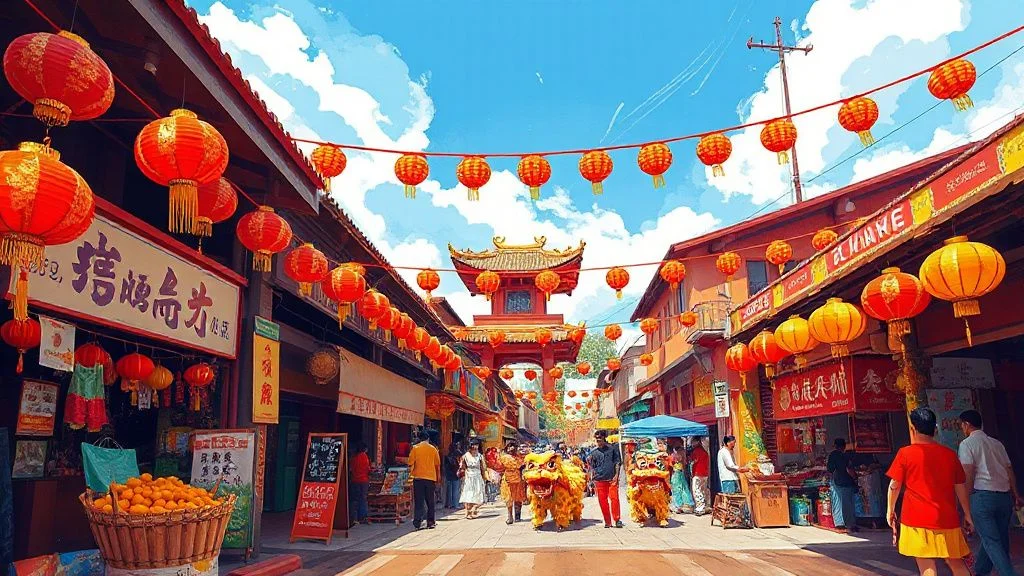
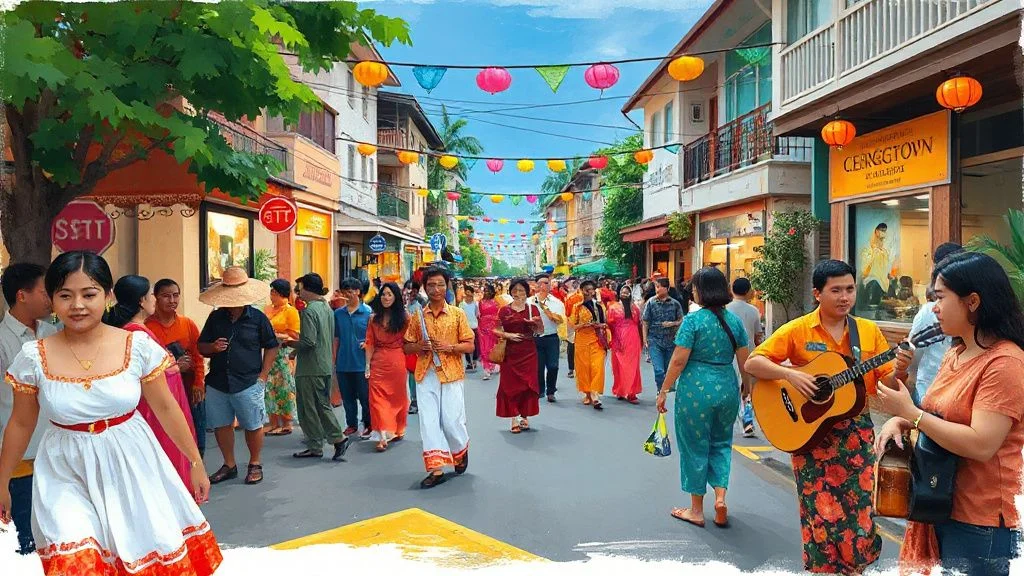
Guyana, known for its rich cultural diversity, is home to vibrant celebrations of Diwali and Phagwah, two major festivals that reflect the country’s deep-rooted Indo-Guyanese traditions. As a guest, experiencing these festivities offers a unique glimpse into the local customs and communal spirit. This article provides insights into both festivals, their significance, and what you can expect as a participant in these joyous occasions.
Understanding Diwali in Guyana
Diwali, also known as the Festival of Lights, typically occurs in October or November, depending on the lunar calendar. This festival symbolizes the triumph of light over darkness and good over evil, rooted in Hindu mythology. In Guyana, Diwali has evolved into a nationwide celebration that transcends religious boundaries, inviting people from various ethnic backgrounds to join in the festivities.
Historical Context
Diwali was introduced to Guyana by Indian indentured laborers who arrived in the 19th century, bringing with them their cultural practices. The first group of Indian immigrants began arriving in 1838, and over the years, they maintained their traditions, which have now become integral to Guyanese culture. As of the last census, approximately 40% of the population identifies as Indo-Guyanese, making Diwali a significant event in the national calendar.
Celebration Activities
As a guest during Diwali, you can expect various activities that showcase the festive spirit:
- Lighting Diyas: One of the most iconic elements of Diwali is the lighting of diyas (oil lamps). Homes and public spaces are adorned with these lamps, illuminating the night and creating a warm, inviting atmosphere.
- Fireworks Displays: Fireworks are a staple of Diwali celebrations, with colorful displays lighting up the sky. Be prepared for loud sounds and vibrant visuals as communities come together to celebrate.
- Family Gatherings: Diwali is a time for family reunions, and you may find yourself invited to partake in meals and rituals with local families. Expect to enjoy traditional dishes like biryani, sweets, and savory snacks.
What to Expect at Phagwah
Phagwah, or Holi, is celebrated in March and marks the arrival of spring. This festival of colors is renowned for its exuberance and joy, with participants throwing colored powders and water at each other. The event typically lasts a day, but the preparations begin weeks in advance.
Cultural Significance
Phagwah commemorates various Hindu legends, including the victory of good over evil, as symbolized by the story of Prahlad and Holika. The festival also celebrates the divine love between Radha and Krishna. It serves as a reminder of the importance of community, friendship, and the renewal of the spirit as the seasons change. Over time, Phagwah has transformed into a national holiday, celebrated by people of all ethnicities, showcasing the multicultural fabric of Guyana.
Celebration Highlights
As a guest during Phagwah, anticipate a lively atmosphere filled with laughter and color:
- Playing with Colors: The highlight of Phagwah is the playful throwing of colored powders (gulal) and water. Be prepared to get messy and join in the fun! Wearing old clothes is advisable, as they may end up stained with vibrant colors.
- Chowtal Singing: One of the unique aspects of Phagwah in Guyana is chowtal singing. This traditional folk singing, performed in Hindi and Bhojpuri, celebrates the deities and tells stories of Krishna and Radha. These songs create a festive ambiance and foster community spirit.
- Delicious Food: Food plays a vital role in both Diwali and Phagwah. Expect to indulge in traditional dishes like seven curry, roti, and sweet treats like gulab jamun and barfi. Local families often prepare large feasts, and sharing food is a significant part of the celebrations.
Etiquette and Practical Tips for Guests
Participating in Diwali and Phagwah celebrations in Guyana can be a memorable experience, but being mindful of cultural nuances will enhance your enjoyment. Here are some practical tips:
Dress Appropriately
During both festivals, it is common to wear bright and colorful clothing. For Diwali, traditional attire such as sarees for women and kurta-pajamas for men is appreciated. During Phagwah, wear clothes that you do not mind getting stained, as the colored powders can be difficult to remove.
Respect Local Customs
As a guest, it is essential to be respectful of local customs. If you are invited to a family celebration, bring a small gift such as sweets or fruit to express gratitude. During the festivities, be open to participating in rituals or games, as this shows appreciation for the hosts and their traditions.
Join in the Fun
Do not hesitate to join in the festivities, whether it’s throwing colors during Phagwah or lighting diyas during Diwali. Engaging in these activities bridges cultural gaps and fosters camaraderie among participants. The locals appreciate it when guests immerse themselves in the celebrations.
Conclusion
Experiencing Diwali and Phagwah in Guyana offers a unique opportunity to connect with the rich cultural heritage of the country. Both festivals highlight themes of community, love, and renewal while embracing the diversity that defines Guyana. By understanding the significance of these celebrations, participating in local customs, and showing respect for traditions, you will create lasting memories and foster meaningful connections with the people of Guyana.