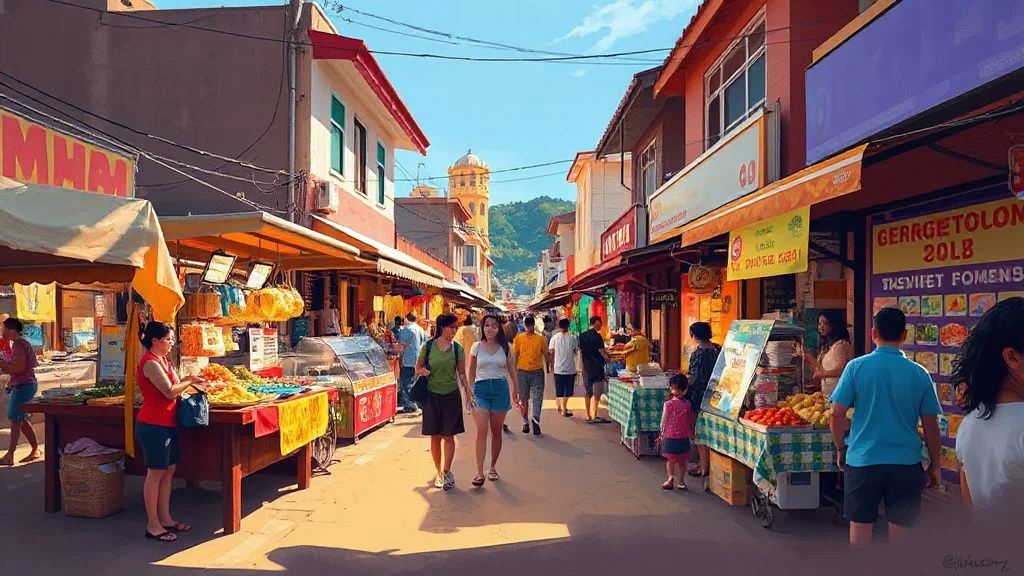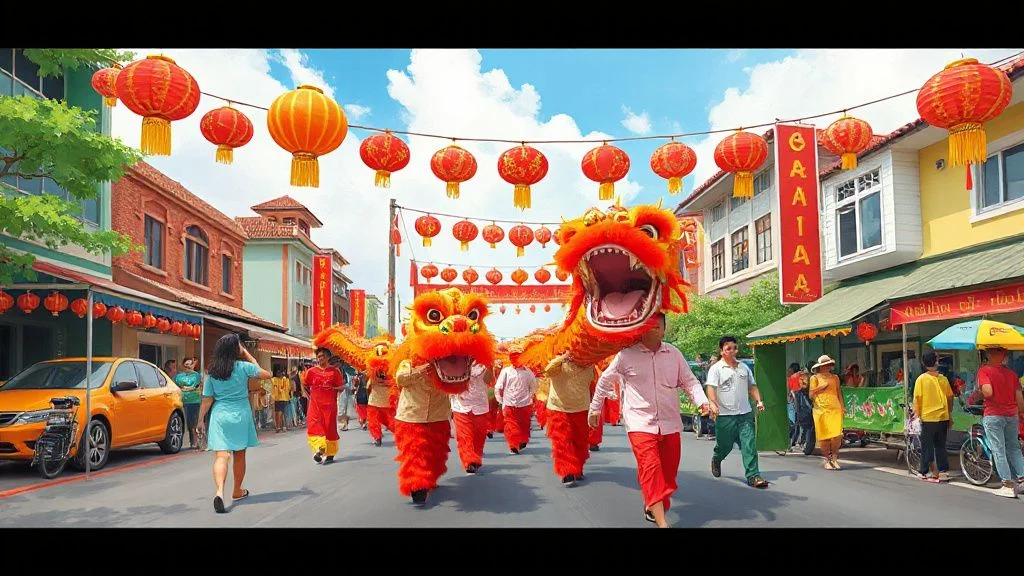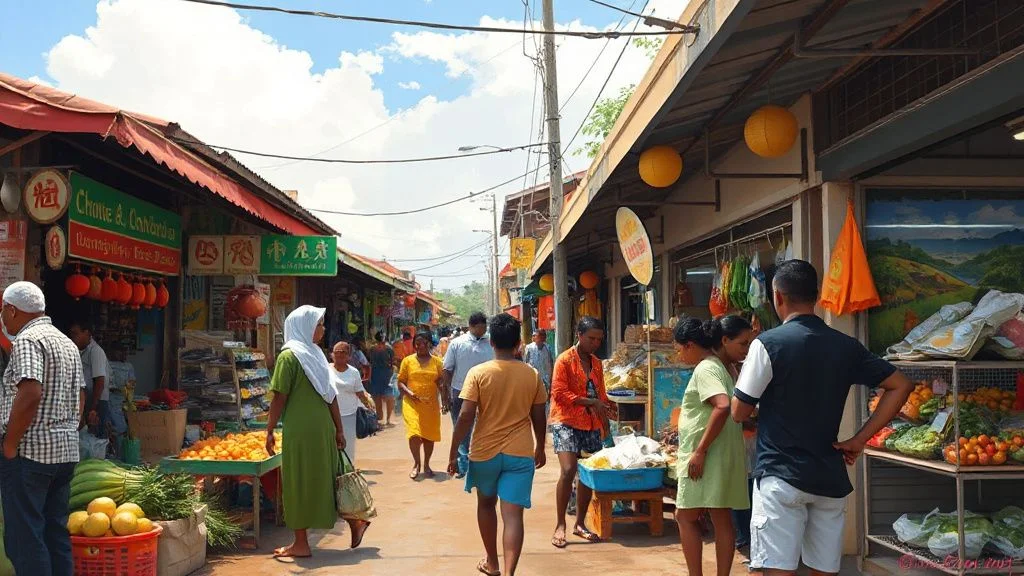
Moving to a new country brings excitement and challenges, especially regarding language and culture. In Guyana, while English is the official language, the everyday spoken language is Guyanese Creole, also known as Creolese. This vibrant and expressive language is a mix of English, African languages, Hindi, and Amerindian influences, reflecting the country's multicultural heritage. In this article, we will explore 20 essential phrases you will likely hear and use during your first week in Guyana, enabling you to connect with locals and navigate daily interactions with ease.
Understanding Guyanese Creole
Guyanese Creole is not merely broken English; it is a distinct language with its own grammar and vocabulary. The evolution of Creolese can be traced back to the colonial period when enslaved Africans needed a common language to communicate. Over time, it incorporated elements from various languages spoken by indentured laborers and Indigenous peoples. Understanding Creolese will not only enhance your experience but also endear you to the locals, who appreciate any effort to speak their language.
Essential Greetings
When you first arrive in Guyana, greeting people properly sets a friendly tone for your interactions. Here are some essential greetings you will hear:
- Mawnin! (Good morning) - Use this greeting until around noon to wish someone a pleasant start to their day.
- Aftanoon! (Good afternoon) - Appropriate for use from noon until evening.
- How yuh goin? (How are you?) - A casual way to ask about someone's well-being.
- Wha happen? (What's happening?) - A friendly, informal way to check in with someone.
- Alright, alright! - A common response to inquiries about how you are doing, indicating that you are fine.
- Lata! (Goodbye / See you later) - A casual farewell that implies you'll see the person again.
Everyday Conversations
In addition to greetings, you'll want to engage in everyday conversations. Here are phrases that are useful in various situations:
- Thanks plenty! (Thank you very much) - A warm expression of gratitude that will earn you smiles from locals.
- Nice, man! (That's great!) - Use this to express approval or enthusiasm about something someone has shared.
- Wah yuh name? (What's your name?) - This is an easy way to introduce yourself and start a conversation.
- Me name [your name]. (My name is [your name]) - A simple phrase to share your name in response.
- Wheh dis? (Where is this?) - Useful for asking for directions or clarifying locations.
- How much fuh dis? (How much for this?) - Essential when shopping or dining out, helping you inquire about prices.
- Lemme get... (I'd like... / Give me...) - A practical way to place an order or request items.
Shopping and Dining
Shopping and dining are integral parts of your daily life in Guyana. Familiarizing yourself with local food and shopping phrases will enhance your experience:
- Lil' bit. (A little) - Use this to indicate a small quantity or portion, especially when ordering food.
- Plenty. (A lot / Very) - This emphasizes quantity, whether you're referring to food, items, or experiences.
- Just now. (Soon / In a while) - This phrase can be ambiguous, so be prepared for flexible timelines!
- One time. (Right away) - Use this to indicate that something will happen immediately.
Food and Drink Vocabulary
Food is a significant part of Guyanese culture. Here are some terms related to local cuisine that will come in handy:
- Cook-up. - A beloved dish of rice cooked with beans and meat, often enjoyed on special occasions.
- Metemgee. - A coconut-based soup with ground provisions, offering a taste of local flavors.
- Pepperpot. - A traditional slow-cooked meat stew seasoned with cassareep, often served at Christmas.
- Roti. - A flatbread frequently served with curried dishes, a favorite among locals.
- Bake. - A fried dough bread that is a staple at many street vendors and cook shops.
Colorful Expressions
Guyanese Creole is filled with colorful expressions that add flavor to your conversations. Here are some you might encounter:
- Wha de scene? (What's happening?) - A casual way to inquire about the current situation.
- Gyul/Bai. (Girl/Boy) - Terms of familiarity that convey warmth among friends.
- Suck yuh teeth. - A sound indicating disapproval or frustration; common in Caribbean cultures.
- Lime. - Means to hang out or socialize casually with friends.
- Ole talk. - Refers to idle chat, gossip, or small talk; perfect for social gatherings.
Practical Tips for Expats
As an expatriate, navigating a new language and culture can be challenging but also rewarding. Here are some practical tips to help you adapt:
- Listen actively: Pay attention to how locals use phrases in context. Mimicking their tone and delivery can enhance your understanding.
- Practice regularly: Engage in conversations with locals, even if you make mistakes. They often appreciate your effort to communicate in Creolese.
- Be patient: Language learning takes time, so don't be discouraged by initial difficulties. Keep a positive attitude and enjoy the process.
- Embrace the culture: Participate in local events and festivals to immerse yourself in the community and practice your language skills.
Conclusion
Learning Guyanese Creole phrases will significantly enhance your experience in Guyana. The 20 phrases covered in this article will help you navigate greetings, everyday conversations, shopping, and dining, making your interactions with locals more rewarding. Embrace the vibrant culture, and don't hesitate to use your new language skills to connect with the people around you. Enjoy your time in Guyana, where every interaction is a chance to learn and grow!