To ship pets to Georgetown, you must obtain a GLDA import permit, which ensures your pet meets health and safety standards. The process involves submitting an application with your pet's details, including vaccination records. A health certificate from your veterinarian is also required. Ensure all documentation is in order before traveling to facilitate a smooth entry into Guyana.
When relocating to Guyana, particularly in Georgetown, ensuring your pets can join you is a top priority for many expatriates. The process involves navigating the Guyana Livestock Development Agency (GLDA) import permit requirements, which can seem daunting at first. This comprehensive guide will walk you through everything you need to know about shipping your pets to Georgetown, including necessary permits, health requirements, and practical tips for a smooth transition.
Understanding the GLDA Import Permit
The Guyana Livestock Development Agency (GLDA) is responsible for regulating the importation of animals, including pets. If you plan to bring your dog or cat with you, obtaining an import permit is mandatory. The permit is designed to ensure that all imported animals meet health and safety standards to protect local wildlife and public health.
Typically, the process for obtaining the GLDA import permit involves several steps. First, you must submit an application to the GLDA. This application includes details about the pet, such as its breed, age, vaccination records, and health status. As of our last update, the processing fee for the import permit is approximately G$20,000 per animal. This fee is subject to change, so verify with official sources before proceeding.
Application Process for the Import Permit
To begin the application process, visit the GLDA website to find the necessary forms, including the Animal Import Permit application. You will need to fill out the application with accurate details about your pet. It's advisable to have your veterinarian fill out the health certificate, which outlines your pet's health status and vaccination records. This certificate must confirm that your pet is free from contagious diseases and must be issued within a specific timeframe before your travel date.
Once you have completed the application and gathered the required documents, submit everything to the GLDA for review. The typical processing time is around four working days, but it can take longer during peak seasons, so plan accordingly. After approval, you will receive your import permit via email or can collect it in person.
- Submit an application to the GLDA with your pet's details.
- Obtain a health certificate from your veterinarian confirming vaccinations.
- Present the import permit and health certificates to customs upon arrival.
Health Requirements for Pets
In addition to the import permit, your pet must meet specific health requirements to enter Guyana. For dogs and cats, a rabies vaccination is mandatory. This vaccine should be administered at least 30 days before your travel date. Some cases may require a rabies titer test, which verifies that the vaccine has provided adequate immunity. Ensure all vaccinations are up-to-date and documented by a licensed veterinarian, as this documentation will be required during the importation process.
Furthermore, pets may also need to be treated for internal and external parasites shortly before departure. A health certificate from your veterinarian is essential, confirming these treatments have been completed. This certificate should also detail any other vaccinations your pet has received.
Transportation Arrangements
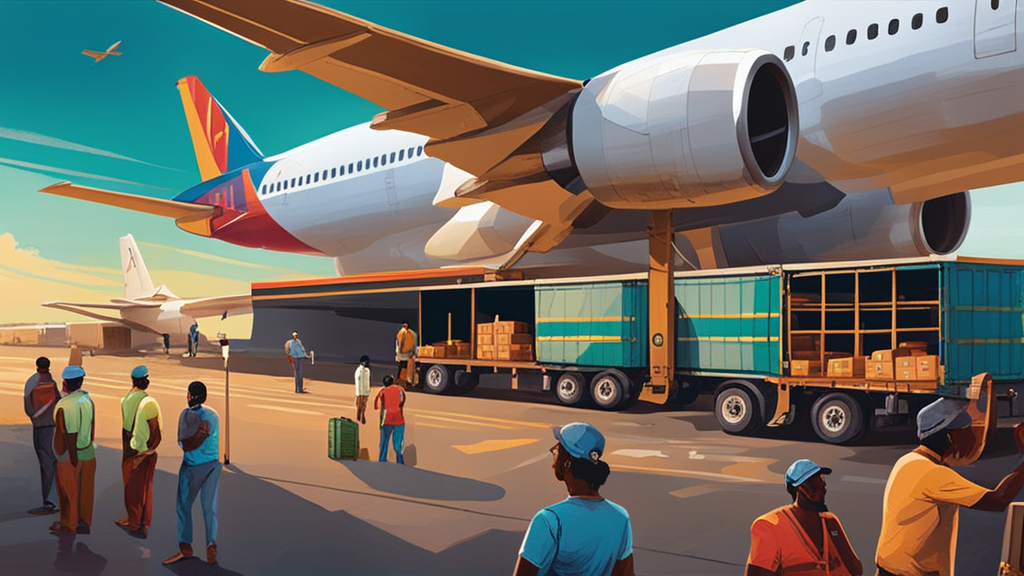
Deciding how to transport your pet is another crucial aspect of the relocation process. There are generally two options: air travel or maritime transport. Most expatriates opt for air travel, as it's typically faster and more straightforward. Major airlines servicing flights to Georgetown will have specific policies regarding pet travel, so review their guidelines carefully. Some airlines require that pets travel in a kennel that meets their size and safety standards.
It's essential to book your pet's travel in advance, as airlines often have limited space for animals. Additionally, ensure you arrive at the airport early to allow sufficient time for check-in and security procedures. During your journey, keep your pet comfortable and secure in its kennel, as this will be crucial for its wellbeing throughout the flight.
Practical Considerations Upon Arrival in Georgetown
Once you arrive in Georgetown, you'll need to navigate the customs process with your pet. Upon landing, you will present your import permit and health certificates to customs officials. They may conduct a brief inspection of your pet to ensure it meets all health requirements. If everything is in order, your pet will be cleared for entry into Guyana.
It's advisable to have a local veterinarian lined up before you arrive. This will ensure that you can address any health concerns your pet may have after travel or ongoing healthcare needs. Additionally, find a veterinarian who is familiar with the import requirements, as they can assist with any future travel plans you may have.
Adapting to Life with Pets in Georgetown
Living in Georgetown can be a significant adjustment for both you and your pet. The climate is tropical, which may require some acclimatization for pets coming from cooler regions. Ensure you provide plenty of water and shade for your pet during the hotter parts of the day. Additionally, be mindful of the local wildlife, as outdoor cats may encounter snakes or other animals that could pose a threat.
Finding pet-friendly spaces is also essential. Many expatriates enjoy taking their dogs to local parks or along the waterfront, but always keep them leashed. There are several neighborhoods in Georgetown where pet owners congregate, making it easier to socialize your pet and meet fellow expatriates. Research local pet supply stores to find food and accessories that suit your pet's needs.
What Expats Should Know
Transitioning with pets to a new country can be stressful, but there are valuable insider tips that can help ease the process. First, consider joining local expat groups on social media platforms, where you can connect with others who have brought pets to Guyana. These groups often share experiences, recommendations, and resources that can be incredibly helpful.
Additionally, maintain open communication with your veterinarian back home, as they can provide insight into any potential health issues your pet may face after arrival. Keeping their contact information handy can be a lifesaver for emergency situations.
Lastly, take the time to explore the local culture with your pet. Guyanese people are generally friendly, and pets are often welcomed in various settings. Exploring local markets and cafes can provide you and your furry friend with a sense of community and belonging.
Conclusion
Shipping your pets to Georgetown involves careful planning and adherence to the GLDA import permit requirements. By understanding the application process, health requirements, and transportation arrangements, you can ensure a smoother relocation for you and your pets. Be proactive about finding local resources and adapting to the new environment—this will make your transition easier and more enjoyable. With the right approach, you and your furry companions can thrive in your new home in Guyana.
Primary Sources
Last updated: October 2026