Relocating to a new country comes with its own set of challenges, and understanding the import regulations is crucial for expatriates moving to Guyana. One common question is whether you need an import license when bringing household goods into the country. This article provides clarity on the matter, offering insights into the import process and the necessary permits required for your belongings.
Understanding Import Licenses in Guyana
An import license is a government-issued document that allows individuals or businesses to bring specific goods into a country. In Guyana, the importation of household goods is generally subject to specific regulations. However, the need for an import license depends on several factors, including the type and value of the goods. Typically, personal effects and used household items can be imported without a license, but certain conditions may apply.
For expatriates relocating to Guyana, it's important to know that the customs regulations are designed to facilitate the smooth entry of personal belongings while ensuring compliance with local laws. Import licenses may be required for certain categories of items. Therefore, it’s prudent to categorize your items before initiating the import process.
When is an Import License Required?
You will need an import license for household goods in Guyana if your shipment includes items that are defined as restricted or regulated by the Guyanese government. This may encompass high-value electronics, new appliances, and other luxury goods. If you are bringing in specialized equipment or items that could be deemed hazardous, a license is also necessary. The goal of these regulations is to prevent illegal goods from entering the market and to protect local industries.
If you are shipping used furniture or personal belongings that do not hold significant value, you may be exempt from this requirement. It's essential to keep in mind that customs officials have the final say in determining whether an import license is necessary, based on the specific items listed in your shipment.
The Import Process: Step-by-Step
The import process for household goods in Guyana can seem daunting, but breaking it down into steps can make it manageable. Here’s a typical outline of the process:
- Preparation: Gather all necessary documents, including a list of the goods you plan to import, proof of residence in Guyana, and any previous customs documentation if applicable.
- Consult with Customs: Before shipping your items, consult with the Guyana Revenue Authority or a local customs broker to verify whether your items require a license and to understand any specific documentation needed.
- Shipping: Once you have all the necessary information, arrange for your goods to be shipped. Ensure that the shipping company is aware of the regulations regarding customs clearance in Guyana.
- Customs Declaration: Upon arrival, you will need to file a customs declaration, listing all items in your shipment. This declaration should clearly indicate which items may require a license.
- Payment of Duties: Be prepared to pay any applicable duties or taxes on your imported goods. The amount can vary based on the value and type of item.
Practical Tips for Expatriates
As a newcomer to Guyana, navigating the import process can be complex. Here are some insider tips to help you along the way:
- Keep Records: Maintain a detailed inventory of your household goods, including receipts or valuations for high-value items, to streamline the customs process.
- Consult Professionals: Enlisting the help of a customs broker can simplify the importation of your goods and ensure that all paperwork is handled correctly.
- Stay Informed: Regulations can change, so regularly check with the Guyana Revenue Authority for the latest information regarding import licenses and customs requirements.
- Plan Ahead: Allow for sufficient time for customs clearance, especially during peak seasons or holidays when processing may take longer.
Cultural Considerations and Adaptation
When relocating to Guyana, understanding the local culture can significantly enhance your experience. The country is known for its diverse population, with influences from African, Indian, and Indigenous cultures. Engaging with local customs and practices can help you adapt more seamlessly.
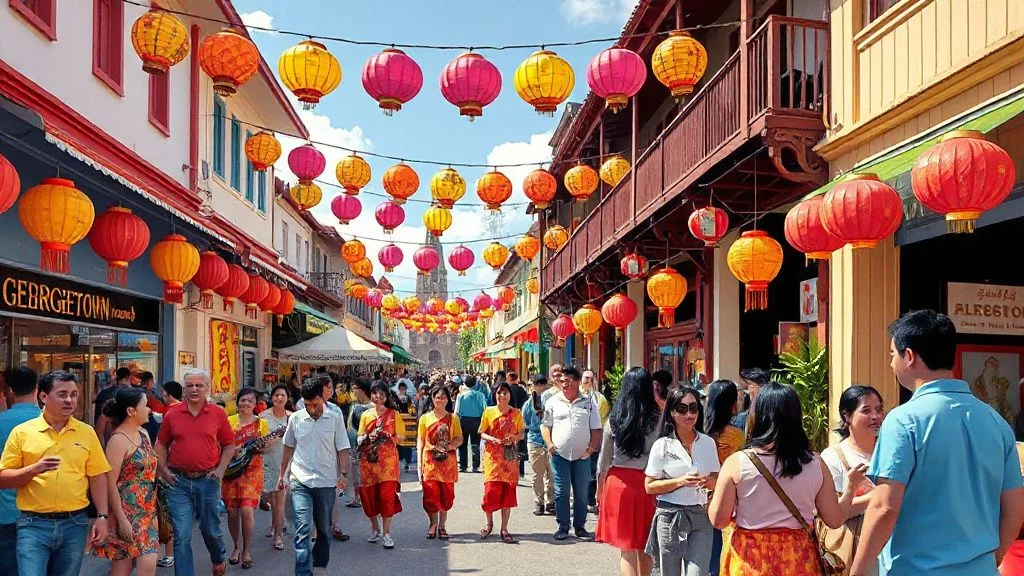
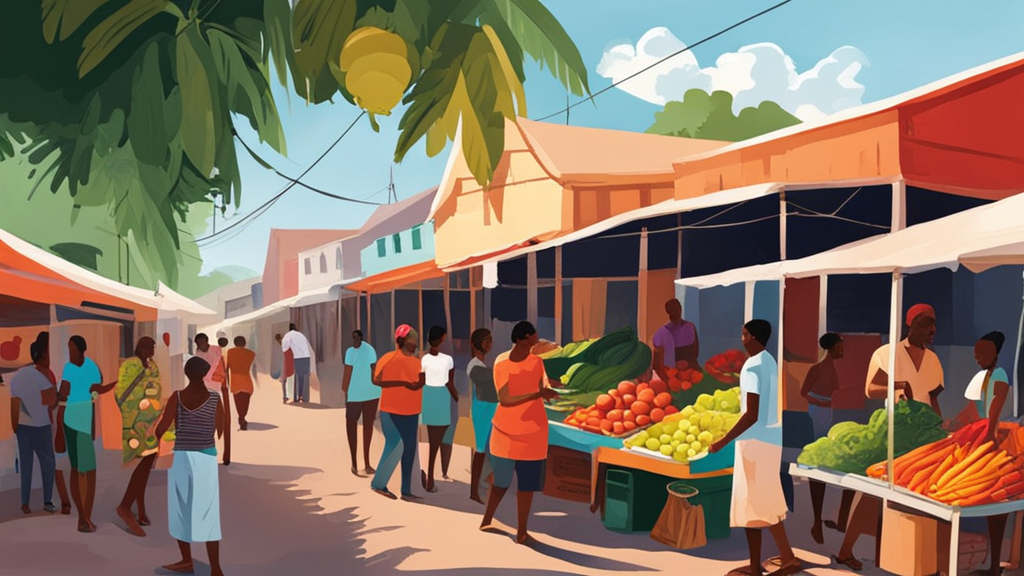
For instance, while you may find familiar stores and markets in Georgetown, shopping for household goods may differ from what you are used to in North America or the UK. Stores may carry different brands and styles, and local marketplaces often offer unique products. Take the time to explore and discover local vendors, which can also be a fun way to integrate into your new community.
Conclusion
In summary, understanding when an import license is necessary for household goods in Guyana is essential for a smooth relocation experience. By familiarizing yourself with the import regulations, consulting with customs officials, and preparing the necessary documentation, you can navigate the process with confidence. Take advantage of local resources and support networks to make your transition to Guyana easier and more enjoyable.