When shipping solar panels and generators to Guyana, you may benefit from customs duty and VAT exemptions under the Guyana Revenue Authority's regulations. These exemptions apply to renewable energy equipment, provided you comply with documentation requirements and ensure that accessories are shipped with the main items. Understanding these duty treatments is crucial for a smooth import process.
Guyana's burgeoning energy sector, particularly in solar power, presents a significant opportunity for expatriates and returning professionals. If you're considering shipping solar panels or generators to Guyana, understanding the duty treatment and customs regulations is essential for a smooth import process. This article will guide you through the necessary steps, potential exemptions, and practical advice for successfully navigating the logistics.
Understanding Duty Treatment for Solar Equipment
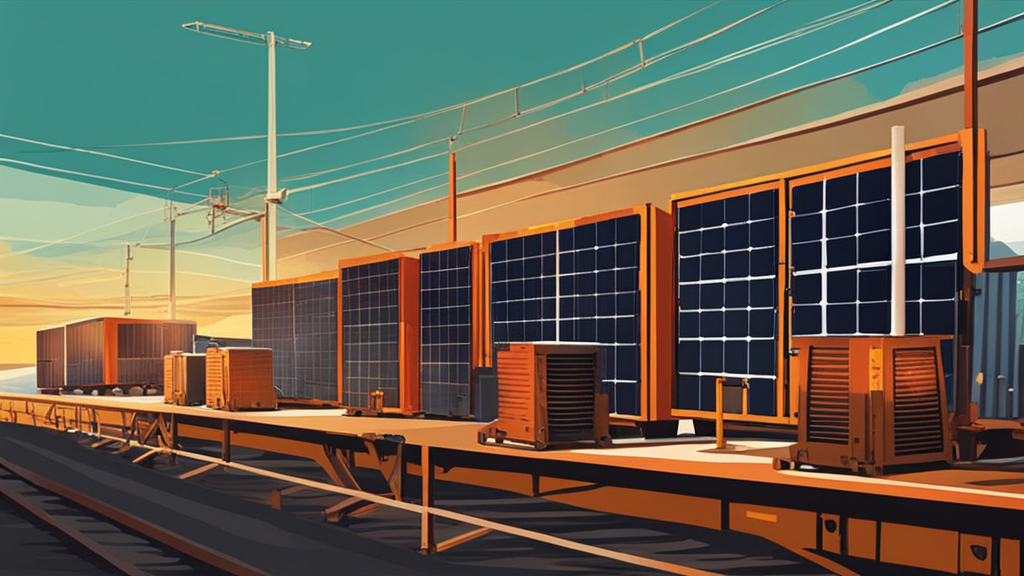
In Guyana, the importation of solar panels, generators, and associated equipment is governed by the Guyana Revenue Authority (GRA). As part of its commitment to promoting renewable energy, the GRA offers specific duty exemptions under the Customs Act and the Value-Added Tax (VAT) Act. These exemptions apply to machinery and equipment used for generating energy from renewable sources, including solar panels, solar lamps, and solar generators.
As of our last update, items such as deep-cycle batteries, solar water heaters, and energy-efficient lighting solutions are also included in this exemption framework. This means that when you import these items, you may not have to pay customs duty or VAT, provided they are correctly classified and presented with the necessary documentation.
Specific Exemptions and Regulations
According to the GRA, machinery and equipment imported specifically for renewable energy utilization are eligible for customs duty and VAT exemptions. However, it is crucial to note that accessories and fittings for these items will only qualify for exemption if they are shipped together with the main equipment. If presented separately, duties and taxes will apply.
For instance, if you are importing solar panels and also include mounting brackets and wiring in the same shipment, these accessories can be exempted from duties. However, if you ship mounting brackets in a different consignment, you must expect to pay the applicable duties and VAT, which stands at 14% in Guyana.
- Understand the duty exemptions for solar equipment under GRA regulations.
- Obtain a Taxpayer Identification Number (TIN) for customs clearance.
- Prepare necessary documents, including commercial invoices and certificates of origin.
- Choose an appropriate shipping method based on urgency and cost.
- Consult local experts to navigate customs processes effectively.
Preparing for Import: Documentation and Registration
Before shipping solar panels or generators to Guyana, familiarize yourself with the necessary documentation and registration requirements. Importing goods into Guyana requires a Taxpayer Identification Number (TIN) from the GRA. This number is essential for customs clearance and can be obtained by registering online or at a GRA office.
Once you have your TIN, you will need to classify your goods under the CARICOM Common External Tariff. This tariff system applies to imports from CARICOM member states and can significantly influence the duty rates. You also need to secure any necessary import licenses through the Ministry of Tourism, Industry and Commerce, particularly for large shipments or specialized equipment.
Documents Required for Shipping
The following documents are typically required for shipping solar panels and generators to Guyana:
- Commercial Invoice: This document serves as a bill for the goods and should detail the items, their value, and any applicable warranty information.
- Packing List: A detailed list of all items included in the shipment, which aids customs in verifying the contents.
- Bill of Lading: Issued by the shipping company, this document confirms the receipt of goods for shipment.
- Certificate of Origin: Required for CARICOM treatment, proving that the goods originated from a member state.
- Any Licenses or Approvals: Include any import licenses or concessions that have been secured prior to shipping.
Shipping Methods and Transit Times
When shipping solar panels and generators to Guyana, you can choose from several methods, each with its own transit times and costs. The most common shipping options include:
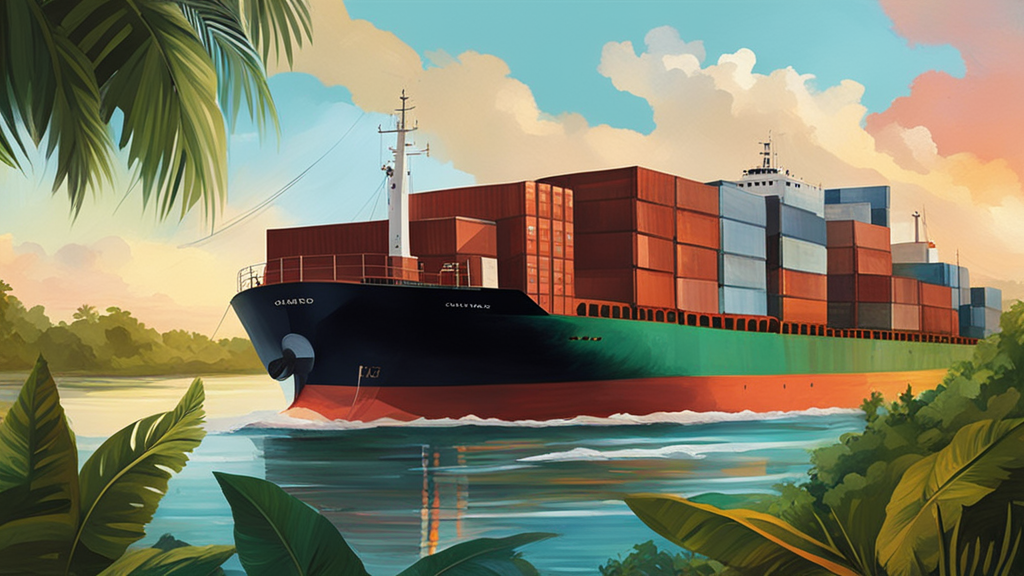
- Ocean Freight: This is the most economical option for large shipments. Less than Container Load (LCL) shipping from Miami to Georgetown takes approximately 9 days. However, Full Container Load (FCL) shipments may take 8 to 14 days depending on the size of the container.
- Air Freight: For urgent shipments of critical components, air freight is available, typically taking 1 to 3 days from major US cities to Cheddi Jagan International Airport (GEO). This option is significantly more expensive but may be necessary for time-sensitive items.
- Breakbulk Shipping: For oversized equipment, breakbulk shipping is an option, but requires careful planning regarding logistics and handling.
Regardless of the shipping method chosen, it’s important to book early, especially during peak seasons when demand for shipping capacity increases. The Port of Georgetown has certain draft limitations, which may affect your choice of shipping method and the size of the vessel that can be used.
Practical Tips for Expatriates
As an expatriate or returning professional, navigating the logistics of shipping solar equipment can be daunting. Here are some practical tips to ease the process:
- Early Registration: Ensure you register with the GRA and obtain your TIN well before your planned shipping date. This will prevent delays during customs clearance.
- Consult Local Experts: Engage with local freight forwarders who are familiar with the Guyanese customs process. They can provide valuable insights and assistance in handling paperwork and logistics.
- Plan for Inventory: Due to potential delays in shipping and customs clearance, consider maintaining an adequate inventory of solar panels and generators to avoid disruptions in your operations.
- Stay Informed: Regularly check for updates from the GRA regarding any changes in customs regulations or additional exemptions that may become available.
Conclusion
Shipping solar panels and generators to Guyana can be a straightforward process if you understand the duty treatment and customs regulations. By taking advantage of the available exemptions, preparing the necessary documentation, and following the recommended shipping practices, expatriates can successfully import renewable energy equipment into the country. This not only contributes to the growing demand for sustainable energy solutions but also aligns with Guyana's commitment to renewable energy development.