Guyana's rich history is deeply intertwined with the historic plantations along the Essequibo River, a significant waterway that has shaped the nation’s identity since colonial times. These plantations, established primarily during Dutch and British colonial rule, played a crucial role in the economic and social fabric of Guyana. In this article, we will explore the legacy of these plantations, their historical significance, and the cultural impacts that resonate in modern Guyanese society.
A Brief History of the Essequibo Plantations
The Essequibo River, the largest river in Guyana, has been central to its historical development. The Dutch established the first plantations in the region as early as the 17th century, particularly in the fertile coastal areas. These plantations were primarily sugarcane farms, which became the backbone of the colonial economy. The Dutch West India Company played a pivotal role in this development by importing enslaved Africans to work the fields, leading to a complex social structure that would influence the region for centuries.
The Dutch Era and Sugar Production
During the Dutch colonial period, sugar was a highly lucrative commodity. The plantations along the Essequibo River expanded rapidly, with sugar production driving the economy. The introduction of sugar refined the social hierarchy, where plantation owners, predominantly European settlers, exercised significant power over the enslaved labor force.
Transition to British Control
In the early 19th century, British forces took control of the Dutch colonies in the region, marking a new chapter in the history of Essequibo plantations. The British continued to expand sugar production but also sought to diversify the economy. They also made efforts to improve the infrastructure, enhancing the transportation of goods along the Essequibo River. This period saw the continued reliance on enslaved labor until the abolition of slavery in 1834, which transformed the labor landscape significantly.
The Impact of Abolition and Indentured Labor
The abolition of slavery led to significant challenges for plantation owners. Many former enslaved persons sought freedom away from the plantations, prompting a labor shortage. To address this, the British turned to indentured laborers from India, China, and other regions. This influx of diverse cultures reshaped the social landscape of Guyana, creating a multicultural society that continues to thrive today.
Cultural Fusion and Legacy
The legacy of these plantations is evident in the cultural practices that have emerged from the melding of various ethnic traditions. The Indo-Guyanese community, for instance, has preserved many aspects of their cultural identity through festivals such as Phagwah (Holi) and Diwali, which celebrate agricultural cycles and the triumph of light over darkness. Similarly, the Afro-Guyanese community commemorates significant historical events to honor their ancestors' struggles and celebrate freedom.
Architectural Heritage
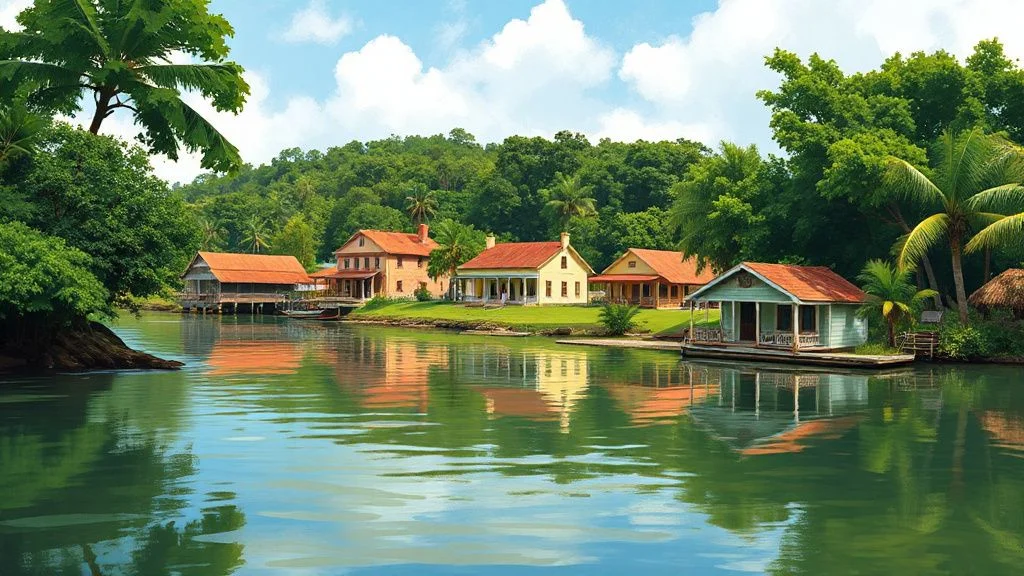
The historic plantations also left a physical legacy in the form of architecture. Many plantation houses from the colonial era still stand, showcasing a blend of European styles and local adaptations. These structures serve as reminders of the past and are often incorporated into modern tourism efforts, highlighting the rich history to expatriates and visitors alike. Some plantations have been transformed into heritage sites, offering tours that provide insights into their historical significance.
Modern-Day Significance of the Plantations
Today, the historic plantations of Essequibo are not just relics of the past; they continue to influence the economic landscape of Guyana. The agricultural practices established during colonial times have evolved, with some plantations now focusing on eco-tourism and sustainable agriculture. This shift helps preserve the historical sites while contributing to the current economy.
Tourism and Education
Tourism centered around the Essequibo plantations has gained traction, attracting visitors interested in both history and culture. Guided tours often include visits to key sites, storytelling about the lives of those who worked on the plantations, and insights into the socio-economic changes that have occurred. This educational aspect enriches the understanding of both locals and expatriates, fostering a greater appreciation for Guyana's diverse heritage.
Community Engagement and Preservation Efforts
Local communities play an essential role in preserving the legacy of these plantations. Organizations and initiatives aimed at heritage conservation work to ensure that the stories and histories connected to these sites are not lost. Engaging the community in restoration projects not only preserves the buildings but also revitalizes local pride and encourages sustainable tourism practices.
Practical Tips for Expats and Visitors
If you are an expatriate or a visitor interested in exploring the historic plantations of Essequibo, here are some practical tips:
- Plan Your Visit: Many plantations offer guided tours, so it is advisable to book in advance. Check local tourism websites for updated information on available tours and events.
- Respect Local Customs: Engaging with local communities is encouraged, but be mindful of cultural practices and traditions. Participating respectfully in local festivals can enhance your experience.
- Explore Nearby Attractions: The Essequibo region is rich in natural beauty. Consider visiting nearby waterfalls, wildlife reserves, and indigenous communities to gain a holistic view of the area.
- Support Local Businesses: When dining or shopping near the plantations, choose local vendors to support the community economically.
Conclusion
The historic plantations of Essequibo hold a significant place in Guyana’s history, reflecting the complexities of colonialism, cultural fusion, and economic evolution. As Guyana continues to grow and modernize, the legacy of these plantations serves as a vital reminder of its past and a foundation for its future. Understanding this legacy not only enriches the experience of expatriates and visitors but also fosters a deeper connection to the diverse and vibrant culture of Guyana.
Primary Sources
Last updated: October 2026