Emancipation Day, celebrated on August 1, marks a pivotal moment in Guyana's history, commemorating the abolition of slavery. This day is not only a time for reflection on the struggles and triumphs of the Afro-Guyanese community but also a vibrant celebration of culture, heritage, and unity. For expatriates and returning diaspora professionals, understanding the significance of this day and how to participate in the festivities can enhance your experience in Guyana. This guide will explore the historical context, cultural practices, events, and practical tips for celebrating Emancipation Day in Guyana.
Historical Context of Emancipation Day
The abolition of slavery in the British colonies, including Guyana, was a significant turning point in the fight for freedom and equality. This day serves as a reminder of the resilience and strength of those who fought for their rights and the ongoing journey towards equality.
Emancipation Day is deeply rooted in the Afro-Guyanese culture, which is characterized by a rich tapestry of traditions, music, dance, and culinary delights. The day is marked by various events that celebrate this heritage, allowing both locals and visitors to engage with the culture and history of Guyana.
Celebration Activities and Events
Parades and Cultural Shows
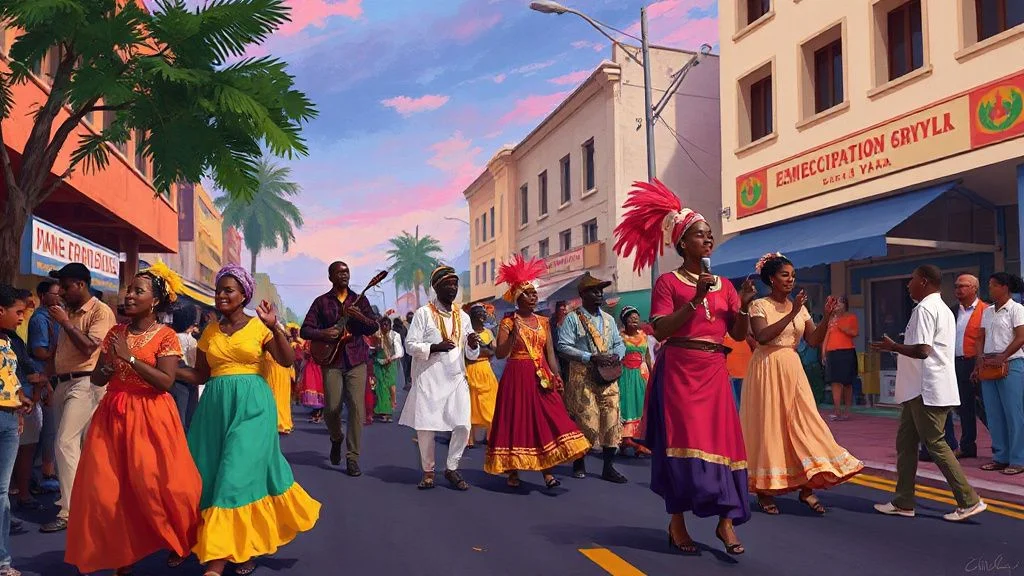
One of the highlights of Emancipation Day celebrations is the vibrant parades that take place in various regions. These parades feature colorful costumes, traditional music, and dance performances that showcase the rich cultural heritage of the Afro-Guyanese community. Participants often dress in traditional garb, reflecting the historical significance of the day.
In the capital city, a central venue often serves as a location for cultural shows, where local artists perform music genres such as calypso, reggae, and folk songs. These performances not only entertain but also educate attendees about the history and struggles of the Afro-Guyanese people. It’s advisable to arrive early to secure a good viewing spot, as these events can attract large crowds.
Food Festivals
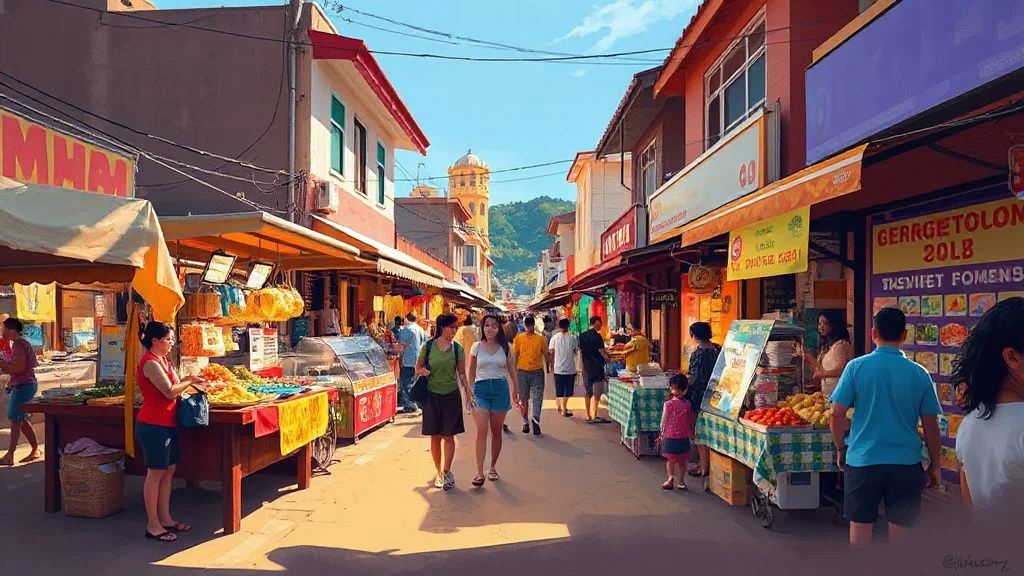
No celebration in Guyana is complete without food, and Emancipation Day is no exception. Various local markets and food stalls pop up during the festivities, offering traditional dishes that reflect the culinary heritage of the Afro-Guyanese community. Local specialties are available, showcasing the unique flavors and ingredients of the region.
For expatriates, trying these local delicacies is a must. Many food vendors also offer samples, allowing you to taste a variety of dishes. Be sure to ask about the ingredients and preparation methods, as this can lead to interesting conversations with the vendors and locals alike.
Community Engagement and Educational Activities
Workshops and Discussions
Emancipation Day is also an opportunity for community engagement and education. Various organizations and cultural institutions often host workshops, discussions, and lectures that delve into the history of slavery, its impact on contemporary society, and the importance of cultural preservation. These events provide a platform for dialogue and reflection, allowing participants to gain a deeper understanding of the significance of the day.
Expatriates are encouraged to participate in these discussions, as they can offer valuable perspectives and foster connections with local communities. Engaging in these educational activities can enhance your appreciation of Guyana’s diverse cultural landscape and promote mutual understanding.
Art Exhibitions
Art is a powerful medium for expressing cultural identity and historical narratives. During Emancipation Day celebrations, local galleries and cultural centers often showcase exhibitions featuring works by Afro-Guyanese artists. These exhibitions may include paintings, sculptures, and mixed media that reflect the themes of freedom, identity, and resilience.
Visiting these exhibitions can provide insight into the contemporary artistic expressions of the Afro-Guyanese community. Many artists are present during the exhibitions, offering explanations of their work and the stories behind them. This interaction can enrich your experience and deepen your understanding of the cultural context.
Practical Tips for Expatriates
Understanding Cultural Etiquette
As an expatriate, it’s essential to approach Emancipation Day with respect and sensitivity. Understanding the cultural significance of the day can help you navigate social interactions and participate meaningfully in the celebrations. Here are some etiquette tips:
- Be Respectful: Emancipation Day is a solemn occasion for many, so it’s important to approach the celebrations with a sense of reverence.
- Engage with Locals: Take the opportunity to speak with local residents about their experiences and perspectives on the day. This can lead to enriching conversations and foster connections.
- Participate Actively: Whether it’s joining in the dances, trying local foods, or attending workshops, active participation shows appreciation for the culture.
- Dress Appropriately: While there is no strict dress code, wearing traditional or culturally inspired attire can demonstrate respect for the occasion.
Planning Your Day
To make the most of Emancipation Day, planning your day in advance is advisable. Here are some tips to help you navigate the celebrations:
- Check Event Schedules: Various events take place throughout the day, so check local listings or community boards for schedules and locations.
- Arrive Early: Popular events, especially parades and cultural shows, can draw large crowds. Arriving early ensures you have a good spot to enjoy the festivities.
- Stay Hydrated: August can be hot and humid in Guyana. Make sure to drink plenty of water throughout the day, especially if you’re participating in outdoor activities.
- Transportation: Consider using local transportation options, such as taxis or minibuses, to navigate between events. Familiarize yourself with the routes and schedules in advance.
Conclusion
Emancipation Day in Guyana is a vibrant celebration of freedom, culture, and community. For expatriates and returning diaspora professionals, participating in the festivities offers a unique opportunity to engage with the rich history and traditions of the Afro-Guyanese community. From parades and cultural shows to food festivals and educational activities, there are numerous ways to immerse yourself in the celebrations. By understanding the historical context, respecting cultural etiquette, and planning your day effectively, you can make the most of this significant occasion. Embrace the spirit of unity and celebration, and enjoy the diverse experiences that Emancipation Day has to offer.