Brazilian migration to Guyana has significantly influenced the country's socio-economic landscape, particularly in the gold sector. This article explores the historical backdrop of this migration, its implications on Guyana's economy, and the cultural interactions between Brazilian migrants and local communities.
Historical Context of Brazilian Migration
The influx of Brazilian migrants into Guyana can be traced back to the late 20th century, primarily driven by political and economic instability in Brazil. Following the end of the civil war in Suriname in the 1990s, many Brazilian gold miners, known as garimpeiros, sought opportunities in neighboring countries. This movement was spurred by the rise of the gold industry in the region, which promised lucrative opportunities for those willing to work in the often challenging conditions of informal mining.
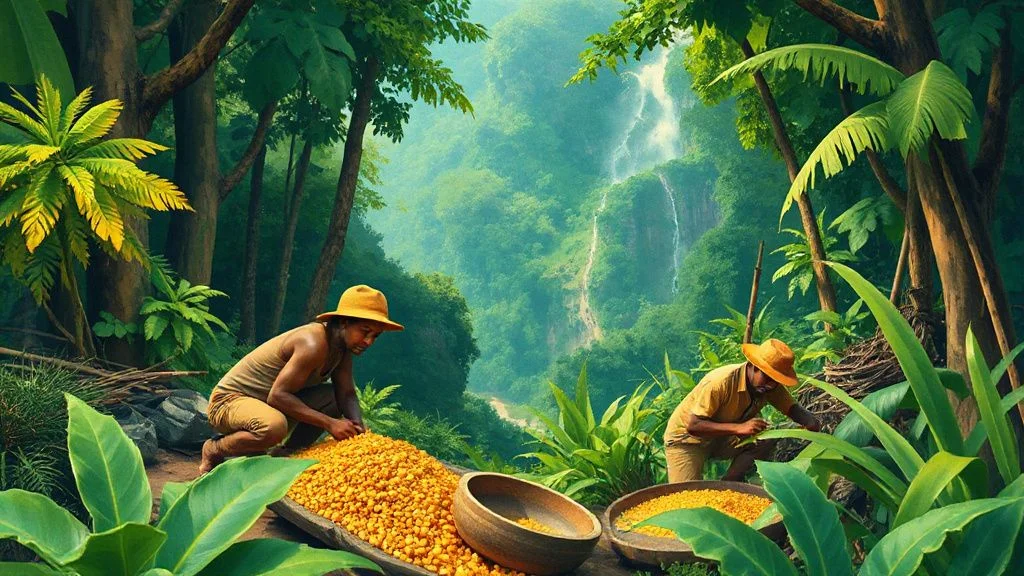
In Guyana, the gold mining sector has been a vital part of the economy, contributing significantly to the national GDP. The Brazilian garimpeiros have played a crucial role in this sector, often working in small, informal groups to extract gold from the country's rich mineral deposits. Their presence has not only contributed to the economy but has also led to increased competition for resources and tensions with local communities.
The Gold Sector in Guyana
Guyana's gold mining sector is primarily divided into two categories: large-scale mining operations and artisanal or small-scale mining, where Brazilian migrants predominantly operate. The country's rich gold reserves are located mainly in the interior regions, which are often remote and less accessible. The government regulates large-scale mining, but informal mining remains largely unregulated, leading to various challenges.
Typically, Brazilian migrants engage in artisanal mining, where they use rudimentary techniques to extract gold. This method often involves the use of toxic chemicals, such as mercury, which poses significant environmental and health risks. The informal nature of this sector means that many operations lack the necessary environmental safeguards, leading to deforestation and pollution of local water sources.
Economic Implications
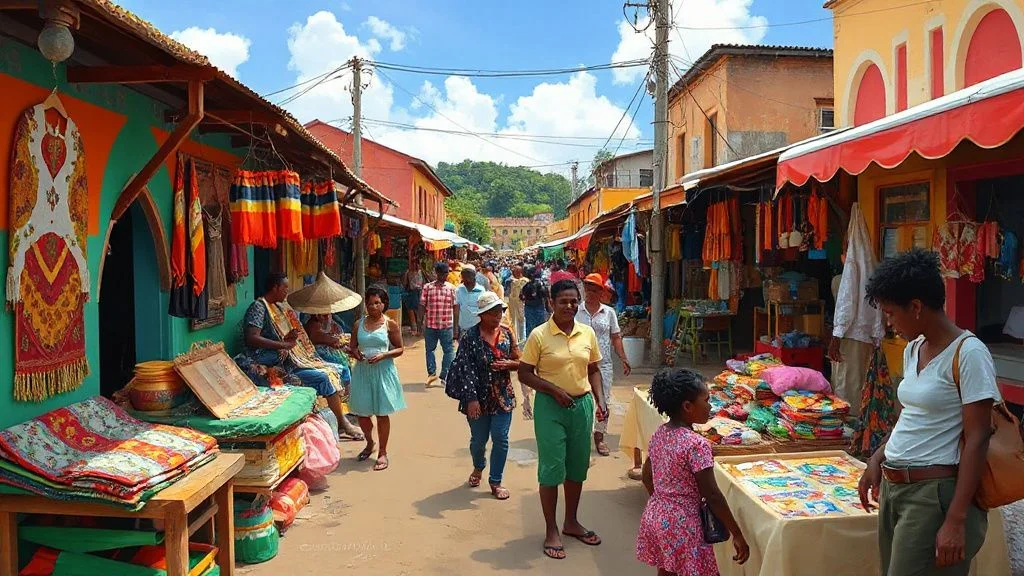
The economic impact of Brazilian migration on Guyana's gold sector is multifaceted. On one hand, the presence of Brazilian miners has contributed to economic activity in remote areas, providing jobs and stimulating local economies. Many local businesses, such as food vendors and service providers, benefit from the influx of miners who spend money in their communities.
On the other hand, the unregulated nature of informal mining has led to conflicts over land use and resource allocation. Local communities often find themselves at odds with Brazilian miners, who may encroach on their ancestral lands or deplete natural resources. There have been instances of violence and disputes, highlighting the need for better governance and conflict resolution mechanisms.
Social and Cultural Interactions
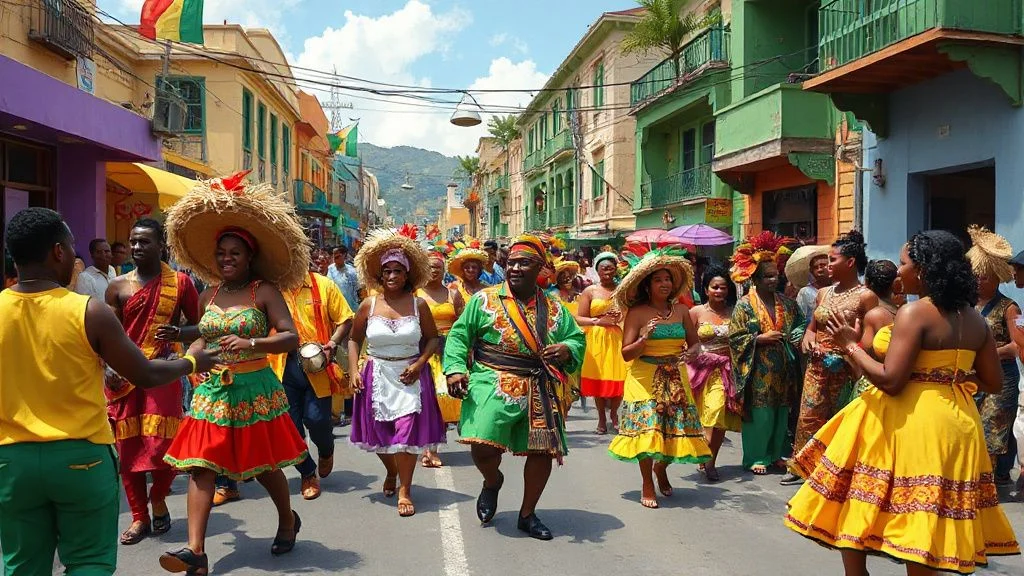
The interaction between Brazilian migrants and local Guyanese communities is complex, shaped by cultural exchanges and economic competition. Many Brazilians bring their cultural practices, cuisine, and social dynamics to Guyana, enriching the local culture. However, this cultural blending is not without its challenges. Language barriers, with Portuguese spoken by many Brazilians and English being the official language in Guyana, can lead to misunderstandings and social friction.
Despite these challenges, there are opportunities for cultural exchange. Local events occasionally showcase the rich traditions of both Brazilian and Guyanese cultures, fostering greater understanding between the two groups. Culinary events featuring traditional Brazilian dishes can be a platform for community bonding.
Environmental and Health Concerns
The gold mining activities conducted by Brazilian garimpeiros have raised significant environmental and health concerns. The use of mercury in gold extraction is particularly alarming, contributing to soil and water contamination, which affects both local communities and wildlife. There are concerns regarding mercury contamination and its effects on fish populations that local communities rely on for food.
Moreover, the deforestation caused by mining activities disrupts local ecosystems and contributes to climate change. As forests are cleared for mining, the loss of biodiversity poses long-term risks to Guyana's environment and the livelihoods of its people. It is imperative for the government and relevant stakeholders to implement stricter regulations and promote sustainable mining practices to mitigate these adverse effects.
Practical Tips for Expats and Returning Diaspora
For expatriates and returning diaspora professionals in Guyana considering involvement in the gold sector, understanding the social dynamics and regulatory environment is crucial. Here are some practical tips:
- Research Local Regulations: Familiarize yourself with the legal framework governing mining in Guyana. Engaging with local authorities can provide insights into compliance requirements.
- Engage with Communities: Building relationships with local communities can facilitate smoother operations. Understanding their needs and concerns can lead to mutually beneficial outcomes.
- Promote Sustainable Practices: Consider investing in eco-friendly mining techniques to minimize environmental impact. This not only benefits the environment but also enhances your reputation within the community.
- Stay Informed: Keep abreast of developments in the mining sector and environmental regulations. This will help you adapt to changes and ensure compliance.
Conclusion
The migration of Brazilians to Guyana and their involvement in the gold sector has profoundly shaped the country's economic landscape, presenting both opportunities and challenges. While they contribute significantly to the economy, the associated environmental and social issues call for a balanced approach to governance and community engagement. Understanding the complexities of this migration allows expatriates and returning diaspora to navigate the gold sector effectively while fostering positive relationships within Guyanese society.