Navigating the intricacies of container storage at Georgetown Wharf is essential for expatriates and returning professionals in Guyana. This article will guide you through the free storage days, the per diem charges that follow, and practical advice to streamline your experience.
Understanding Container Storage Regulations
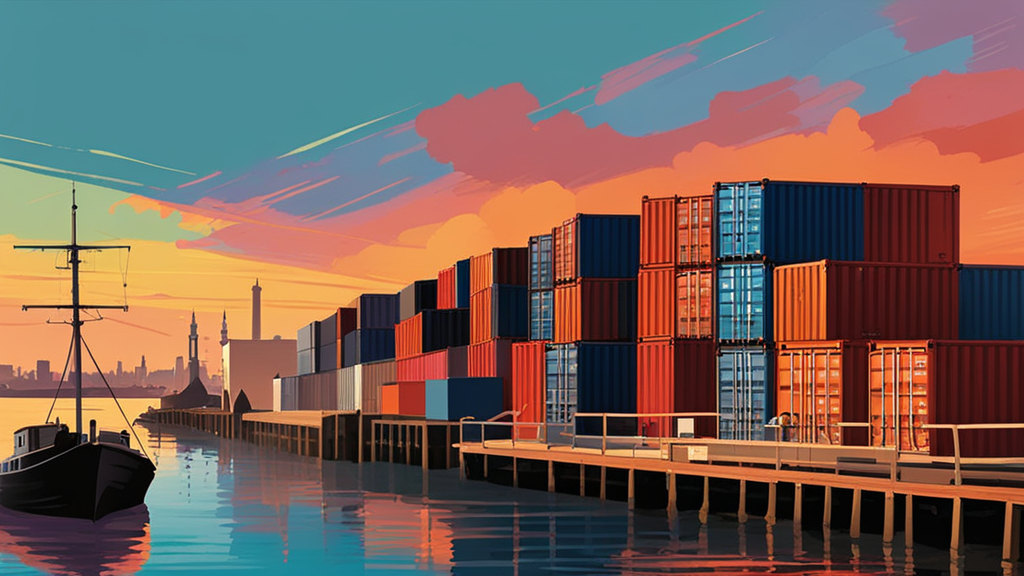
Georgetown Wharf serves as a crucial hub for containerized cargo in Guyana. For expatriates, understanding the regulations surrounding container storage is vital to avoid unexpected costs. When a container arrives at the wharf, it typically comes with a specified period known as "free time." This is the duration during which you can store your container without incurring additional fees.
As of our last update, the free time for container storage at Georgetown Wharf is generally set at 10 calendar days for most standard containers. This timeframe allows shippers to clear customs and arrange for transportation without immediate pressure. After this free period, per diem charges begin to accrue, which can significantly impact your budget if not monitored.
Free Days: What to Expect
During the free days, you will want to ensure that all necessary documentation is in order to avoid delays. Containers must be cleared through customs, and this process can sometimes take longer than anticipated. For example, if your paperwork is incomplete, you may find yourself incurring storage fees sooner than expected.
For those accustomed to shipping in North America or the UK, it's worth noting that the free days in Guyana may be shorter than what you're used to. In the U.S., for instance, ports often provide 5 to 14 days of free storage, depending on the type of cargo. In contrast, the 10-day window at Georgetown Wharf requires diligent follow-up to ensure timely clearance.
Per Diem Charges Explained
Once the free period expires, per diem charges apply, which are calculated on a daily basis. Typically, you may see charges starting at approximately $60 USD per day for a 20-foot container and $80 USD per day for a 40-foot container. These charges can escalate quickly, leading to significant expenses if the container remains on the wharf longer than necessary.
For example, if you have a 40-foot container and it stays an additional 10 days past the free time, you could incur around $800 USD in storage fees. This financial impact is crucial to factor into your relocation budget. Therefore, proactive communication with your shipping company and customs officials can help mitigate these costs.
Factors Influencing Storage Duration
A variety of factors can influence how long your container might remain at the wharf. Delays in customs clearance are often the main culprit. If your shipment contains items that require special permits or inspections, this can further extend the time it takes for clearance. Local customs officers may also hold containers for inspections, which can add to the timeline.
Additionally, if your shipment is delayed in transit, this could lead to unforeseen storage charges once it arrives. It's advisable to stay in contact with your shipping agent and customs broker to ensure you are aware of any potential issues that could extend your storage time.
Managing Your Container Efficiently
To effectively manage your container storage at Georgetown Wharf, consider the following steps:
- Prepare Documentation Early: Ensure you have all necessary paperwork, including customs declarations and import permits. Delays due to incomplete documentation can lead to additional charges.
- Stay Informed: Regularly communicate with your shipping company and customs agents. This helps you stay updated on the status of your container and any potential issues that may arise.
- Plan for Transportation: Arrange for the transportation of your container as soon as it arrives. Coordinate with local logistics companies to ensure prompt pickup.
Finding Local Logistics Services
Once your container is cleared, you will need to transport it to your desired location. Several local logistics companies specialize in moving containers from the wharf to various destinations in Guyana. It's advisable to get quotes from multiple service providers to ensure competitive pricing. You may find that some companies offer additional services, such as unloading and storage at their facilities, which can be beneficial if you need extra time to organize your belongings after arrival.
Expats often recommend visiting local logistics hubs in Georgetown to familiarize yourself with available options. This can also provide you with insights into the most reliable companies in the area, based on personal experiences.
What Expats Should Know
Relocating to Guyana involves cultural adjustments that can impact your container storage experience. For instance, local customs may differ significantly from what you are used to in the U.S., UK, or Canada. Building relationships with local customs officials and logistics providers can often lead to smoother experiences and more manageable costs.
Additionally, be prepared for the slower pace of operations. In some cases, what might take days in North America can take weeks in Guyana. Patience and persistence are key. Engaging with local expat communities can provide valuable tips and resources to navigate these challenges more effectively.
Adapting to Local Practices
Understanding the local context also helps in managing expectations. For instance, the electrical supply in Guyana operates at 240 V, so ensure that any electrical equipment you bring is compatible. This is a common oversight for many expatriates who may assume the voltage is similar to that in their home countries.
Furthermore, consider the time zone differences and local holidays when planning your logistics. Georgetown operates on UTC-4, and local public holidays can affect business operations, including shipping and customs clearance. Awareness of these factors can help you better navigate the logistical landscape.
Conclusion
In summary, understanding container storage at Georgetown Wharf is crucial for expatriates and returning professionals in Guyana. By familiarizing yourself with the free days, per diem charges, and local logistics options, you can avoid unnecessary costs and ensure a smoother relocation process. Proactive communication, timely documentation, and a willingness to adapt to local customs will serve you well as you settle into your new life in Guyana.
Primary Sources
Last updated: October 2026