Returning to Guyana after decades abroad can be both exciting and overwhelming. As you prepare for this significant life change, understanding the local culture, economy, and practicalities of daily life will help you transition smoothly. This article provides essential insights and actionable advice for returning Guyanese, focusing on what to expect, how to adapt, and tips for making the most of your return.
Understanding the Cultural Landscape
Adapting to Local Nuances
One of the most noticeable changes you will encounter upon returning is the evolving cultural landscape. While you may have fond memories of your childhood in Guyana, the country has undergone significant developments in social norms, values, and lifestyle.
Engaging with locals may require a shift in perspective. Many returning Guyanese find that their experiences abroad can lead to a disconnect with the everyday realities faced by those who have remained in Guyana. For instance, the concept of "time" is often more fluid in Guyana, with punctuality viewed differently than in North America or the UK. Embrace this cultural difference by practicing patience and flexibility in your daily interactions.
Exploring the Vibrant Community
Georgetown, the capital city, offers a rich cultural tapestry and a variety of neighborhoods that reflect the diverse backgrounds of its residents. Areas like Queenstown and Campbellville are popular among returning expatriates due to their modern amenities and proximity to essential services. Familiarize yourself with local customs and engage in community events to reconnect with your roots and establish new friendships.
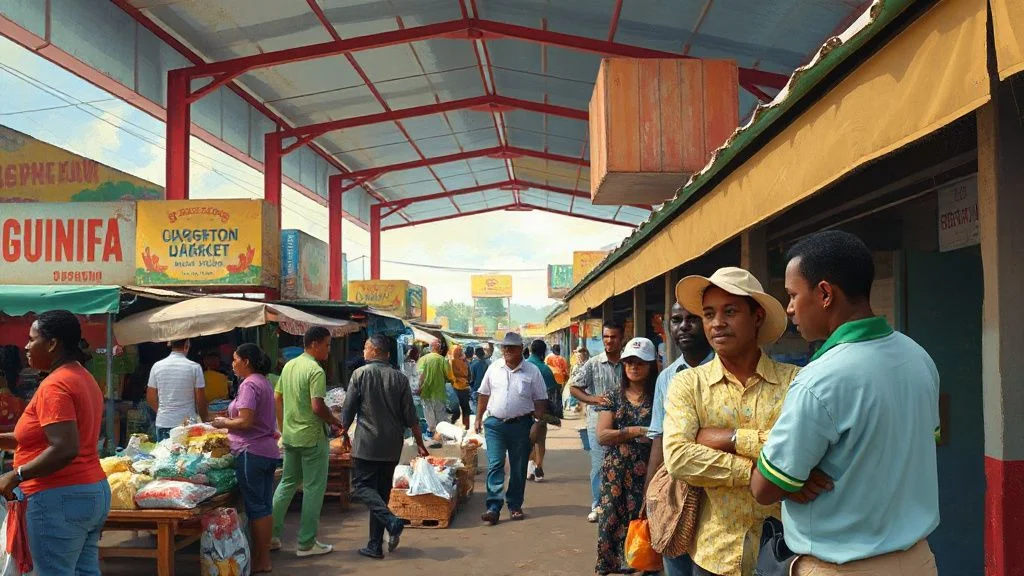
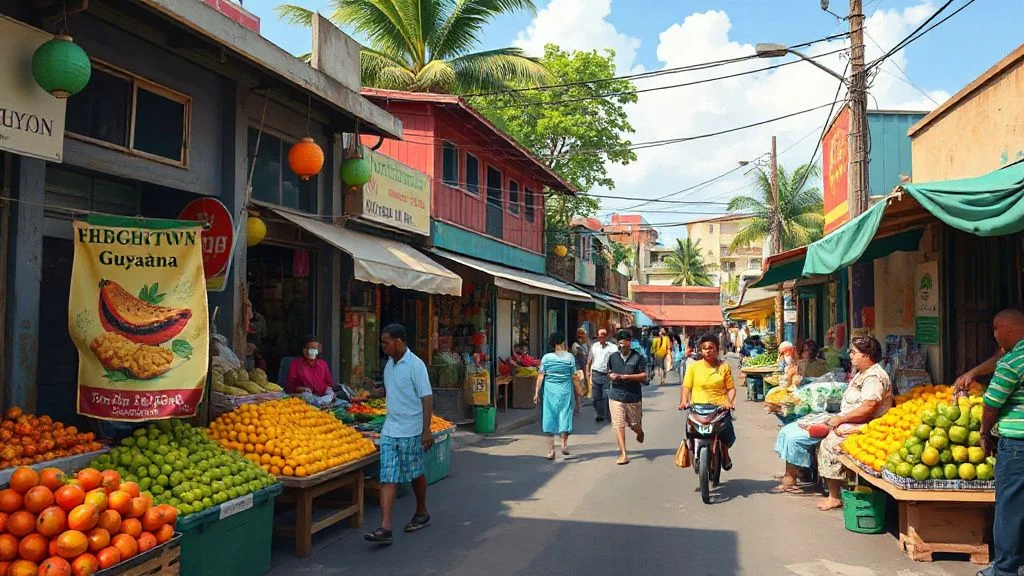
Additionally, local markets such as Stabroek Market provide a vibrant atmosphere to experience the flavors and colors of Guyanese culture. Here, you can find fresh produce, local crafts, and traditional foods, making it an excellent place to immerse yourself in the community.
The Cost of Living: What to Expect
Adjusting Your Budget
Returning to Guyana after years abroad, many expatriates are surprised to find that the cost of living has increased significantly. Rent, food, and services can be comparable to or even exceed prices in North America. To prepare for this financial adjustment, create a detailed budget that accounts for housing, utilities, groceries, and transportation. Understanding that prices for imported goods may be higher due to tariffs and shipping costs will help you make informed purchasing decisions. Embrace local products and markets to stretch your budget further while supporting local businesses.
Staying Financially Savvy
Consider exploring various banking options available in Guyana. Local banks often provide services tailored to returning nationals, such as favorable interest rates and loans for home purchases or business ventures. Additionally, familiarize yourself with the Guyanese tax system, as it may differ significantly from what you are accustomed to abroad. Seek advice from financial advisors or local experts to navigate the complexities of re-establishing your financial footing.
Employment Opportunities: Navigating the Job Market
Understanding the Job Landscape
Guyana's economy is experiencing rapid growth, primarily driven by the oil and gas sector. While this presents various opportunities, returnees should approach the job market with realistic expectations. Many positions may require local qualifications or certifications, which can create barriers for returning nationals.
Networking is crucial for finding employment opportunities. Attend local job fairs, industry conferences, and community events to connect with potential employers and fellow professionals. Leverage online platforms and Guyanese expatriate groups to learn about job openings and industry trends. Taking the time to build relationships and establish a professional network will enhance your chances of securing a fulfilling position.
Re-qualifying for Local Credentials
If your profession requires specific certifications or licenses in Guyana, be prepared to invest time in obtaining these qualifications. Research the necessary steps to re-register or re-qualify in your field. Many returning professionals find that local universities and training institutes offer courses designed to help expatriates bridge any gaps in knowledge and meet local requirements.
Housing and Settling In
Navigating the Housing Market
Finding suitable housing can be challenging, especially for those unfamiliar with the current market. Guyana has a government house lot program that allows citizens aged 21 and older to apply for land or homes. However, the process can be lengthy. If you need immediate housing, consider renting before committing to a purchase.
Engage with local real estate agents or online property listings to explore available options. Be prepared for varying conditions of properties, as some may require renovations. Researching neighborhoods and visiting potential homes before making a decision can help you find a suitable living environment.
Understanding Utility Connections
When settling into a new home, connecting utilities such as electricity and water can be a time-consuming process. It's essential to be patient and prepared for potential delays. Ensure you have all necessary documents, including proof of ownership or lease agreements, to facilitate the connection process. Familiarize yourself with local service providers and their requirements for establishing accounts.
Practical Tips: What Expats Should Know
Healthcare and Insurance
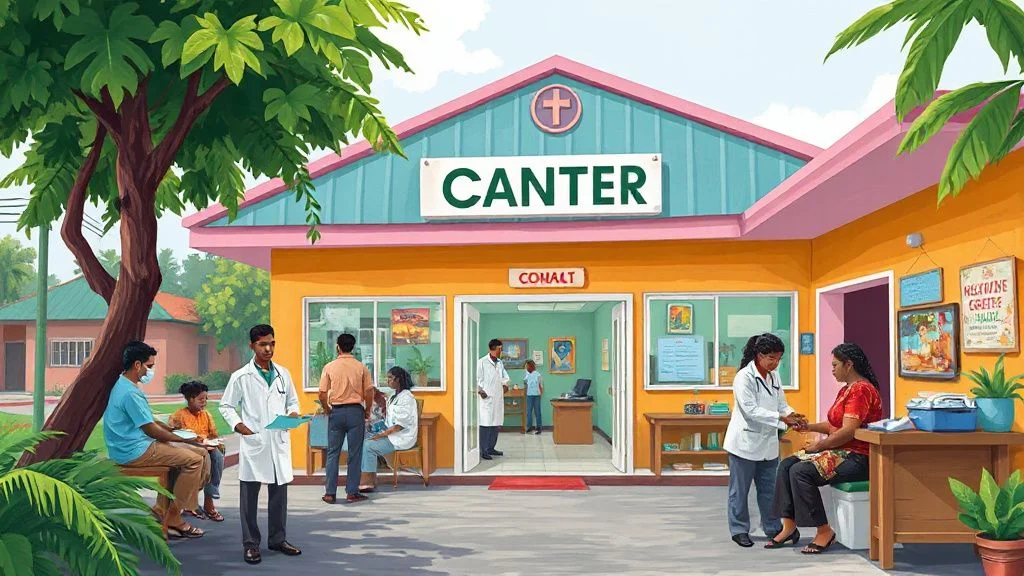
Returning to Guyana may require you to reassess your healthcare options. Familiarize yourself with the local healthcare system and consider obtaining health insurance that covers both public and private services. While public healthcare is available, many expatriates prefer private clinics that offer more comprehensive services.
Research local healthcare providers and their reputations. Having a primary care physician can help you adjust to the healthcare system and ensure you receive the necessary care when needed.
Transportation and Mobility
Driving in Guyana is on the left side of the road, which may take some getting used to if you are accustomed to driving on the right. Ensure your vehicle complies with local regulations; you may need to register your vehicle with the relevant authorities. Public transportation options, including minibuses and taxis, are available, but be prepared for varying levels of service and comfort. Using ride-hailing apps can also provide an alternative for commuting within urban areas.
Conclusion
Returning to Guyana after years abroad presents unique challenges and opportunities. By understanding the cultural landscape, adjusting your budget, navigating the job market, and familiarizing yourself with local practices, you can create a fulfilling life back home. Embrace the changes, engage with your community, and remain open to learning as you reconnect with your roots. Your journey back to Guyana can be a rewarding experience that allows you to blend your international experiences with the rich tapestry of your homeland.
SOURCES: [Source 1 — https://www.grandcoastal.com/post/returning-home-to-guyana] [< Go Back](#) # Returning Home to Guyana? 8 Things Locals Won't Tell You  Written by: Nicola P. Industry Consultant Published: 29 Sep 25 For many in the Guyanese diaspora (Guyanese living abroad), the dream of returning home has become increasingly appealing in recent years. The older folks want to retire in the warmth, the “entrepreneurs” want to start a business here to benefit from the growing economy, and some just want a new start. With the rapid transformation of Guyana’s economy and infrastructure, especially in the wake of the oil boom, more Guyanese abroad are asking: “Is now the right time to come back?” Life at home has changed, and returning successfully requires more than what you may have thought about when you left. You need to be open to change, willingness to learn, realization that Guyana was not “left behind”, and awareness to the local realities on the ground – especially the reality of coming back to Guyanese people who have lived here all of their lives. If you’re considering returning, here are the Top 10 things you need to know about Guyanese living at home—so you can reconnect, contribute, and thrive. ## **1. Spot the Comparison as Soon as You Come Off The Plane** The biggest disconnect I’ve seen between the diaspora and locals is the constant comparison of life in Guyana to life abroad. Yes, things work differently and there are many pros and cons to both sides, but locals are not just “behind” or “doing it wrong.” What you should do is approach conversations with humility and respect. There any many things Guyana can do better, and some many things the United States or Canada can do better. There are also many things each of them can and have done worse. So ease of off the comparison right off the bat and be more open minded to learn.  Yes, our airports no longer drop you on the tarmac. ## **2. The Cost of Living is Higher than You Remember** Returning after 10, 20, or 30 years can feel like stepping into a familiar place - but everything is slightly different. Many coming home are surprised to find that Guyana is not as cheap as it used to be. The cost of rent, food, construction materials, and services has increased, especially in Georgetown. Make sure you come with realistic expectations, and money. Some goods and services can cost the same here or even more than in America. ## **3. Opportunities are Growing—but Not Always for You** Yes, Guyana’s economy is booming, and there are new business and employment opportunities. And while most can be supportive or accommodating of overseas Guyanese, most of these opportunities are geared toward locals with relevant certifications. A piece of advice, come first to learn and see how you can fit in. Then plan and know that it will require you to network, apply for certificates/licenses, and work in a competitive market. Don’t expect to walk into a senior role or receive contracts simply because you have international experience. Many local Guyanese also have international degrees and experience as well, myself included. ## **4. Bureaucracy Can Be Frustrating** Whether you're trying to register a business, apply for land, clear goods at the port, or get utilities connected, prepare for not finding out everything online and delays. Many processes are still paper-based, and navigating some spaces requires patience and persistence. There has been progress in many areas, but some still need to be made. Know that you will not get any special favor because you are a returning Guyanese or an American “Guyanese” who has a US-based passport. To navigate, you need to learn the process, build relationships, hire local experts, and avoid complaining unnecessarily.  A Guyanese citizen who is eighteen (18) years and above, who has been residing legally overseas for a minimum of five (5) consecutive years and is now returning to Guyana. (b) A Guyanese graduate who has completed their studies at an institution abroad and resided overseas for a minimum of three (3) years and is now returning to Guyana. Where applications for re-migration status should be made? Applications must be submitted in person to the Re-migration Officer at the Ministry of Foreign Affairs & International Cooperation, 254 South Road & Shiv Chanderpaul Drive Georgetown (Takuba Lodge). The Re-migration Unit can be contacted on telephone number: (592) 226-1606- 8 ext. 339/367/340/219; or email: [email protected] When should applications be submitted? Applications must be submitted within the first six (6) months of re-assuming residence in Guyana. i.e. within six months of your last date of entry. What are the documents that must accompany the application? 1. Proof of Guyanese citizenship. 2. A current Passport which must be at least five years old. If the passport is less than five (5) years old, then a previous passport must be submitted. 3. In the case of students who are returning, evidence from the university, college or educational institution confirming the duration of the course of study or time spent at the institution. 4. Documentary evidence of how the potential re-migrant intends to earn a livelihood in Guyana to re-establish permanent stay. 5. Travel Records from the Central Immigration Passport Office. 6. A Statutory Declaration, which must be sworn by a Justice of Peace or Commissioner of Oaths to Affidavits in Guyana and which must include the following: a. That the items for which exemptions are sought are for personal and domestic use and not for sale or exchange. b. Whether the re-migrant has previously enjoyed tax exemptions. c. The model, year and the engine capacity of the vehicle for which exemptions are being sought. Please note that applicants are no longer required to own a motor vehicle for at least six (6) months prior to returning, in fact, re-migrants have the option of importing a new vehicle or purchasing a motor vehicle in Guyana and will still be eligible for tax exemptions. All relevant documents evidencing ownership (where applicable) or the quotation must be supplied. d. That the re-migrant shall reside in Guyana for one hundred and eighty-three (183) days per year for three (3) consecutive years if the vehicle is older than four (4) years or five (5) consecutive years if the vehicle is under four (4) years, failing which exemptions granted become immediately payable in accordance with the provisions of the Customs Act, Cap. 82:01. e. A list of items for which exemptions are sought must be attached to the statutory declaration. 7. Two passport size photographs. What are the exemptions given? For information on the relevant tax exemptions, please visit the Guyana Revenue Authority’s Website at: https://www.gra.gov.gy/ Conditions that must be satisfied where exemptions are granted: • The re-migrant must reside in Guyana for one hundred and eight-three (183) days per year for three (3) consecutive years if the vehicle is older than four (4) years or five (5) consecutive years if the vehicle is under four (4) years, failing which exemptions granted become immediately payable in accordance with the provisions of the Customs Act. • During the three or five year period, the re-migrant can [Source 3 — https://guyanaembassydc.org/remigration] [Skip to content](#content_start) [](https://guyanaembassydc.org/) Quick Links: * [Facebook](https://www.facebook.com/mfaguyana) * [Twitter](https://www.facebook.com/mfaguyana) * [Instagram](https://www.facebook.com/mfaguyana) * Open Search Window  [Home](https://guyanaembassydc.org/) Remigration # Remmigration ## The Ministry of Foreign Affairs and International Cooperation administers the Re-migrant Scheme in conjunction with the Guyana Revenue Authority. Applications for ‘re-migrant status’ are submitted to the Re-migration Unit of the Ministry and are assessed for eligibility in keeping with the Laws of Guyana. The Guyana Revenue Authority determines the tax exemptions to be granted to qualifying re-migrants. Objectives of the Re-migration Unit: * To provide assistance to citizens who are interested in re-migrating to Guyana. * To facilitate the reintegration of returning Guyanese and utilisation of their skills and resources. * To provide strategic direction for efficient re-migration management and engage government institutions and other agencies on issues affecting re-migrants. * To encourage orderly and regular re-migration, through the provision of timely and adequate information to overseas Missions or Consulates where prospective re-migrants may visit. ## Remmigration Guidelines ## List of Required Documents ## Remigrant Application Form Comments are closed. [](https://guyanaembassydc.org/) #### Embassy Of The Cooperative Republic Of Guyana 2490 Tracey Pl NW • Washington, DC 20008 Phone: +1 202-265-6900 • Fax: +1 202-232-1297 Monday – Friday, 10:00 am – 3:00 pm for Consular matters. ### Quick Forms * Passport Application * Remigrant Application ### Useful Links * Holidays * Gallery * Foreign Affairs ### Quick Links * Contact Us * Upcoming Events * Embassy News * [Facebook](https://www.facebook.com/mfaguyana) * [Twitter](https://www.facebook.com/mfaguyana) * [Instagram](https://www.facebook.com/mfaguyana) * Open Search Window Copyright © 2023 - Embassy Of The Cooperative Republic of Guyana - Washington DC - Site Designed by Intacs.comPrimary Sources
Last updated: October 2026