For expatriates considering a move to Guyana or those already living in the vibrant capital of Georgetown, understanding the local healthcare system is crucial. This article delves into the regional health services in Guyana, exploring how health centres operate and what you can expect as a patient or service user. From public offerings to private care nuances, this guide provides essential insights for navigating Guyana's healthcare landscape.
Overview of Healthcare in Guyana
Guyana's healthcare system operates on a dual model comprising both public and private sectors. Public healthcare is provided through government-funded institutions, while private facilities cater to those who can afford it. The country has made strides in improving healthcare access and quality, but challenges remain, particularly in rural areas.
Every citizen and resident has the right to access public healthcare services, which include preventive care, treatment for acute and chronic illnesses, and maternal and child health services. However, the quality of these services can vary significantly. While specific per-capita healthcare expenditure figures are not provided, it is noted that healthcare spending in Guyana is modest compared to many Western nations.
How Health Centres Are Structured
Public Health Facilities
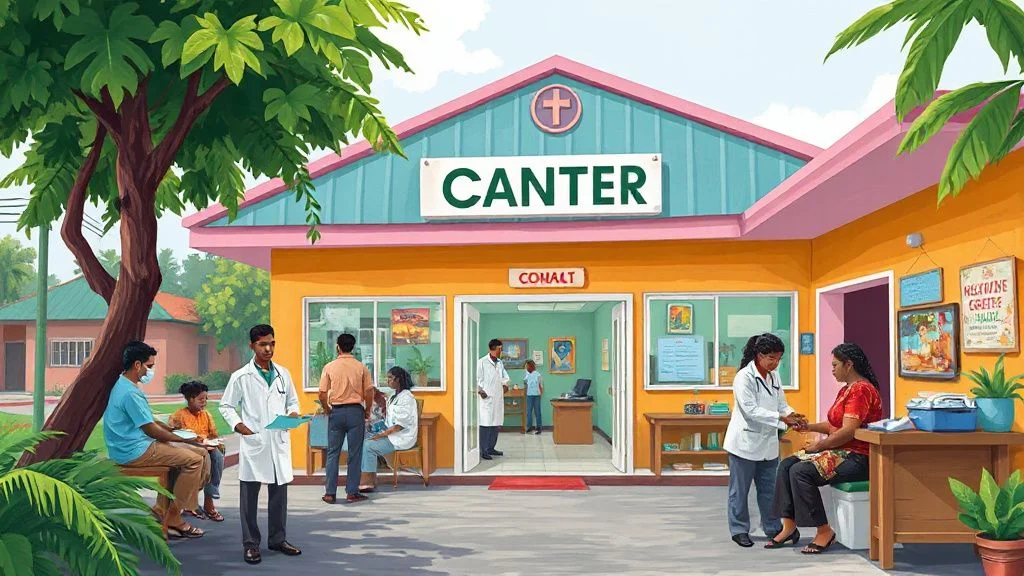
Health centres in Guyana are primarily managed by the Ministry of Health. These facilities serve as the first point of contact for individuals seeking medical attention. There are two main types of public health facilities: health posts and health centres. Health posts are typically located in remote areas and offer basic health services, while health centres provide a broader range of services, including outpatient care, maternal health services, immunizations, and health education.
Each health centre is staffed by a mix of healthcare professionals, including doctors, nurses, and community health workers. Despite their vital role, many of these facilities face challenges such as outdated medical equipment and a shortage of staff, particularly in rural areas. For instance, patients in rural regions might wait longer for appointments and may have limited access to specialized care, which is often available only in urban centres like Georgetown.
Services Offered at Health Centres
Health centres provide a variety of services that cater to the community's needs. These include:
- Primary Care: General health assessments, treatment for common illnesses, and management of chronic conditions.
- Maternal and Child Health: Prenatal care, childbirth services, and postnatal care for mothers and infants.
- Immunization Programs: Vaccination services for children and adults to prevent common infectious diseases.
- Health Education: Workshops and information sessions on nutrition, disease prevention, and healthy living.
While services are free at public health centres, certain treatments or medications may incur costs. For example, more complex procedures such as surgeries may not be covered, and patients are often referred to larger hospitals for such care.
The Private Healthcare Sector
Many expatriates opt for private healthcare services due to the perceived higher quality and shorter wait times. Private clinics and hospitals in Georgetown offer comprehensive care, including specialized treatments and advanced diagnostic services. These facilities cater to those seeking better healthcare experiences.
Private healthcare costs can vary widely, so it's advisable to verify specific prices before receiving treatment. While exact pricing for services isn't readily available, it is common for expatriates to seek private care or travel abroad for medical services, often utilizing health insurance that covers these costs. Having international health insurance is recommended to avoid unexpected out-of-pocket expenses.
Cultural Nuances in Healthcare
Understanding the cultural context of healthcare in Guyana can help expatriates navigate the system more effectively. For instance, punctuality is valued in medical appointments, and arriving late can result in missed opportunities for care. Additionally, interpersonal communication is vital; healthcare professionals often expect open dialogue with patients regarding symptoms and concerns.
Moreover, traditional medicine still plays a role in Guyanese culture. Many locals may seek herbal remedies or consult traditional healers before or alongside conventional medical care. Acknowledging this practice can help expatriates understand their neighbors' healthcare choices and foster respect for diverse health beliefs.
What Expats Should Know
Practical Tips for Accessing Healthcare
As you settle into life in Guyana, here are some practical tips for accessing healthcare services:
- Learn the Locations: Familiarize yourself with the nearest health centre and private hospitals. Knowing where to go in advance can save time during emergencies.
- Carry Important Documents: Always carry your identification and health insurance cards when visiting healthcare facilities.
- Seek Recommendations: Connect with other expatriates or locals for recommendations on reliable healthcare providers and facilities.
- Utilize Health Insurance: Ensure your health insurance covers services in Guyana and understand the claims process. International health insurance can offer peace of mind.
Emergency Services
In case of emergencies, it’s essential to know how to access services quickly. Emergency medical services (EMS) can be contacted via local emergency numbers. However, response times can vary, especially in remote areas, so it may be prudent to have a plan for transportation to a hospital if needed.
Conclusion
Guyana’s healthcare system presents both opportunities and challenges. While public health centres provide essential services, expatriates often find that private healthcare offers a more comfortable experience. Understanding the structure, services, and cultural nuances of the healthcare system can significantly aid in navigating medical needs in this diverse country. With proper preparation and knowledge, you can ensure a healthier lifestyle while enjoying your time in Guyana.