Relocating to Georgetown, Guyana, can be an exciting adventure, especially for expatriates eager to engage with the burgeoning oil-and-gas-driven economy. However, potential homebuyers must be vigilant about various factors, particularly flooding risks. Understanding the geography, local climate, and real estate market nuances is essential for making a wise investment. This article offers a comprehensive guide to buying a house in Georgetown, emphasizing areas to avoid due to flood risks and practical tips for expatriates.
Understanding the Flood Risk in Georgetown
Georgetown is situated at a low elevation, making it particularly vulnerable to flooding, especially during the rainy season, which typically lasts from May to August. The city is crisscrossed by a network of canals and drainage systems designed to manage water flow, but heavy rains can overwhelm these systems, leading to localized flooding.
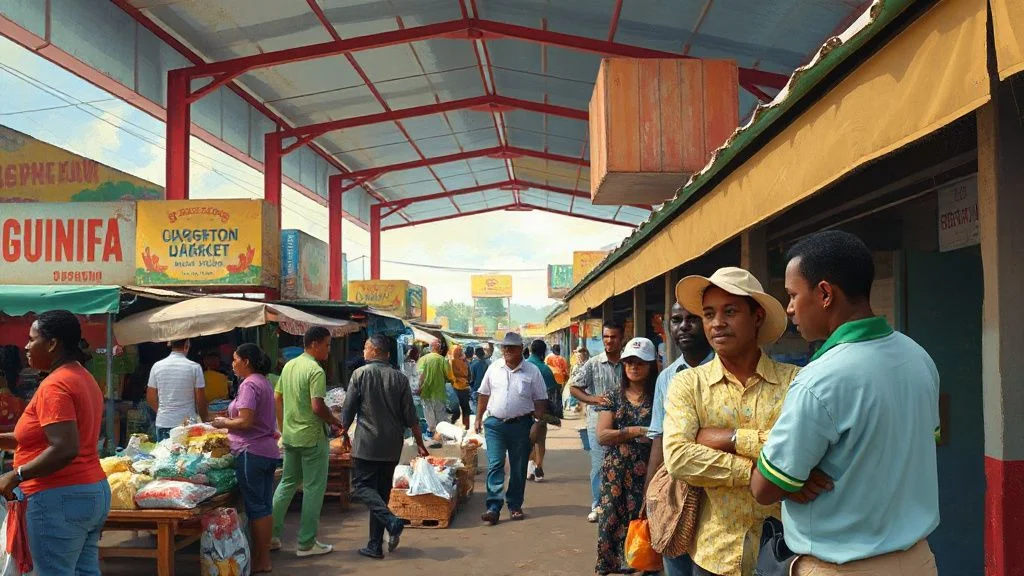
According to studies, many neighborhoods in Georgetown are prone to flooding, especially those along the coast and in the city center. Areas near the Demerara River and in the vicinity of the Stabroek Market are particularly susceptible. A firsthand account from expats living in these areas reveals that flooding can disrupt daily life, leading to damaged property and significant inconvenience.
Identifying High-Risk Areas
When considering where to purchase a home, it is crucial to avoid neighborhoods with a history of flooding. Areas like Alberttown and parts of the city center are known for their drainage challenges. Homes in these regions may experience water intrusion during heavy rains, which can lead to costly repairs and a decline in property value.
Instead, neighborhoods like Happy Acres and Demerara Estates are often recommended for their better drainage systems and elevated locations. These areas not only provide some protection against flooding but also offer a more family-friendly environment, with parks and recreational facilities nearby.
Practical Considerations for Expats
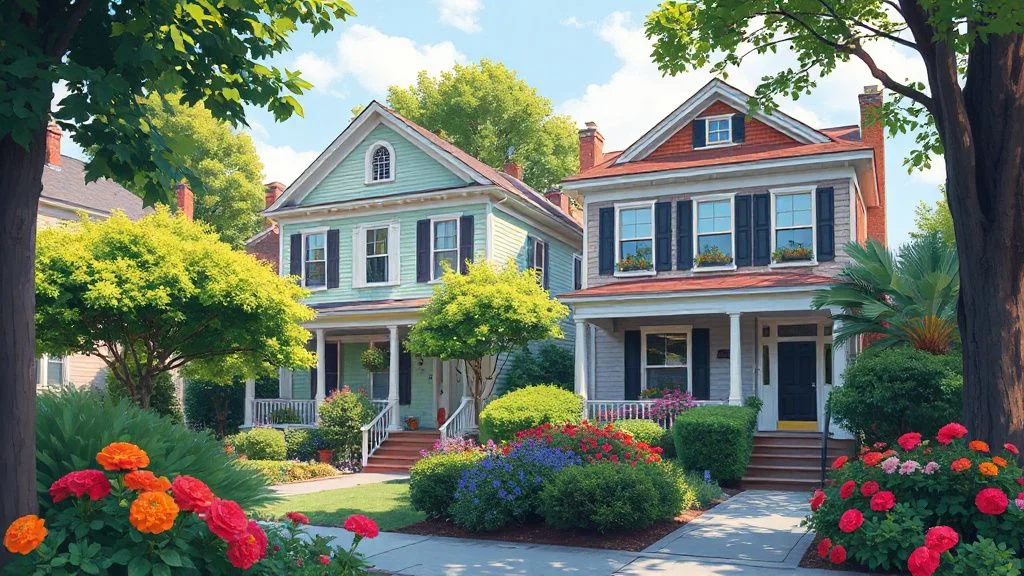
As an expat, navigating the housing market in Georgetown can be daunting. It’s important to familiarize yourself with local customs and potential challenges. For instance, house layouts may differ from what you are accustomed to in the US, Canada, or the UK. Many homes are two-story structures with bedrooms located on the upper levels, which is a design choice that aims to reduce the risk of flood damage. This layout should be a consideration when selecting a property.
Additionally, the lack of zoning regulations in Georgetown means that residential homes can be located next to commercial enterprises, which may affect your living experience. Ensure you visit potential neighborhoods at different times of the day to gauge noise levels and traffic conditions. This will help you assess whether the area suits your lifestyle.
Commute and Accessibility
Commute times in Georgetown can vary significantly based on traffic patterns. Living closer to the city center generally results in shorter commutes, typically around 15-20 minutes to major employment centers. However, if you choose to live further out in less flood-prone areas, expect commute times to increase to 30-45 minutes, particularly during peak hours.
For expatriates working in the oil and gas industry, understanding the layout of the city and the location of your workplace is essential. Many expats report that neighborhoods like Lamaha Gardens and the areas along the coastal highway offer a balance of residential comfort and reasonable commuting times.
Legal and Financial Considerations
Understanding the legal framework for buying property in Guyana is vital for expatriates. Foreign nationals can purchase property, but it's advisable to engage a local real estate agent who is familiar with the market. They can guide you through the process and help you avoid potential pitfalls, especially concerning flood-prone areas.
Financing options may differ from what you are used to in North America or the UK. While some banks offer mortgages to expatriates, interest rates can be higher than in your home country. It’s wise to compare various financial institutions and seek advice from other expats who have gone through the process.
Home Inspections and Insurance
Before finalizing your purchase, insist on a thorough home inspection. This should specifically include an assessment of the property’s flood resilience. Experts can help identify potential vulnerabilities, such as inadequate drainage systems or signs of previous water damage.
Moreover, consider obtaining flood insurance, which can provide additional security against potential losses. While this may increase your initial costs, it can save you significant financial headaches in the long run. Be sure to discuss insurance options with local providers to find a policy that suits your needs.
What Expats Should Know
Aside from the practical aspects of buying a home, adapting to life in Georgetown involves embracing the local culture and customs. Engage with your neighbors and join community activities to build a support network. Many expats find that participating in local events and groups helps ease the transition and fosters a sense of belonging.
Guyanese culture is rich and diverse, and understanding local customs can enhance your experience. For instance, the concept of "liming," or socializing, is prevalent, and you'll often find opportunities to join friends for gatherings. Learning a few phrases in the local dialect can also go a long way in building rapport with residents.
Building a Support Network
Connecting with other expatriates can provide valuable insights into navigating life in Georgetown. Consider joining expatriate groups or online forums where you can ask questions and share experiences. Many expats in Georgetown have faced similar challenges and can offer advice on housing, schools, and daily life.
Additionally, local organizations often host events that welcome newcomers, providing both social opportunities and valuable information about living in Guyana.
Conclusion
Buying a house in Georgetown requires careful consideration, especially regarding flood risks. By avoiding high-risk areas and choosing neighborhoods with better drainage, expatriates can make informed decisions that will enhance their living experience. Understanding legal, financial, and cultural aspects is equally important to ensure a smooth transition to life in Guyana. Engaging with the local community and building a support network can enrich your expatriate journey, making Georgetown feel like home.
Primary Sources
Last updated: October 2026