Renting a home in Guyana can be an exciting venture, especially for expatriates and returning professionals looking to establish a foothold in this vibrant country. However, one of the crucial aspects to consider when leasing a property is the security deposit. This article will delve into what you need to know about security deposits when leasing a house that includes amenities like a water tank and pump, ensuring you are well-informed before signing a lease.
What can we help you with?
Three short questions, then just how to reach you. No account needed.
Understanding Security Deposits in Guyana
A security deposit is a sum of money that a tenant pays to a landlord before moving into a rental property. This deposit serves as a financial safety net for landlords against potential damages or unpaid rent. In Guyana, the regulations surrounding security deposits are generally flexible, and landlords can set their own terms. It's essential to understand what these deposits entail.
Typically, when renting a house in Guyana, the security deposit is paid along with the first month's rent. This combined payment is often required before taking possession of the property. The amount of the security deposit can vary significantly based on the property, location, and the landlord’s policies. In many cases, landlords may request a deposit that reflects the rental price, but this is not a hard-and-fast rule. Verify with local rental listings or consult with real estate professionals for more specific examples.
What Influences the Amount of the Security Deposit?
Several factors influence the amount a landlord may request for a security deposit. One of the primary considerations is the rental price of the property itself. However, this is not universal, and some landlords may ask for a larger deposit, particularly for high-end properties.
Location also plays a significant role in determining the deposit amount. Properties located in sought-after neighborhoods, where expats and oil industry professionals often reside, may command higher deposits compared to rural areas. The demand and property values in these areas can influence the amount requested by landlords.
Water Tanks and Pumps: Additional Considerations
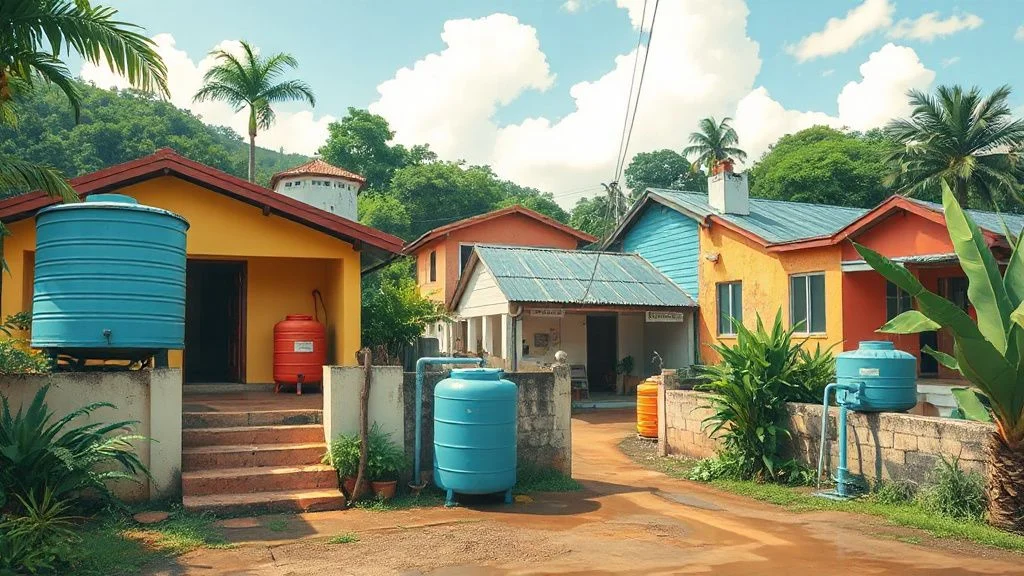
When renting a house equipped with a water tank and pump, tenants should consider additional factors related to these amenities. Homes in Guyana often come with water tanks due to the country's fluctuating water supply, especially in regions where water pressure can be inconsistent. The presence of a water pump may also indicate that the property has been upgraded or that the landlord is proactive about ensuring water availability.
Landlords might factor the condition and reliability of these systems into the security deposit. If a property has a new, well-maintained water tank and pump, the landlord may feel more secure in asking for a higher deposit, given that these systems can be costly to repair or replace. Additionally, if the water system is old or frequently malfunctions, a landlord might be more inclined to request a lower deposit, reflecting the risk of potential issues arising during the lease term.
Legal Framework Surrounding Security Deposits
In Guyana, the landlord-tenant relationship is governed by the Landlord and Tenant Act. While there are no official regulations governing the maximum amount of security deposits, landlords are encouraged to set reasonable amounts. Tenants should also be aware of their rights regarding the return of their security deposit at the end of the lease. If the property is left in good condition, excluding normal wear and tear, the landlord is legally obligated to refund the deposit.
To avoid disputes over the return of your security deposit, it's advisable to document the condition of the property before moving in. This can be done through photographs or a detailed walkthrough with the landlord, noting any existing damage or issues. Additionally, if the property is furnished, request an itemized inventory list to ensure that all items are accounted for when you vacate.
How to Negotiate Your Security Deposit
Negotiating the security deposit can be a beneficial step for tenants, especially in a competitive rental market. When discussing the deposit with a landlord, it’s essential to approach the conversation professionally and respectfully. Here are some tips for negotiation:
- Research Comparable Rentals: Investigate similar properties in the area to understand the typical security deposit amounts. This knowledge can provide a strong basis for your negotiation.
- Emphasize Your Reliability: If you have a stable job in Guyana, showcasing your employment contract can add credibility. Landlords may be more willing to lower the deposit if they are confident in your ability to pay rent consistently.
- Consider Offering to Pay a Higher Monthly Rent: In some cases, landlords might be willing to lower the security deposit if you agree to a slightly higher monthly rent. This could provide them with added security while easing the upfront financial burden on you.
What Happens to Your Deposit?
Once you've paid your security deposit, it is essential to understand the terms regarding its return. As mentioned, if you maintain the property well, you should receive your deposit back when your lease ends. However, if any damage occurs that is deemed beyond normal wear and tear, landlords may retain part or all of the deposit to cover repair costs.
In the case of a water tank or pump malfunction, if the issue is due to your actions (e.g., neglecting to report a leak), you may be held financially responsible. Conversely, if the problem arises from normal use or existing conditions, the landlord should cover the repairs without deducting from your deposit.
Practical Tips for Expats Renting in Guyana
As an expat or returning professional, navigating the rental market in Guyana can be challenging but rewarding. Here are some practical tips to help you succeed in your search for a rental home:
- Utilize Local Resources: Explore platforms dedicated to expats or online classifieds that focus on the Guyanese market. These resources can provide you with insights into the current rental landscape.
- Network with Other Expats: Joining expat groups or forums can offer valuable advice from those who have already gone through the rental process. They can share experiences and tips on specific neighborhoods.
- Be Prepared for Upfront Costs: When moving into a rental property, be aware that you will need to cover the first month's rent, security deposit, and potentially other fees (such as agency fees). Ensure you have the necessary funds available.
- Understand Local Customs: Familiarize yourself with local customs and practices regarding renting. This understanding can help you navigate discussions with landlords more effectively.
Conclusion
Renting a home in Guyana, especially one with a water tank and pump, requires careful consideration of the security deposit. Understanding the factors that influence the deposit amount, knowing your rights as a tenant, and being prepared to negotiate are all vital steps in securing a rental property. With the right approach, you can find a comfortable home that meets your needs while ensuring a smooth renting experience in this beautiful country.
Primary Sources
Last updated: November 2026