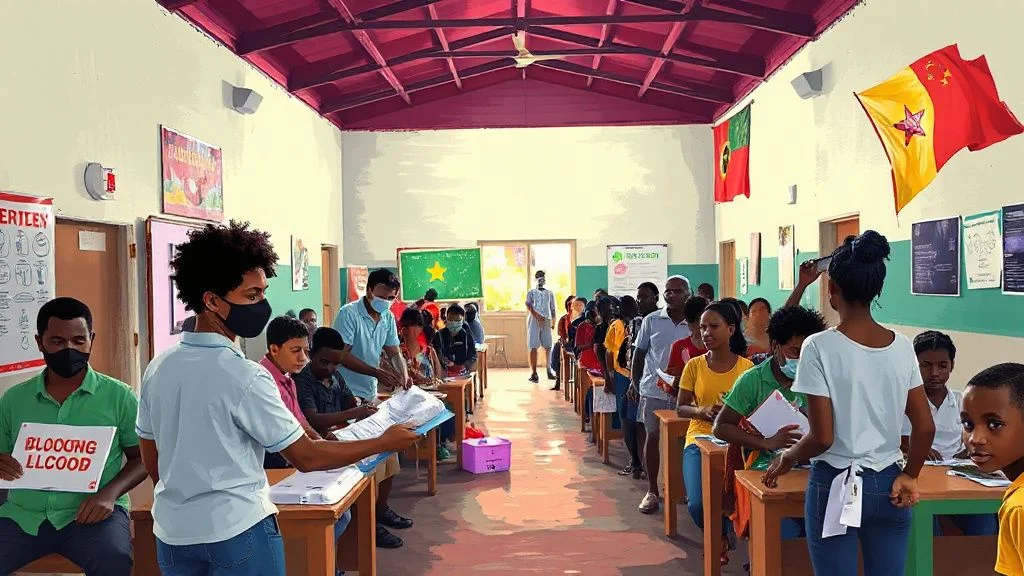
In Guyana, blood bank and transfusion services play a crucial role in the healthcare system, particularly in supporting the needs of patients requiring blood transfusions. This article delves into the operational framework of blood banks, the transfusion process, and what expatriates and returning diaspora professionals should know about accessing these vital services in the country.
Overview of Blood Banks in Guyana
Blood banks in Guyana are primarily managed by the Ministry of Health, which oversees blood donation, testing, and distribution. The service aims to ensure a safe and adequate supply of blood for patients in need, particularly in emergencies, surgeries, and for those with chronic illnesses.
Typically, blood banks in Guyana operate in various healthcare facilities across the country. These institutions are equipped to handle blood collection, testing, and storage. The blood collected is categorized into various components, including red blood cells, platelets, and plasma, each serving different medical needs. Understanding the local blood bank operations can be essential for expatriates who may require these services.
The Blood Donation Process
Blood donation in Guyana is a voluntary and altruistic act. The process usually begins with potential donors undergoing a screening process to ensure their eligibility. This includes a health questionnaire and a brief physical examination to assess hemoglobin levels and overall health. It is important for expatriates to know that the eligibility criteria may vary slightly from those in their home countries, so it is advisable to check local guidelines.
Once cleared, the actual donation process typically takes a short time, during which a standard volume of blood is collected. After donation, donors are typically advised to rest for a short period and are provided with refreshments to help replenish their energy. This process is crucial in maintaining a steady supply of safe blood for transfusions across the country.
Transfusion Services and Safety Protocols
The transfusion services in Guyana adhere to strict safety protocols to ensure that the blood supplied is safe for patients. Blood is tested for various infectious diseases before it is approved for transfusion. This rigorous testing is vital for maintaining the health and safety of patients receiving blood products.
In cases where a patient requires a transfusion, healthcare providers will assess the patient’s needs and determine the appropriate blood type and component required. Blood type compatibility is crucial to prevent adverse reactions during transfusion. The healthcare team will typically conduct a crossmatch test to ensure compatibility before proceeding with the transfusion.
Challenges and Improvements in Blood Services
Despite the essential role that blood banks and transfusion services play, there are challenges that the system faces in Guyana. One significant issue is the need for increased public awareness about the importance of blood donation. Many expatriates may not be familiar with the local donation culture, and thus, engaging in community outreach programs can help bridge this gap.
Moreover, the infrastructure for blood storage and transportation can sometimes be limited, particularly in remote areas. This can affect the timely availability of blood for patients in need. However, efforts are being made to improve these services, including the establishment of initiatives to reach more communities.
What Expats Should Know
For expatriates living in Guyana, understanding the local blood bank and transfusion services is essential, especially if they have specific health needs. It is advisable to familiarize oneself with the nearest healthcare facilities that offer blood services. Many expatriates find that certain hospitals are reliable options, as they are well-equipped and staffed with trained professionals.
Additionally, expatriates should consider participating in local blood donation drives. These events not only contribute to the community but also provide an opportunity to connect with locals and other expatriates. It is a way to give back and support the healthcare system while also fostering a sense of community.
Practical Tips for Accessing Blood Services
Here are some practical tips for expatriates and returning diaspora professionals regarding blood bank and transfusion services in Guyana:
- Know Your Blood Type: Understanding your blood type can expedite the transfusion process in case of emergencies. Keep a record of your blood type accessible.
- Emergency Contacts: Have a list of local hospitals and blood banks saved in your phone. This can be invaluable in case of an emergency.
- Stay Informed: Regularly check for updates from the Ministry of Health regarding blood donation campaigns and health advisories.
- Engage with Local Communities: Participate in local health initiatives or community events focused on blood donation to build connections and support the local healthcare system.
- Consult Healthcare Providers: If you have specific health concerns or conditions, consult with local healthcare providers to understand how blood services can meet your needs.
Conclusion
Blood banks and transfusion services in Guyana are vital components of the healthcare system, ensuring that patients receive the necessary blood products for treatment. Understanding the donation process, safety protocols, and available services can help expatriates navigate healthcare needs effectively. By engaging with local initiatives and staying informed, expatriates can contribute positively to the community while ensuring their health and safety in Guyana.