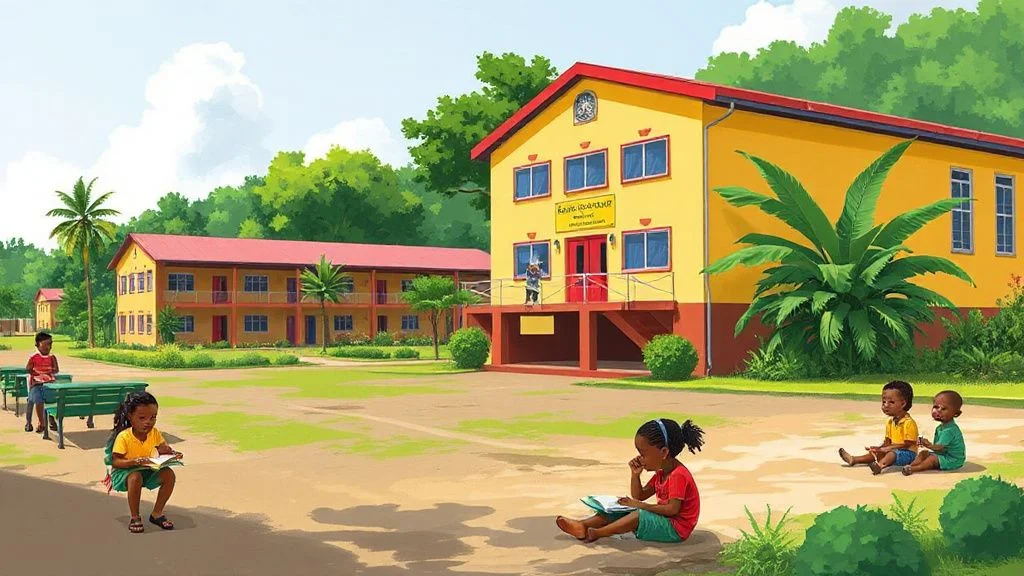
Relocating to Guyana, especially for expatriates and returning diaspora professionals, brings many adjustments to daily life, particularly in education. Understanding the school year calendar and exam periods is vital for planning family activities, ensuring children’s educational needs are met, and aligning with local customs. This article provides an in-depth look at the school calendar in Guyana, including significant dates, holidays, and examination periods.
What can we help you with?
Three short questions, then just how to reach you. No account needed.
School Year Structure in Guyana
The academic year in Guyana typically runs from September to July, divided into three terms. Each term has its own set of holidays and breaks, which can significantly affect family schedules. The Ministry of Education has established a structured calendar that schools across the country follow, ensuring consistency in educational planning.
Term Dates
According to the Ministry of Education, the school year for 2026-2030 outlines specific opening and closing dates for each term. For instance, the first term usually begins in early September and ends in December, while the second term runs from January to April, and the final term spans from May to July. These dates can vary slightly from year to year, so it's advisable for families to check the official Ministry of Education calendar for the most accurate information.
Holidays and Breaks
During the school year, there are several public holidays and mid-term breaks that students look forward to. Notable holidays include:
- Guyana's Independence Day: Celebrated on May 26th, this national holiday often results in school closures.
- The Christmas Holidays: Schools typically close in mid-December and reopen in early January, allowing for a break.
- Phagwah (Holi): This vibrant Hindu festival usually falls in March and is recognized with a day off from school.
- Eid al-Fitr: Depending on the lunar calendar, this is another holiday that schools may observe.
Families should be aware of these holidays for planning vacations and family gatherings, as school closures can affect childcare arrangements and work schedules.
Exam Periods and Assessments
Examinations in Guyana occur at various stages throughout the school year, particularly for students in their final years of primary and secondary education. Understanding the exam schedule is crucial for families as it requires careful planning and preparation.
Primary Assessments
For students in Grade 6, assessments are a significant milestone. These assessments typically occur in May. Results from these examinations are crucial for determining placement in secondary schools. Parents should ensure that their children are adequately prepared for this critical assessment, which covers subjects such as Mathematics, English, and Science.
Caribbean Secondary Education Certificate (CSEC)
Students sitting for the Caribbean Secondary Education Certificate (CSEC) exams usually do so in May and June. These exams are essential as they mark the end of secondary education and are recognized throughout the Caribbean. Parents can help their children succeed during this period by creating a conducive study environment at home, enrolling them in revision classes, or encouraging group study sessions with peers.
What Expats Should Know
For expatriates navigating the schooling system in Guyana, several factors can ease the transition. First, familiarize yourself with the local educational institutions, especially international schools, which often follow different curricula and may have their own unique academic calendars.
Choosing the Right School
In Georgetown, several international schools cater to expatriate families. These schools typically offer curricula aligned with various educational standards. However, tuition fees can be significant, with costs for elementary education averaging about $23,300 (2026-04-01) per child per year, and high school fees averaging around $28,500 (2026-04-01) (source: U.S. Department of State, Office of Overseas Schools, measured 2026-04-01).
When choosing a school, consider factors such as location, available extracurricular activities, and the school's reputation. Visiting schools and speaking with other expatriate parents can provide valuable insights.
Engaging with Local Culture
Adapting to the school calendar also means embracing local culture. Schools often incorporate national holidays and celebrations into their curriculum, allowing students to experience Guyanese culture firsthand. Participating in local festivities can help expatriate families feel more connected to their community and enhance their children's understanding of their new environment.
Practical Tips for Expatriate Families
Here are some practical tips for expatriate families navigating the school year calendar and exam periods in Guyana:
- Stay Informed: Regularly check the Ministry of Education website for updates on school schedules and exam dates.
- Build a Support Network: Connect with other expatriate families through social media or local community groups. This network can provide assistance and advice on schooling and cultural adaptation.
- Plan Ahead: Schedule family vacations during school breaks to maximize time together and minimize disruptions to your children's education.
- Encourage Open Communication: Talk to your children about their experiences at school. Understanding their challenges and successes can help you provide better support.
Conclusion
Understanding the school year calendar and exam periods in Guyana is essential for expatriates and returning professionals. With knowledge of term dates, holidays, and examination schedules, families can effectively plan their lives around their children's education. By engaging with the local culture and building a supportive community, expatriate families can ensure a smooth transition and enriching experience while living in Guyana.