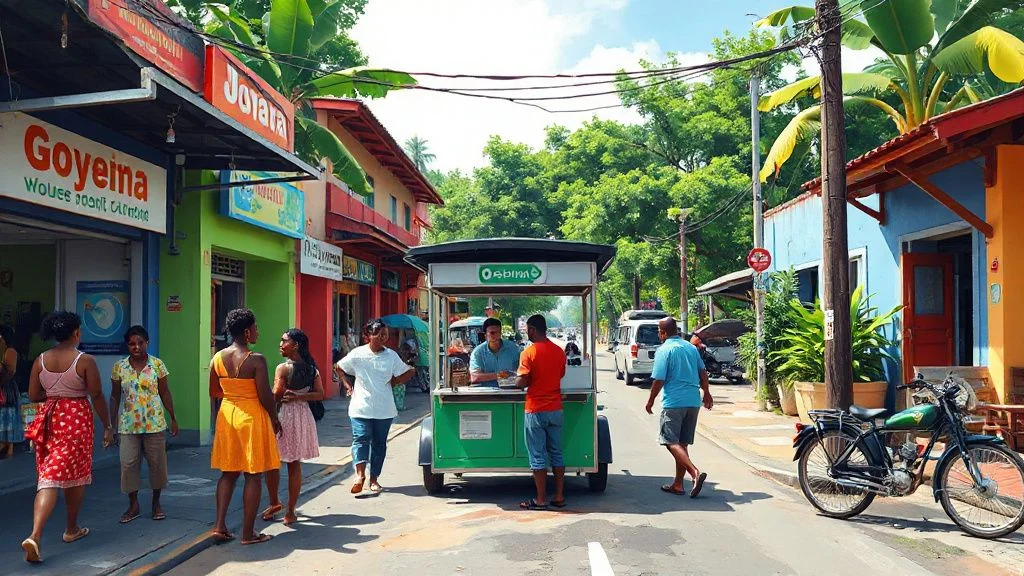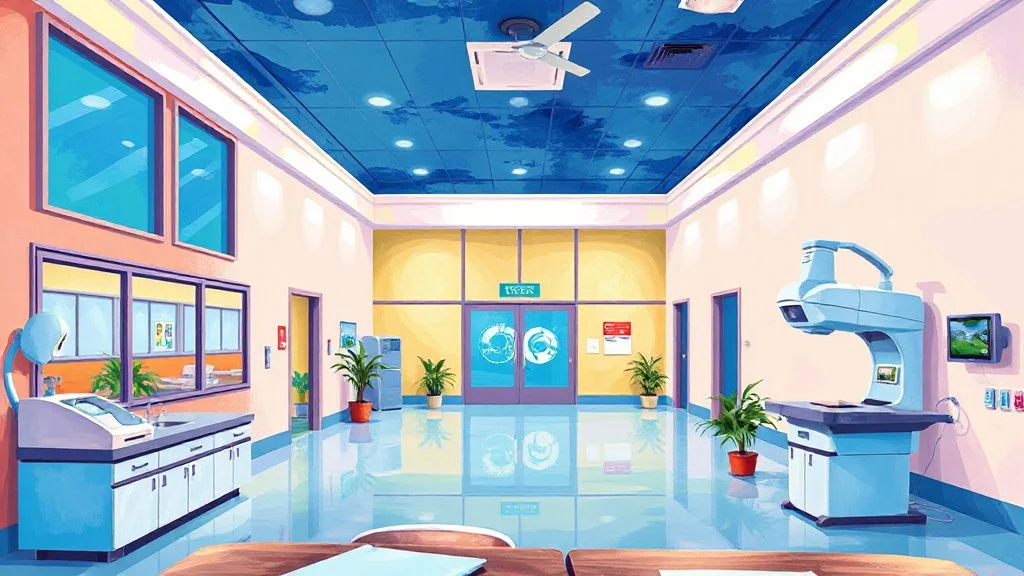
Guyana has been making significant strides in healthcare, particularly in laboratory and diagnostic imaging services. For expatriates and returning-diaspora professionals, understanding the landscape of these services is crucial for ensuring health and well-being in a new environment. This guide will delve into the types of services available, key providers, and practical tips for navigating the healthcare system in Guyana.
Overview of Laboratory Services in Guyana
Laboratory services in Guyana are essential for diagnosing diseases, monitoring health conditions, and aiding in preventive care. The country boasts several healthcare facilities offering a range of laboratory tests, including blood tests, urinalysis, and microbiological cultures. These services are integrated into larger healthcare settings, such as hospitals and specialized clinics, providing a streamlined approach for patients.
In Georgetown, the capital city, various healthcare facilities provide comprehensive laboratory services. Many of these laboratories are equipped with modern technology and staffed by trained professionals who adhere to international standards for quality and safety. This ensures that tests are conducted accurately and efficiently, with results generally available within a reasonable timeframe, depending on the complexity of the tests.
Common Laboratory Tests
Expatriates can expect to find a wide variety of laboratory tests available in Guyana. Common tests include:
- Complete Blood Count (CBC): This test evaluates overall health and detects a range of disorders, such as anemia and infection.
- Blood Chemistry Tests: These tests assess organ function, electrolyte levels, and metabolic health.
- Microbiological Cultures: Used for identifying infections caused by bacteria or fungi.
- HIV and STD Screening: Essential for general health, particularly among those engaging in high-risk activities.
- COVID-19 Testing: Available through various healthcare providers, with rapid testing options often implemented.
Understanding these tests will help expatriates communicate effectively with healthcare providers and make informed decisions about their health.
Diagnostic Imaging Services in Guyana
Diagnostic imaging services are critical for accurate diagnosis and treatment planning. In Guyana, these services encompass various modalities, including X-ray, ultrasound, and other imaging techniques. Modernization efforts within the healthcare system have led to improved access to these technologies, particularly in urban areas.
Radiology facilities are equipped with advanced imaging equipment, and the training of local radiologists has been prioritized to ensure high-quality service delivery. As of recent updates, various facilities in Georgetown offer a range of imaging services, catering to both outpatient and inpatient needs.
Types of Diagnostic Imaging
Expatriates can expect a range of diagnostic imaging services available in Guyana, including:
- X-ray: Commonly used to diagnose fractures, infections, and other conditions affecting bones and joints.
- Ultrasound: Often utilized in obstetrics, as well as for examining organs such as the liver, kidneys, and heart.
- CT Scans: Provide detailed images for diagnosing complex conditions, including cancers and internal injuries.
- MRI: Used for detailed imaging of soft tissues, making it crucial for neurological and musculoskeletal assessments.
In many cases, these imaging services require a referral from a physician, so maintaining good communication with healthcare providers is essential.
Key Healthcare Providers
Various facilities in Guyana are known for their quality laboratory and diagnostic imaging services. While specific names cannot be referenced, you can find both public and private healthcare providers in Georgetown that offer comprehensive diagnostic services.
Public hospitals typically provide essential services at lower costs, while private clinics may offer quicker access and a more comfortable environment, albeit at a higher price point. Many expatriates may prefer private healthcare options for potentially more personalized care.
Choosing the Right Provider
When selecting a healthcare provider for laboratory or imaging services, consider the following factors:
- Accreditation: Look for facilities that are accredited by local health authorities to ensure compliance with quality standards.
- Reviews and Recommendations: Seek feedback from fellow expatriates or local residents regarding their experiences with specific providers.
- Accessibility: Consider the location and transportation options available to reach the facility.
- Insurance Coverage: Verify whether your health insurance covers the services provided by a particular facility.
Practical Tips for Expatriates
Navigating healthcare services in a new country can be challenging, but several practical tips can help expatriates manage their healthcare needs effectively:
- Maintain a Health Record: Keep a record of your medical history, including previous diagnoses, treatments, and allergies. This will be useful when consulting new healthcare providers.
- Language Considerations: While many healthcare professionals in Guyana speak English, familiarize yourself with common medical terms in the local context to facilitate communication.
- Local Health Insurance: Consider obtaining local health insurance to cover potential healthcare costs. Research different providers to find an option that suits your needs.
- Emergency Contacts: Familiarize yourself with emergency contacts and procedures in Guyana. Knowing the location of nearby hospitals and clinics can save time during a health crisis.
Cultural Nuances in Healthcare
Understanding the cultural nuances of healthcare in Guyana can greatly improve your experience. Guyanese people tend to be warm and welcoming, which can help create a comfortable environment during healthcare visits. However, patience is essential, as the pace of healthcare delivery may differ from what expatriates are accustomed to in other regions.
Additionally, the integration of various healthcare practices may be something expatriates encounter during their healthcare journey.
Conclusion
Guyana offers a growing array of laboratory and diagnostic imaging services, essential for maintaining health and wellness in a new environment. By understanding the types of available services, choosing the right healthcare providers, and adapting to cultural nuances, expatriates can navigate the healthcare landscape effectively. Whether you’re seeking routine tests or specialized imaging services, the key is to build relationships with local providers and remain informed about your healthcare options.