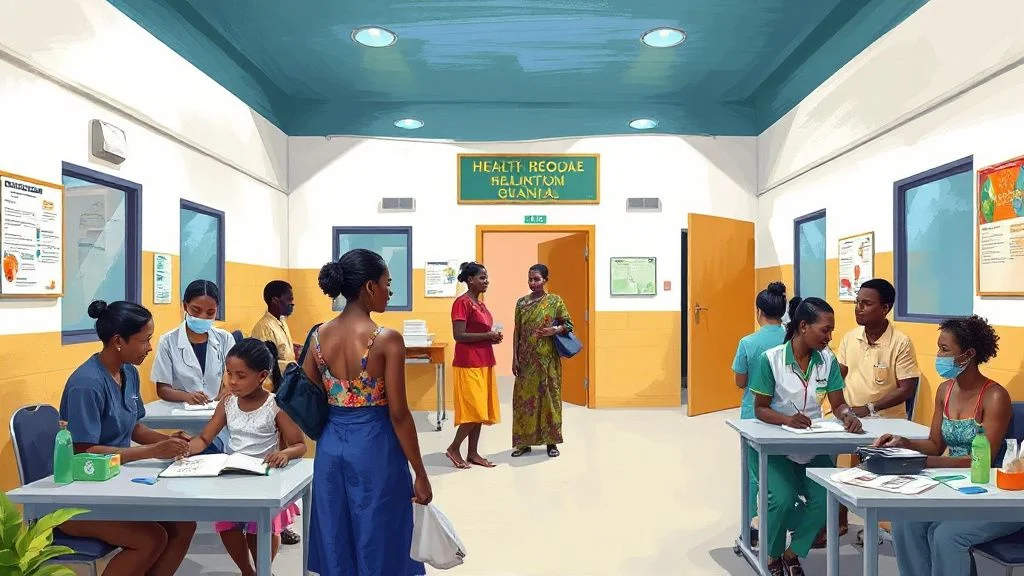
Understanding the health profile of Guyana is essential for expatriates and returning professionals who are relocating to this vibrant nation. The data from the Pan American Health Organization (PAHO) and the World Health Organization (WHO) illustrate critical aspects of health in Guyana, revealing both achievements and ongoing challenges. This article will delve into significant health indicators and their implications for those living in or moving to Guyana.
Demographic Overview and Health Indicators
Guyana, with a population of approximately 831,087 as of 2024, has witnessed a steady increase in life expectancy, now averaging 70.3 years. This figure is notable, yet it still falls below the average for the Americas. The demographic distribution indicates that 6.7% of the population is over 65, highlighting an aging population that may require more health resources and services in the coming years.
As expatriates adjust to life in Guyana, they may notice how the healthcare system is structured around these demographic realities. The increasing share of older adults may lead to a higher demand for healthcare services, particularly in areas such as geriatrics and chronic disease management.
Healthcare System in Guyana
The healthcare system in Guyana is a mixed model, combining public and private services. As of 2021, public expenditure on health was around 3.34% of GDP. Despite this investment, out-of-pocket spending still accounts for a significant portion of health expenditures. This means that access to healthcare can vary widely, especially in rural areas where resources may be more limited compared to urban centers like Georgetown.
For expatriates, understanding how to navigate this system is crucial. Public health facilities often offer basic services, but those seeking specialized care may need to seek private clinics or hospitals, which can be more expensive. The reliance on out-of-pocket expenses can be a shock for newcomers, especially when compared to systems in the US, Canada, or the UK.
Maternal and Child Health
Maternal health is a significant concern in Guyana, with a maternal mortality ratio estimated at 111.9 deaths per 100,000 live births as of 2020. While this represents a decrease compared to previous years, it still poses a challenge for the healthcare system. Expatriate women planning to have children in Guyana should be aware of the available maternal health services and consider options for prenatal and postnatal care.
Child health indicators show that infant mortality remains a pressing issue, with 23 deaths per 1,000 live births reported in recent years. This statistic can be alarming for families. However, vaccination coverage is high, with measles vaccination reaching 100% in 2022. This indicates a commitment to improving child health, but there is still work to be done in reducing overall mortality rates.
Prevalence of Non-Communicable Diseases
Non-communicable diseases (NCDs) such as diabetes, hypertension, and cardiovascular diseases are increasingly prevalent in Guyana. The shift in lifestyle factors, including diet and physical activity, has contributed to this trend. Expatriates may find that the local cuisine varies greatly from what they are accustomed to, which can impact health if not managed carefully. Typical diets may be high in carbohydrates and sugars, so being mindful of nutrition is essential.
The healthcare system is currently focusing on strategies to address these diseases through awareness campaigns and lifestyle interventions. Expatriates can participate in local health initiatives or seek out fitness communities to foster a healthier lifestyle while adjusting to their new surroundings.
Communicable Diseases and Health Risks
Guyana faces challenges with communicable diseases, including malaria, dengue fever, and tuberculosis. The tropical climate and environmental factors contribute to the prevalence of these diseases. Expatriates should be aware of preventive measures, such as vaccinations and mosquito protection, to minimize their risk. Understanding local health challenges can help newcomers adapt and take proactive steps for their well-being.
Health authorities in Guyana are working to improve surveillance and response strategies to combat these diseases. Engaging with local health services and staying informed about outbreaks can be beneficial for expatriates navigating their health in Guyana.
Practical Tips for Expatriates
Living in Guyana requires adjustments, particularly concerning health and wellness. Here are some practical tips for expatriates:
- Know Your Health Insurance: Ensure you have comprehensive health insurance that includes coverage for both public and private healthcare services.
- Stay Informed: Regularly check health advisories and updates regarding communicable diseases and preventive measures.
- Nutrition and Fitness: Familiarize yourself with local food options and seek out gyms or community groups focused on wellness.
- Utilize Local Resources: Connect with local healthcare providers and expatriate communities to find reliable health services and support networks.
- Emergency Preparedness: Keep emergency contact numbers handy, including those for local hospitals and clinics.
Conclusion
The PAHO WHO health profile of Guyana presents both challenges and opportunities for expatriates. With a healthcare system that is evolving and a population facing various health risks, understanding these dynamics is crucial for anyone relocating to or living in Guyana. By being proactive about health and utilizing available resources, expatriates can navigate their new environment more effectively and maintain their well-being.