Relocating to a new country often comes with a long list of considerations, especially when it involves bringing cherished possessions like a piano or large musical instruments. For expatriates moving to Guyana, understanding the logistics and costs associated with shipping these items can help alleviate some of the stress involved in the transition. This article explores the various factors influencing shipping costs, the services available, and practical tips for ensuring your instrument arrives safely.
What can we help you with?
Three short questions, then just how to reach you. No account needed.
Understanding Shipping Costs for Pianos and Large Instruments
The cost of shipping pianos or large instruments to Guyana can vary widely based on a number of factors. The following aspects will influence the overall cost:
1. Type of Instrument
Shipping costs vary significantly based on the type of instrument. For instance:
- Upright Pianos: Generally, shipping costs for upright pianos can be lower than for larger instruments. These instruments are less complex and require less handling than grand pianos.
- Baby Grand Pianos: Expect costs to be higher than for uprights, as these pianos require partial disassembly for transport, which can increase labor costs.
- Grand Pianos: For full-size grand pianos, shipping can be significantly more expensive, often requiring specialized handling and climate-controlled shipping to ensure safety.
2. Distance and Accessibility
The distance from your current location to your destination in Guyana significantly affects the cost. A longer distance generally incurs higher costs due to increased transportation fees and handling. Additionally, accessibility at both pickup and delivery locations plays a crucial role. If your instrument must be moved from a third-floor apartment with narrow staircases, expect additional charges compared to a straightforward ground-floor pickup.
3. Seasonal Demand
Shipping costs can also fluctuate based on seasonal demand. The peak moving season typically occurs from late spring to early fall, and prices may rise during this time. If your schedule allows, consider planning your move during the off-peak season to save money.
4. Shipping Method
When relocating to Guyana, you may choose between air freight and sea freight. Air freight is faster but more expensive, while sea freight is more economical but may take longer. Generally, sea freight can take several weeks, with costs depending on the size and weight of the shipment.
Choosing a Forwarder: What to Look For
Finding a reliable freight forwarder is crucial for safely transporting your piano or large instrument. Here are several key factors to consider:
1. Experience and Specialization
Choose a forwarder that specializes in shipping musical instruments. They should have experience handling delicate items and be familiar with the specific requirements needed for safe transport. Look for reviews and testimonials from other musicians or expatriates who have used their services.
2. Insurance and Protection
Ensure that the forwarder offers adequate insurance coverage for your instrument. Shipping a piano is an investment; therefore, having insurance can protect you from financial loss in case of damage during transit. Verify the details of the insurance policy, including what is covered and any deductibles.
3. Door-to-Door Service
Opt for a forwarder that provides door-to-door service. This means they will handle the pickup from your current location and deliver it directly to your address in Guyana. This service is particularly advantageous for large instruments, as it minimizes handling and potential damage.
Preparing Your Piano for Shipping
Once you've chosen a forwarder, the next step is preparing your piano for shipping. Here’s how to ensure it is ready for transport:
1. Disassembly and Packing
Many forwarders will offer packing services, but if you choose to do it yourself, follow these steps:
- Remove any detachable parts, such as pedals and legs, and pack them separately.
- Use bubble wrap and blankets to cushion the piano. Ensure that all surfaces are protected to avoid scratches and dents.
- Consider using a wooden crate for added protection during transport, especially for grand pianos.
2. Climate Considerations
In Guyana’s tropical climate, it’s essential to protect your piano from humidity and temperature fluctuations. Discuss with your forwarder the option of climate-controlled storage if your instrument will be in transit for an extended period. This will help prevent damage to the wood and internal components.
Practical Tips for Expatriates in Guyana
As you prepare for your move to Guyana, consider these practical tips to make the process smoother:
1. Understand Local Customs and Regulations
Before shipping your piano, familiarize yourself with Guyana’s customs regulations. There may be specific requirements or duties that apply to importing musical instruments. Contact the local embassy or consult your forwarder for guidance to ensure a smooth customs clearance process.
2. Connect with Local Musicians
Once you've settled in, consider connecting with local musicians or music schools. This can provide valuable insights into the local music scene and help you find a community of fellow expatriates who share your passion for music. Engaging with others can ease the transition and make your new environment feel more familiar.
3. Explore Local Venues
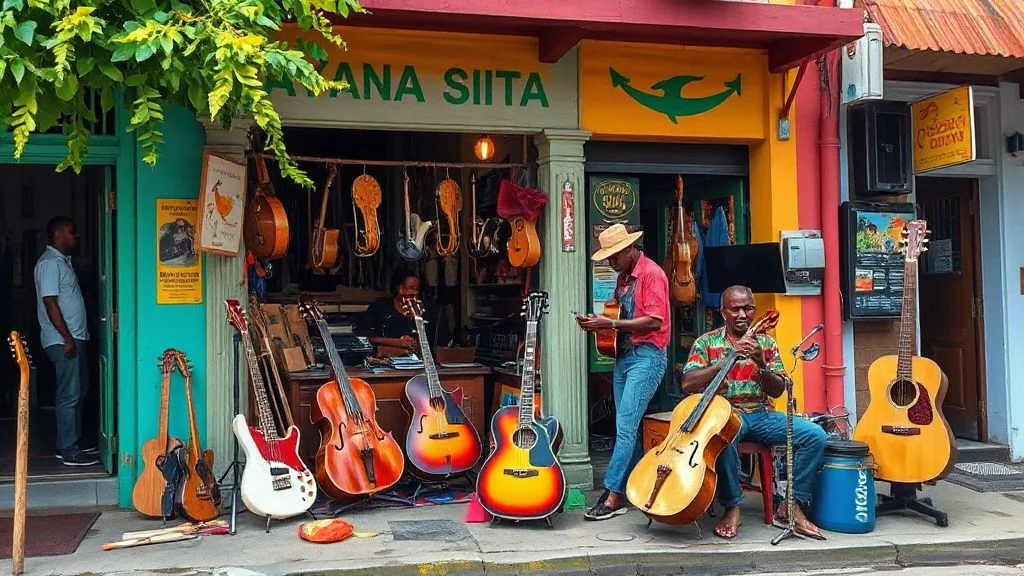
Georgetown, the capital of Guyana, offers various venues for music and performances. Familiarize yourself with local theaters, community centers, and music shops to enrich your cultural experience. These venues often host events and performances where you can meet other musicians and participate in the local music culture.
Conclusion
Bringing a piano or large instrument to Guyana requires careful planning and consideration of various factors, including shipping costs and logistics. By understanding the costs involved, choosing the right forwarder, and preparing your instrument properly, you can ensure a smooth transition and enjoy your musical pursuits in your new home. Engaging with the local music community will further enrich your experience and help you adapt to life in Guyana.
Primary Sources
Last updated: October 2026