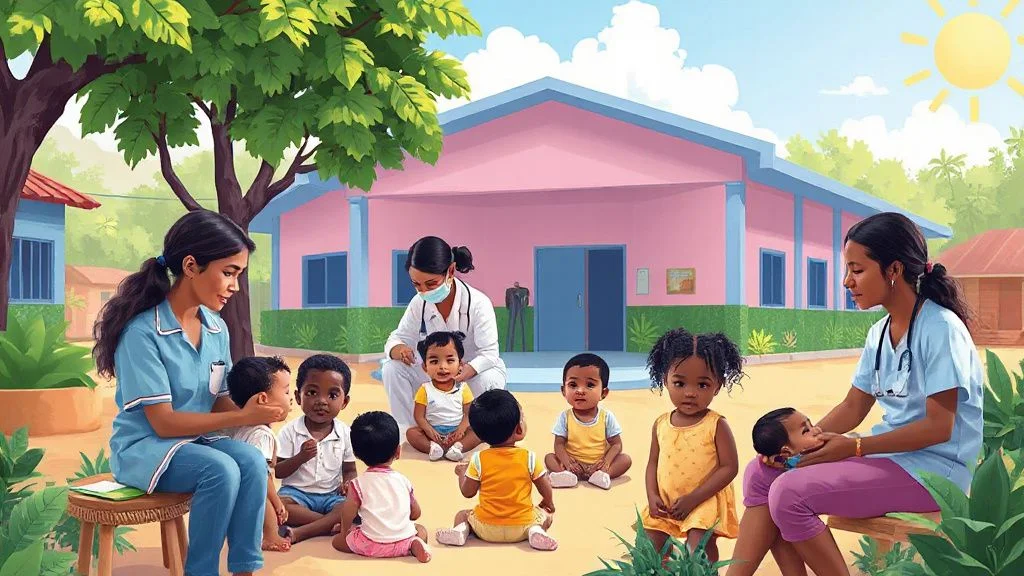
Relocating to a new country can be both exciting and challenging, especially when it comes to ensuring the health and well-being of your children. In Guyana, paediatric care is evolving, with various facilities dedicated to the health of infants, children, and adolescents. This article will provide an overview of the available paediatric care options in Guyana, how they compare to what expatriates might be used to, and practical advice for navigating healthcare for your children.
Understanding Paediatric Services in Guyana
Paediatric care in Guyana encompasses a range of services aimed at promoting the health of children from infancy through adolescence. The country has made significant strides in improving healthcare access, particularly in urban areas like Georgetown, where most medical facilities are concentrated. The healthcare system is primarily public, but private options are also available.
Public Healthcare Facilities
The Georgetown Public Hospital Corporation (GPHC) is the largest public hospital in Guyana and plays a crucial role in providing paediatric services. While GPHC has made strides in providing care, challenges such as limited resources and staffing shortages can affect the quality and timeliness of care. Families may experience longer wait times for appointments and treatments compared to what they are accustomed to in the US, Canada, or the UK.
In addition to GPHC, there are smaller regional hospitals and health clinics throughout Guyana that offer basic paediatric care. These facilities typically provide vaccinations, routine check-ups, and treatment for common childhood illnesses. However, the level of care can vary significantly, and families may need to travel to Georgetown for more specialized services.
Private Healthcare Options
For expatriates looking for quicker access to care and a more comfortable environment, private healthcare facilities are a viable option. The private sector in Guyana is growing, with several clinics and hospitals catering specifically to children. These facilities often have shorter wait times and are equipped with more modern amenities.
Private clinics typically offer a range of services, including paediatric consultations, vaccinations, and preventive care. Some clinics may also provide specialized services such as pediatric dentistry and nutrition counseling. It's advisable for expatriates to research and visit these clinics beforehand to find one that meets their specific needs.
The New Paediatric and Maternal Hospital
A landmark development in paediatric care in Guyana is the establishment of the new Paediatric and Maternal Hospital (PMH) in Goedverwagting, East Coast Demerara. Construction for this state-of-the-art facility began in 2022, representing a significant investment in the nation’s healthcare infrastructure, expected to enhance the quality of care available to children and mothers.
The PMH will feature 256 inpatient beds and a range of specialized services, including prenatal care, childbirth support, and comprehensive paediatric care. The incorporation of modern imaging facilities and fully equipped laboratories will enable healthcare professionals to deliver high-quality and timely services. This facility is set to become a central hub for paediatric healthcare in the region, greatly improving access for families across Guyana.
Common Paediatric Health Issues in Guyana
Expatriate families should be aware of some common health issues that may affect children in Guyana. While the country has made significant progress in public health, challenges such as access to clean water, sanitation, and nutrition can result in health concerns.
While specific conditions may vary, it is important for parents to be vigilant about their children's health and to ensure they are up to date on immunizations as per international guidelines. Vaccination against preventable diseases remains a priority, and parents should seek out local health clinics for vaccination schedules, which are critical for expatriate families to follow.
Nutrition and Preventive Care
Nutrition is another vital aspect of paediatric care. Many expatriates may notice differences in dietary customs and available food sources. While local cuisine is rich and diverse, it may not always align with the dietary preferences or needs of expatriate families. It’s essential to adapt to local food options while ensuring children receive balanced nutrition.
Consider consulting with local paediatricians or nutritionists who can provide guidance on dietary adjustments. Some expatriates have found success in incorporating local fruits and vegetables into their children’s diets, which can be both nutritious and enjoyable for children.
What Expats Should Know About Paediatric Care
For families relocating to Guyana, here are some practical tips to navigate the healthcare landscape:
- Keep Medical Records Handy: Ensure you have copies of your children’s medical records, vaccination history, and any ongoing treatments. This documentation will be invaluable when seeking care in Guyana.
- Identify Local Healthcare Providers: Research and establish a relationship with local paediatricians or family doctors upon arrival. Many expatriates find it helpful to connect with healthcare providers who are familiar with international standards.
- Emergency Services: Familiarize yourself with emergency services available in your area. Knowing the location of the nearest hospital or clinic can save valuable time in case of an emergency.
- Health Insurance: Verify that your health insurance covers services in Guyana, particularly for private healthcare options. Understand the claims process and any out-of-pocket expenses you may incur.
- Community Support: Engage with expatriate communities online or in person for recommendations and advice regarding healthcare for children. Fellow expatriates can provide valuable insights based on their experiences.
Conclusion
Paediatric care in Guyana is continually improving, with both public and private options available to meet the needs of children. The establishment of the new Paediatric and Maternal Hospital is a significant milestone that promises to enhance healthcare access and quality for families. By understanding the healthcare landscape and taking practical steps, expatriate families can ensure their children receive the necessary care to thrive in their new environment. Continuous engagement with local healthcare providers and the community will further support a smooth adjustment to life in Guyana.
Primary Sources
Last updated: October 2026