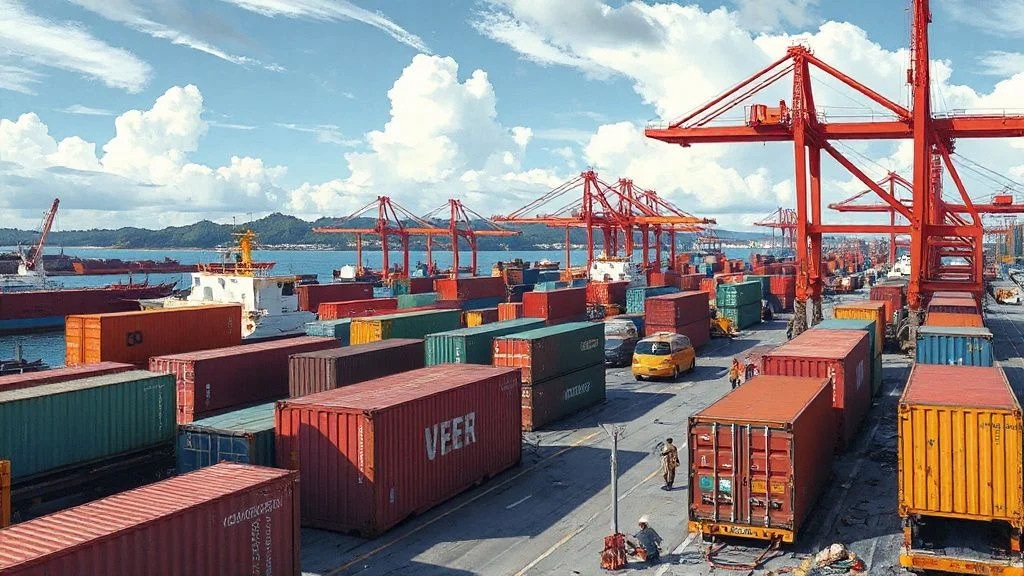
For expatriates and returning-diaspora professionals relocating to or living in Guyana, understanding the port terminal charges is crucial. Whether you're importing furniture or shipping equipment for work, the charges you see on your invoice can significantly affect your overall budget. This article breaks down the different charges you might encounter and provides practical insights into navigating these costs efficiently.
What are Port Terminal Charges?
Port terminal charges refer to the fees levied by terminal operators for handling containers during their stay at the port. These charges typically cover a range of services, including the physical movement of containers from trucks to ships and vice versa, as well as temporary storage and necessary inspections. In Guyana, like many countries, these costs can appear multiple times on your shipping invoices, often leading to confusion among expats and newcomers to the region.
Types of Charges You May Encounter
When reviewing your invoice from a shipment, you will likely see a variety of charges listed. Some of the most common include:
- Terminal Handling Charges (THC): This fee is charged both at the port of origin and the destination. For example, if you're importing goods into Georgetown, you will pay THC at the port of loading in the country of origin and again at the port of discharge in Guyana. Typically, each terminal sets its own rates, making it essential to inquire about these in advance.
- Documentation Fees: Every shipping process requires documentation, and fees for services like bill of lading administration can appear on your invoice. In Guyana, this fee is typically around $40 USD plus VAT (14%), adding to your overall costs.
- Release Fees: After your container arrives, you may be charged a fee to obtain the release order that allows you to take possession of your goods. This charge can vary, so it's advisable to clarify it with your shipping agent.
Understanding the Invoice Breakdown
When you receive your invoice, it will typically list charges individually. For example, you might see:
- Bill of Lading Fee: This fee varies, but for local invoices, it might be around $80 USD.
- Seal Verification Fee: Generally charged at about $15 USD, this fee verifies the integrity of your container's seal.
- VGM (Verified Gross Mass) Fee: If applicable, expect a fee of around $55 USD for handling your cargo's weight verification.
Each of these charges is typically designed to cover specific costs incurred by the terminal during the handling of your cargo. Understanding each item will help you anticipate and manage these expenses effectively.
Why Do Charges Vary By Port?
In Guyana, the port terminal charges can vary from one terminal to another based on several factors. For instance, Georgetown, being the capital and main port, may have different rates compared to regional terminals. Factors influencing these charges include:
- Operational Costs: Local labor agreements, equipment costs, and land usage can all impact terminal fees. For example, terminals with higher operational costs may pass these expenses onto shippers.
- Volume of Cargo: Terminals that handle a higher volume of containers may offer reduced rates due to economies of scale, while smaller terminals may charge more per container.
- Local Regulations: Compliance with local laws and regulations regarding shipping and terminal operations can also affect pricing. Each terminal must adhere to safety and environmental standards, which can incur additional costs.
Common Expatriate Experiences with Terminal Charges
Many expatriates find themselves surprised by the total cost of shipping after receiving their invoices. For instance, an expat relocating from Canada might expect that a flat shipping rate covers all costs, only to discover additional charges for handling, documentation, and release fees. It's not uncommon for first-time movers to budget for shipping only to find they need to account for an additional 20% to 30% in terminal charges.
Furthermore, understanding the Incoterms used in your shipping contract can clarify who is responsible for which charges. For example, under a Free on Board (FOB) agreement, the seller covers the cost until the cargo is loaded onto the ship. However, the buyer may be responsible for destination charges upon arrival in Guyana.
Practical Tips for Managing Port Charges
As an expatriate, navigating port terminal charges in Guyana can be a bit overwhelming, but there are strategies you can employ to manage these costs effectively:
- Get Detailed Quotes: Before shipping, request detailed quotes from your shipping company. Inquire about all terminal fees that may apply and ensure they provide a breakdown of all expected charges.
- Research Local Regulations: Familiarize yourself with the local regulations and fees associated with port operations. Knowing what to expect can help you budget accurately and avoid surprises.
- Work with Local Experts: Engaging with logistics companies or agents who are experienced in Guyana can provide invaluable insights and facilitate smoother shipping experiences. They can help you understand the local market and negotiate better rates.
- Plan for Additional Costs: Always plan for potential additional costs beyond the initial shipping quote. Setting aside a contingency budget can alleviate stress when unexpected charges arise.
Conclusion
Understanding port terminal charges in Guyana is essential for expatriates and returning-diaspora professionals. By familiarizing yourself with the common fees, the reasons behind cost variations, and strategic budgeting, you can navigate your shipping experience more effectively. Always remember to read your invoice carefully, clarify any uncertainties with your shipping provider, and seek assistance from local experts to ensure a smooth transition to your new life in Guyana.