
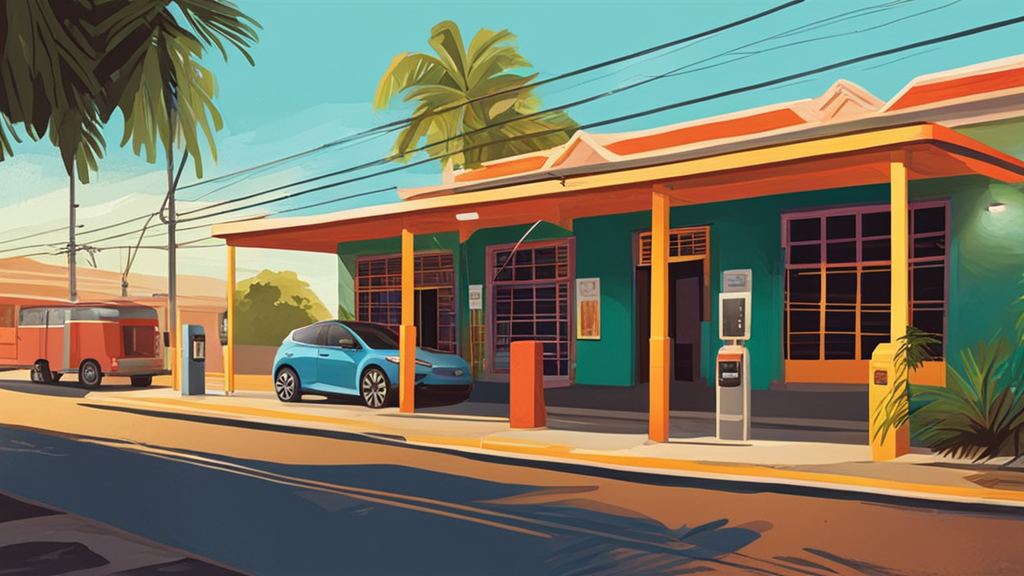
Importing an electric vehicle into Guyana involves understanding the local charging infrastructure and regulations. While the country is expanding its EV charging network, availability varies significantly, especially between urban and rural areas. It's crucial for expats to research local charging options and plan accordingly to ensure a smooth transition to EV ownership.
As electric vehicles (EVs) gain popularity globally, Guyana is no exception. With nearly 900 electric vehicles imported since the sector's inception in 2020, the landscape for EV ownership is evolving rapidly. For expatriates and returning nationals considering importing an electric vehicle into Guyana, understanding the charging infrastructure, regulations, and practical realities is essential. This article delves into the key aspects of importing an EV, the current charging situation, and what you need to know to make your transition smooth and successful.
Understanding the Import Process for Electric Vehicles
The process of importing an electric vehicle into Guyana is similar to that of traditional vehicles but comes with distinct advantages and considerations. The first step is understanding the relevant customs duties and taxes. For electric vehicles, the Guyana Revenue Authority offers a more favorable tax structure compared to conventional gasoline and diesel vehicles.
Typically, electric vehicles may enjoy exemptions from certain duties, but it’s crucial to verify the latest import regulations directly with the Guyana Revenue Authority. As of our last update, EVs under specific categories can have customs duties set at 0%. Keep in mind that while the customs duty may be lower, additional fees such as shipping costs and insurance will still apply. It's advisable for expats to budget for a total import cost that could be 1.8 to 2.5 times the vehicle's purchase price, depending on various factors.
Required Documents for Importing an EV
When importing an electric vehicle into Guyana, you will need several documents to ensure a smooth process. These typically include:
- Bill of Lading
- Customs Declaration Form
- Invoice of Purchase
- Vehicle Registration Certificate
- Proof of Insurance
Ensure all documents are in order before shipment, as discrepancies can lead to delays or additional charges. It’s also wise to engage a local customs broker who is familiar with the process to guide you through any complexities.
- Understand customs duties and taxes for EV imports.
- Gather required documents such as the Bill of Lading and customs declaration.
- Research the types of charging stations available in Guyana.
- Consider the costs of charging at home versus public stations.
- Stay informed about potential electricity supply challenges.
- Engage with local EV communities for support and information.
The Charging Infrastructure in Guyana
As you consider importing an electric vehicle, understanding the charging infrastructure in Guyana is paramount. While the country is making strides toward expanding its EV charging network, the availability of charging stations can vary significantly between urban and rural areas.
In Georgetown, the capital, there are several charging stations available, primarily near commercial centers and major roads. However, the number of charging points is still limited compared to what you may be accustomed to in North America or the UK. For instance, local businesses and government agencies have initiated projects to install more charging stations, but it’s advisable to locate and map out these stations before making your decision.
Types of Charging Stations
Charging stations in Guyana typically fall into three categories:
- Level 1 Charging: This method uses a standard outlet and is suitable for overnight charging. However, it is slow and may take a significant amount of time for a full charge.
- Level 2 Charging: These charging stations require a higher voltage and can charge an EV in a few hours. They are more common in commercial settings and suitable for daily use.
- Fast Charging Stations: These are not as widely available but are crucial for longer trips, allowing for a substantial charge in a short period. Check local listings or EV apps to find these stations.
Charging Costs and Accessibility
The cost of charging your electric vehicle in Guyana can vary based on the type of station and the electricity rates in your area. The costs associated with charging can differ significantly depending on whether you are charging at home or at public stations.
Moreover, it is essential to consider the electricity supply specifications when purchasing charging equipment or adapters. Additionally, you should be aware of the plug types used in the country to ensure compatibility with your vehicle and charger.
Charging Challenges to Anticipate
While the landscape for electric vehicles in Guyana is improving, there are still challenges that expats should be aware of. One common concern is the reliability of the electricity supply. Occasional outages can affect charging availability, particularly for those relying on home charging. It’s wise to have a backup plan, such as knowing the locations of public charging stations and their operational status.
Moreover, as the electric vehicle market grows, demand for charging stations will likely increase. Consequently, it’s beneficial to stay informed about new installations and any potential government initiatives aimed at expanding the network.
Practical Tips for Expats Importing EVs
Here are some insider tips to help expatriates smoothly navigate the process of importing and using an electric vehicle in Guyana:
- Research Local Regulations: Stay updated on the latest import regulations and any incentives for electric vehicles. Government policies may change, impacting duty exemptions or additional taxes.
- Join Local EV Groups: Connecting with local EV owners can provide insights into the best charging locations and experiences. Online forums and social media groups can be valuable resources.
- Plan Your Routes: Before embarking on longer journeys, plan your routes carefully. Identify charging stations along your route to avoid running out of power, especially in rural areas.
- Consider Home Charging Solutions: If you have access to a private residence, investing in a home charger can save time and provide convenience for daily use.
- Stay Engaged with the Community: As Guyana continues to develop its EV market, staying involved in discussions about infrastructure improvements can help you advocate for better services.
Conclusion
Importing an electric vehicle into Guyana presents an exciting opportunity for expats to embrace a more sustainable mode of transportation. While the charging infrastructure is still developing, being informed about the import process, available charging options, and practical tips can help ensure a smooth transition. As Guyana continues to advance its electric mobility sector, staying connected with local resources and communities will enhance your experience as an EV owner in this vibrant country.
