Tap water in Georgetown, Guyana is typically not considered safe to drink without treatment due to contamination risks. Many expats prefer bottled or filtered water for drinking and cooking to ensure safety.
If you’re an expatriate or a returning diaspora professional in Georgetown, Guyana, you may have questions about the safety of tap water for drinking. Understanding the local water quality is crucial for your health and comfort, particularly if you’re used to the higher standards of water treatment in North America or the UK. In this article, we’ll explore the current state of tap water in Georgetown, practical advice on how to handle it, and personal anecdotes that many expats share.
Understanding Water Quality in Georgetown
Guyana's tap water quality can vary significantly depending on the region, and Georgetown is no exception. The Guyana Water Inc. (GWI) manages the water supply in the capital, but the infrastructure is still developing. While some neighborhoods may have better water quality than others, it’s essential to be cautious. As of the latest updates, tap water in Georgetown is typically not considered safe to drink without treatment.
What Makes Tap Water Unsafe?
The primary concerns regarding tap water safety in Georgetown stem from contamination risks. Factors such as aging infrastructure, occasional flooding, and environmental pollutants can all contribute to water quality issues. Reports have indicated that some areas may have tap water that contains bacteria or other harmful substances. As a precaution, many residents and expats prefer alternative water sources.
Local Experiences and Anecdotes
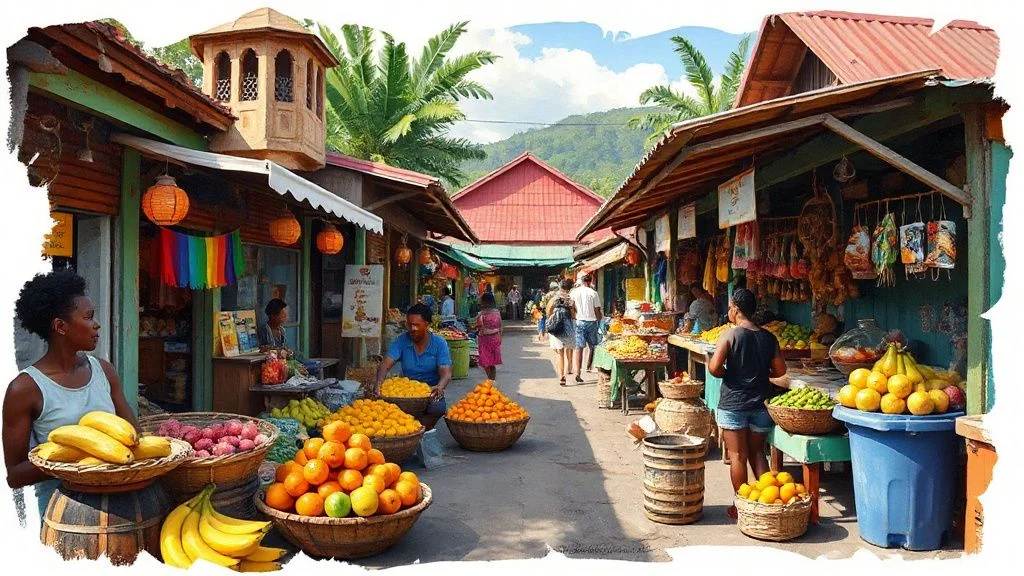
Many expatriates living in Georgetown have shared their experiences regarding tap water. Some report using tap water for showering and brushing teeth but opting for bottled water for drinking and cooking. Freshwater sources are available in local markets, where vendors sell bottled water at various prices. This practice not only ensures safety but also supports local businesses.
- Tap water quality varies by neighborhood; caution is advised.
- Contamination risks include aging infrastructure and environmental pollutants.
- Many expats use bottled water for drinking and cooking.
- Filtered water options are available for a sustainable choice.
- Health issues can arise from drinking contaminated water.
- Stay informed about local water quality updates.
Alternatives to Tap Water
If you decide to avoid drinking tap water, there are several alternatives available in Georgetown. Bottled water is easily accessible at supermarkets and convenience stores throughout the city. Popular brands are often stocked, and larger bottles can be found for family use.
Filtered Water Options
For those who prefer a more sustainable approach, investing in a water filter can be a smart choice. Various types of filters are available, including pitcher filters and faucet-mounted options. These can effectively reduce contaminants and improve taste. Many expats recommend carrying a filtered water bottle when you venture out, which can reduce single-use plastic waste while ensuring you have safe drinking water on hand.
Where to Buy Water
Bottled water is commonly available at various grocery stores, markets, and convenience shops throughout Georgetown. Additionally, larger supermarkets may offer home delivery services for water and other essentials, making it convenient for busy professionals. Make sure to check the seal on bottled water before purchasing to ensure it hasn’t been tampered with.
Health Implications of Drinking Unsafe Water
Drinking contaminated water can lead to various health issues, including gastrointestinal problems, diarrhea, and other infections. For expats who may not be accustomed to local bacteria, these health issues can be especially severe. It’s vital to recognize the signs of waterborne illnesses and seek medical attention if symptoms arise.
Common Health Concerns
Common waterborne illnesses include cholera, giardiasis, and hepatitis A. Symptoms may range from mild stomach discomfort to severe dehydration. If you start feeling unwell after drinking tap water, it’s advisable to consult a healthcare professional familiar with local health issues. Many local clinics in Georgetown provide general healthcare services, ensuring you receive appropriate care.
Staying Hydrated Safely
Staying hydrated is essential, especially in the tropical climate of Guyana. Aim to drink plenty of bottled water or filtered water throughout the day. Many expats enjoy purchasing fresh fruit juices from local vendors, which can be a refreshing alternative. Popular choices include coconut water and locally made fruit punches, which not only hydrate but also showcase the vibrant culinary culture of Guyana.
Practical Tips for Expats
Adapting to life in Georgetown involves understanding local customs and health practices. Here are some practical tips for ensuring safe drinking water:
- Stick to Bottled Water: Purchase bottled water for drinking and cooking. Look for reputable brands and ensure the seals are intact.
- Use Water Filters: Consider investing in a quality water filter for home use. This can provide peace of mind and enhance the taste of your tap water.
- Stay Informed: Regularly check the GWI website or local news for updates on water quality and any advisories regarding tap water.
- Connect with Other Expats: Join local expatriate groups on social media to share experiences and tips about living in Georgetown, including water safety.
- Be Cautious with Ice: If you order beverages, confirm that ice is made from filtered or bottled water to avoid potential contamination.
Cultural Considerations
Understanding the local culture is vital for a smooth transition into life in Georgetown. Guyana is a melting pot of cultures, primarily influenced by indigenous, African, Indian, and European heritages. This diversity is reflected in its culinary practices, social customs, and even water consumption habits.
Community Practices
Many locals, especially in rural areas, may still rely on river water or other natural sources for various needs. This practice is often based on tradition, but it may not be safe for everyone. Engaging with your neighbors and learning about their practices can enrich your experience and help you navigate life in Georgetown more effectively.
Adapting to Local Norms
While bottled water has become the norm among many expats, developing an understanding of local water issues fosters a deeper connection with your new community. You may find that discussing water safety opens up avenues for cultural exchange and friendship-building with locals who can share their insights and experiences.
In conclusion, while tap water in Georgetown is not typically safe for drinking without treatment, there are plentiful alternatives available. Whether you choose bottled water, invest in a water filter, or explore the vibrant local beverage scene, staying hydrated and healthy in Georgetown is manageable. By understanding local water issues and adapting to cultural practices, expats can enjoy their time in this beautiful and diverse country.
Primary Sources
Last updated: October 2026