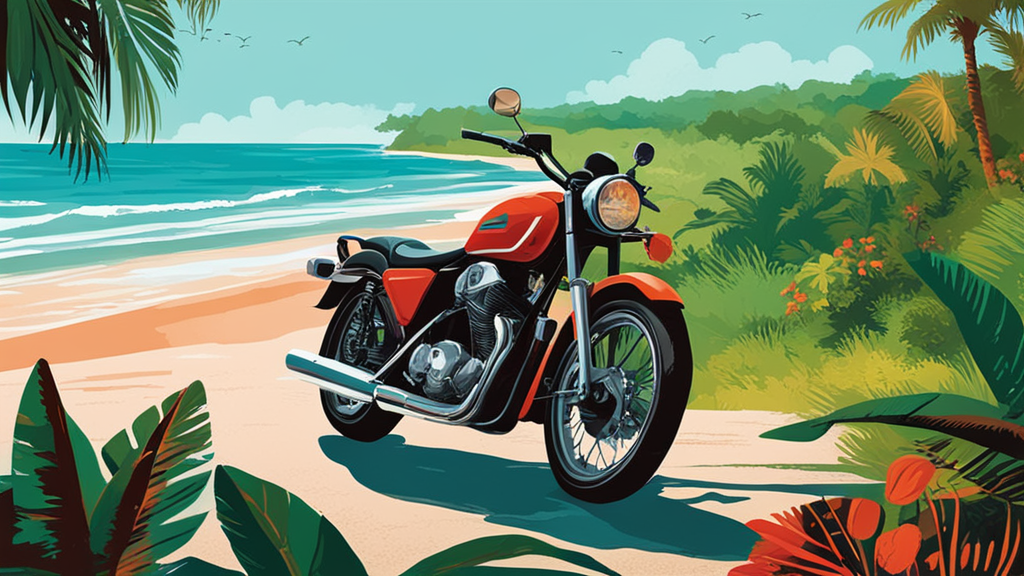
Importing a motorcycle or all-terrain vehicle (ATV) into Guyana can be a complex but rewarding process, allowing expatriates and returning nationals to enjoy the freedom of two or four wheels in their new home. This guide will walk you through the key steps, costs, and considerations involved in making such an importation, ensuring you understand every aspect of the journey ahead.
Understanding the Import Process
Before you dive into the logistics of importing a motorcycle or ATV, it's essential to familiarize yourself with the local regulations and requirements. The Guyanese government has specific import duties, taxes, and documentation processes that need to be followed. Typically, the total cost of importing a vehicle can range from 1.8 to 2.5 times the purchase price when you include taxes, shipping, insurance, and other fees. Understanding this structure will help you budget accordingly.
Required Documentation
To successfully import a motorcycle or ATV into Guyana, you will need several key documents:
- Bill of Lading: This document, provided by your shipping company, serves as proof that your vehicle has been shipped.
- Customs Declaration Form: This form, which you must fill out upon arrival, details the contents of your shipment.
- Proof of Ownership: A copy of the original title or registration of the vehicle is required to establish ownership.
- Insurance Documentation: Proof of insurance coverage for your vehicle while it's in transit is essential.
- Import Permit: You must obtain an import permit from the Guyana Revenue Authority (GRA) before shipping your vehicle.
Customs Duties and Taxes
When calculating the costs associated with importing a motorcycle or ATV, you need to understand the applicable customs duties and taxes. Guyana typically imposes a customs duty based on the CIF (Cost, Insurance, Freight) value of the vehicle. The duty rates may vary depending on the age and engine size of the vehicle. For motorcycles, the customs duty can range from 0% to 60%, depending on these factors. For example, a motorcycle over four years old may attract lower duties compared to a new one. Always verify the latest rates directly with the GRA to avoid any surprises.
Shipping Your Motorcycle or ATV
Choosing the right shipping method is crucial for a smooth import process. There are typically two main methods for shipping motorcycles and ATVs to Guyana: container shipping and Roll-on/Roll-off (RoRo) shipping.
Container Shipping
Container shipping is ideal for those who want additional security for their vehicles. This method involves placing your motorcycle or ATV in a shipping container, which protects it from the elements during transit. The cost of container shipping can vary based on the size of the container and the shipping company you choose. Typically, a 20ft container can hold a couple of motorcycles or ATVs, making it a cost-effective option for those importing multiple vehicles.
RoRo Shipping
RoRo shipping is a more straightforward option where your motorcycle or ATV is driven onto a specialized vessel designed to carry vehicles. This method is often less expensive than container shipping, but it does expose your vehicle to the elements during transport. If you opt for RoRo, ensure that your motorcycle or ATV is well-prepared for the journey, including securing any loose parts and ensuring the battery is charged.
Costs Involved in Importing
Understanding the costs associated with importing a motorcycle or ATV into Guyana is vital for planning your budget. In addition to shipping costs, you’ll need to account for customs duties, taxes, and potential fees for inspections or registration. Below is a breakdown of typical costs:
- Shipping Costs: Depending on the shipping method, costs may range from USD 600 to USD 1,200.
- Customs Duties: Based on the engine size, duties can range from 0% for older models to 60% for newer, high-capacity engines.
- Insurance: Expect to pay around 1-2% of the vehicle's value for insurance during transit.
- Registration Fees: Once your motorcycle or ATV arrives, registration with the local authorities will also incur costs, typically around GYD 10,000.
Practical Tips for Expats
Moving to a new country comes with its challenges, but there are practical steps that can ease the transition when importing your motorcycle or ATV into Guyana.
Choose a Reputable Shipping Company
Research several shipping companies that specialize in vehicle imports to Guyana. Look for reviews from other expats to gauge their reliability and customer service. A reputable company will guide you through every step of the process, ensuring that your motorcycle or ATV arrives safely and on time.
Inspect Your Vehicle Before Shipping
Before shipping, ensure your motorcycle or ATV is in excellent working condition. Take the time to clean it thoroughly and document any existing scratches or damages with photos. This can help in case of disputes with shipping companies or customs officials upon arrival in Guyana.
Familiarize Yourself with Local Traffic Laws
Driving in Guyana is on the left side of the road, which may take some getting used to if you are accustomed to right-side driving. Familiarize yourself with local traffic laws, road conditions, and common driving practices. Major cities like Georgetown can be busy, and understanding local driving etiquette can enhance your experience.
Conclusion
Importing a motorcycle or ATV into Guyana is a feasible process that requires careful planning and attention to detail. By understanding the documentation, costs, and shipping options, expatriates can make informed decisions and enjoy the freedom of riding in their new home. Remember to verify all information with official sources, as regulations can change. With the right preparation, you can successfully navigate the import process and hit the roads of Guyana with confidence.
Exchange rate used in this article: 1 USD = 209.2919 GYD (rate as of 2026-10-12T04:40:20.757389+00:00, source: measured from Guyanese property listings, not a bank rate).