Shipping barrels from the United States to Guyana can be a practical solution for expatriates and returning diaspora professionals looking to send personal belongings, tools, or even supplies for business. This article explores what items can typically fit in barrels, the shipping process, and the customs regulations you must navigate to ensure a smooth arrival in Georgetown.
Understanding Barrel Shipping
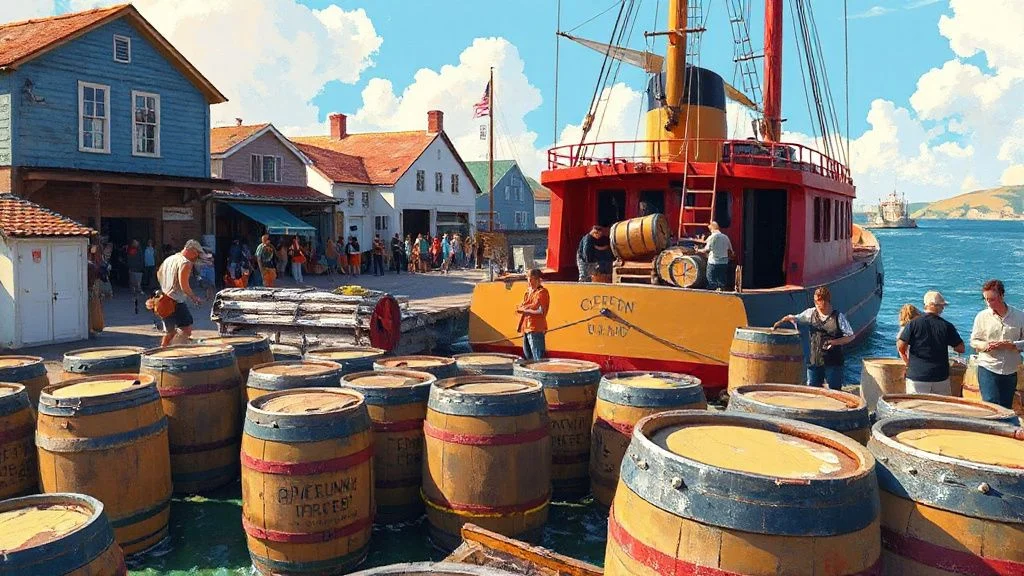
Barrel shipping is a popular method for transporting goods overseas, particularly for expatriates who need to move larger items that do not fit in standard luggage. A standard 55-gallon barrel is the most common size used for shipping. Depending on the contents, these barrels can be loaded onto shipping containers, which can be either 20ft or 40ft in size, allowing for many barrels to be shipped simultaneously.
What Fits in a Barrel?
When considering what to pack in a barrel, it’s essential to think about both weight and volume. Typically, you can fit a variety of items in a barrel, including:
- Household Goods: Items like linens, clothing, kitchenware, and small appliances can be packed neatly. Be mindful of the weight limit, as barrels can get heavy quickly.
- Tools and Equipment: If you’re relocating for work, consider packing tools or equipment relevant to your profession. Just ensure they comply with customs regulations.
- Non-Perishable Food Items: Many expatriates ship spices, dry goods, or even canned foods that are hard to find in Guyana. These are often welcomed, provided they are sealed and labeled correctly.
It's important to note that certain items are prohibited or restricted, so always check with shipping providers to confirm what can be included in your barrels.
Shipping Process Overview
The shipping process typically involves several key steps, from selecting a shipping provider to preparing your items for transport. Here’s what you need to know:
Selecting a Shipping Provider
Choosing the right shipping provider is vital to ensure your goods arrive safely and on time. Many logistics companies offer specialized services for barrel shipping. When selecting a provider, consider the following:
- Reputation: Look for reviews or testimonials to gauge the reliability of the shipping company.
- Transit Times: Shipping times can vary; express options may take as little as 2-4 days, while ocean freight could take 4-8 weeks depending on consolidation schedules. Be sure to ask about estimated delivery times.
- Tracking Services: Ensure the provider offers tracking services, so you can monitor your shipment's progress.
Preparing Your Items for Shipment
Once you’ve selected a shipping provider, the next step is preparing your items. This involves:
- Packing: Use packing materials wisely to prevent damage. Bubble wrap and packing peanuts can help protect fragile items.
- Labeling: Clearly label your barrels with your contact information and a detailed list of contents. This is crucial for customs clearance.
- Documentation: Prepare necessary documentation, including a commercial invoice, packing list, and any other required forms from your shipping provider.
Customs Regulations in Guyana
Understanding customs regulations is critical for a smooth shipping experience. The Guyana Revenue Authority (GRA) oversees customs in the country, and they have strict guidelines for what can be imported.
Value Added Tax (VAT) and Duties
When shipping goods to Guyana, a standard Value Added Tax (VAT) of 16% is typically applied to most imports. This tax is calculated based on the CIF value, which includes the cost of goods, insurance, and freight. For example, if your total shipment value is $1,000 USD, you can expect to pay approximately $160 USD in VAT.
Additionally, there may be import duties depending on the type of goods you are sending. It’s advisable to consult with your shipping provider or the GRA for specific duty rates applicable to your shipment.
Prohibited and Restricted Items
Be aware that certain items are prohibited or restricted from being shipped into Guyana. Common prohibited items include:
- Illegal drugs and substances
- Firearms and ammunition
- Certain food items, such as fresh produce or meats
Restricted items may require special permits or inspections, so always verify regulations before packing.
Practical Tips for Expatriates
Shipping barrels can be a daunting task, especially if it’s your first time. Here are some practical tips to make the process easier:
Plan Ahead
Shipping can take time, so plan your move well in advance. If you’re relocating for work, ensure your barrels arrive before your start date. This may require coordinating with your employer regarding shipping logistics.
Stay Informed
Keep yourself updated on any changes in customs regulations or shipping guidelines. The landscape can change, especially with the growing economy in Guyana driven by the oil sector. Regularly check the GRA website or consult your shipping provider for the latest information.
Cultural Considerations
Guyana’s culture is diverse, and understanding local customs can help ease your transition. For example, while shipping food items is common, some locals may have dietary restrictions or preferences that differ from what you are accustomed to in the US or Canada. Familiarizing yourself with local markets and food options can be beneficial.
Conclusion
Shipping barrels from the United States to Guyana offers a practical route for expatriates and returning professionals to transport their belongings. By understanding what can fit in barrels, the shipping process, and customs regulations, you can navigate this aspect of your relocation with greater confidence. Remember to plan ahead, stay informed, and embrace the local culture as you settle into your new home.