Moving to a new country can be both exciting and challenging, particularly when it comes to understanding and integrating into a new culture. In Guyana, the only English-speaking country in South America, the vibrant blend of cultures offers a unique experience for expatriates and returning diaspora professionals. This article provides actionable insights on how to effectively meet and integrate with Guyanese society as a foreigner.
Understanding Guyanese Culture
Guyanese culture is a tapestry woven from diverse ethnic backgrounds, including Indo-Guyanese, Afro-Guyanese, Amerindian, and others. This diversity is reflected in the country's festivals, foods, and social norms. The 2012 census indicated that approximately 40% of the population identifies as Indo-Guyanese, while Afro-Guyanese make up about 29%. The mixed and Amerindian populations contribute to the rich cultural landscape.
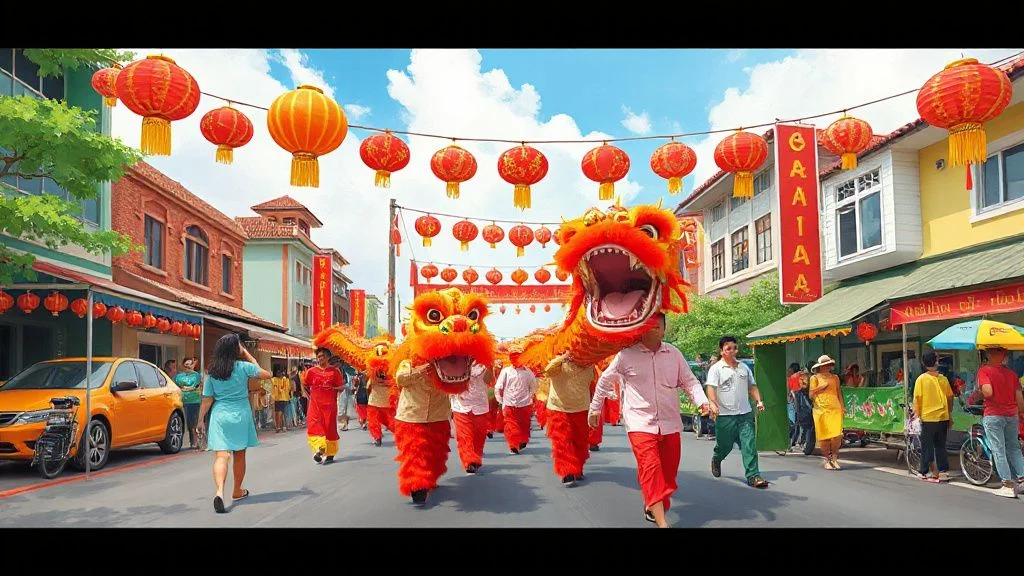
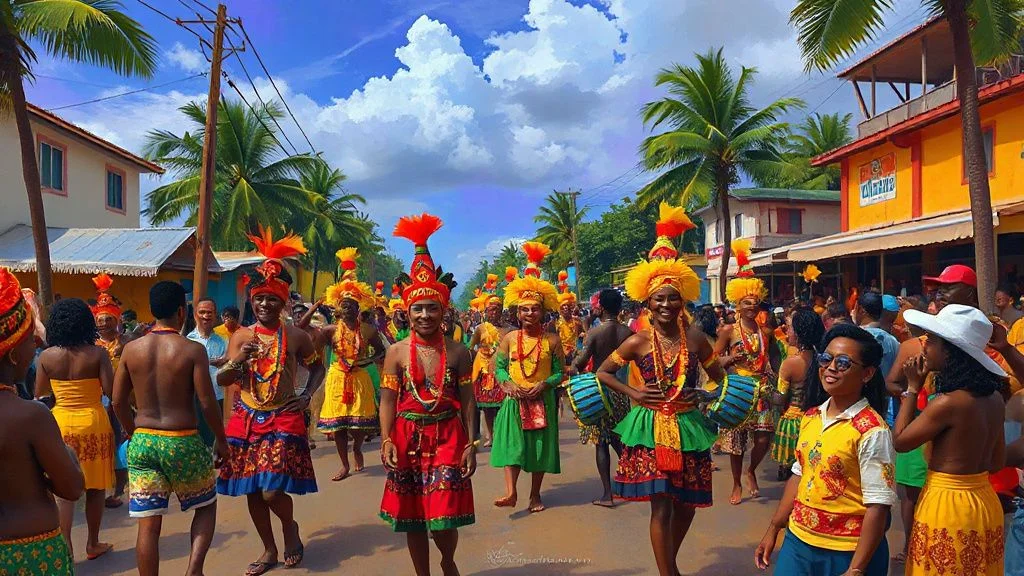
Key festivals such as Phagwah (Holi) in March, Diwali in October/November, and Mashramani (Republic Day) on February 23 offer expatriates a wonderful opportunity to engage with local traditions. Participating in these celebrations can facilitate connections with local communities and foster a sense of belonging. For instance, during Mashramani, the streets come alive with parades, music, and dance, showcasing the colorful heritage of the nation.
Language and Communication
While English is the official language, Guyanese Creole is the most commonly spoken language. This local dialect incorporates elements of English, African languages, and Hindi, resulting in a unique linguistic flavor. Understanding some basic phrases in Guyanese Creole can significantly enhance your interactions with locals. Common greetings such as "How yuh doing?" or "Wha' happen?" can break the ice and show your willingness to embrace the local culture.
Be mindful of cultural nuances in communication. Guyanese people often use humor and storytelling as a means of connection. When engaging in conversations, be open to different perspectives and enjoy the light-hearted banter that characterizes many interactions. This will not only help you build rapport but also demonstrate your interest in their culture.
Establishing Connections
Building a network is essential for integration. Start by participating in community events, workshops, or local clubs that align with your interests. For instance, joining a local cricket team or attending cultural workshops can introduce you to new friends while immersing you in Guyanese culture. Many neighborhoods also have community centers where cultural events and classes are held—these can be excellent venues for meeting people.
Social media platforms and local expat groups can also be valuable resources for connecting with fellow expatriates and locals. Websites and forums dedicated to expatriate life often share insights about social gatherings and cultural events. Engaging in conversations online can lead to real-life connections and friendships.
Dining and Social Etiquette
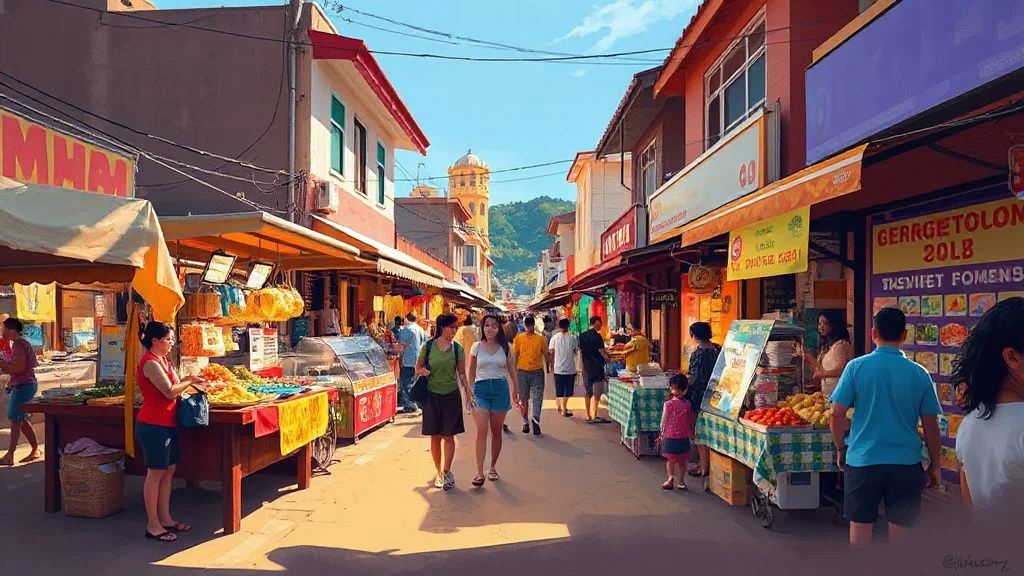
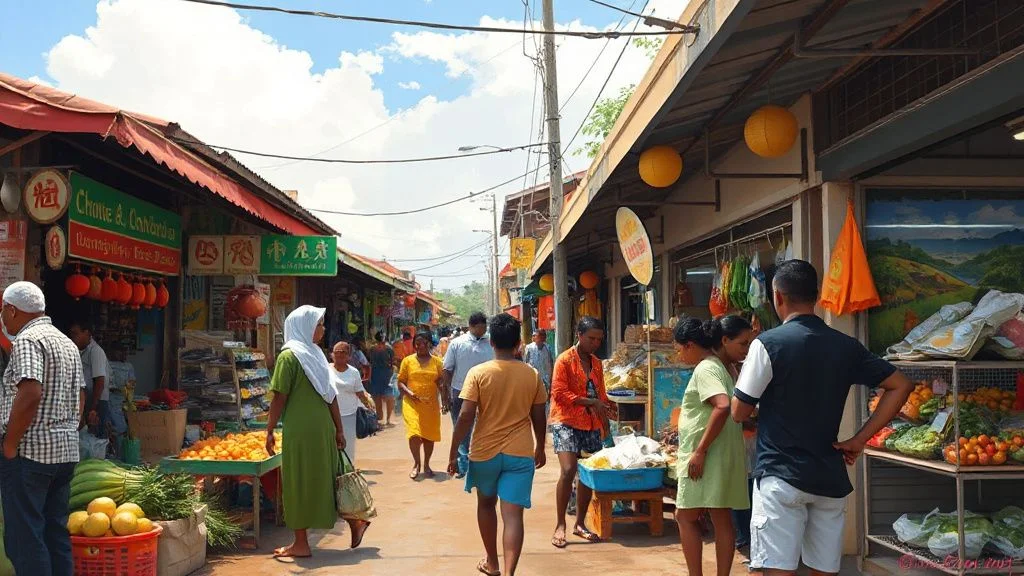
Food is a central aspect of Guyanese culture, and sharing a meal is a common way to bond with others. Local dishes, such as pepperpot, roti, and black cake, are not only delicious but also represent the country’s multicultural heritage. Invite local friends to dine at their favorite restaurants or homes; sharing food can foster deeper relationships and understanding of their culture.
When dining out, it’s customary to greet the staff and acknowledge their service with a smile. Tipping is generally appreciated, with a standard of around 10-15% on the total bill. In social gatherings, it’s polite to wait for the host to begin the meal before digging in. These small gestures can demonstrate respect for local customs and enhance your social standing within the community.
Participating in Community Service
Engaging in community service or local initiatives is a meaningful way to integrate into Guyanese society. Many expatriates find fulfillment in volunteering for local charities, schools, or environmental organizations. These experiences not only allow you to contribute positively to the community but also provide opportunities to meet like-minded individuals who share your interests in making a difference.
Organizations often welcome volunteers with various skills, whether it's teaching, mentoring, or providing support for community projects. For example, participating in literacy programs or environmental clean-up drives can create avenues for interaction and collaboration with locals, fostering mutual respect and friendship.
What Expats Should Know: Practical Tips
- Be Respectful: Understand that Guyana has a complex history, and some locals may have varying opinions about foreigners. Approach conversations with sensitivity and respect for their perspectives.
- Adapt to Local Customs: Embrace the pace of life in Guyana, which can be more relaxed compared to North America or the UK. Patience is vital when dealing with bureaucracy or service industries.
- Dress Modestly: While Georgetown is more cosmopolitan, dressing modestly is appreciated in rural areas and during cultural events. Avoid overly revealing outfits.
- Stay Informed: Keep up with local news and cultural trends. Understanding current events can provide a basis for conversations and help you navigate social dynamics.
- Build Trust: Relationships in Guyana can take time to develop. Be consistent in your interactions and demonstrate reliability to build trust with locals.
Conclusion
Integrating into Guyanese society as a foreigner can be a rewarding experience filled with opportunities for personal growth and cultural exchange. By understanding and respecting local customs, engaging in community activities, and building meaningful connections, expatriates can create a fulfilling life in this vibrant country. Embrace the diversity, participate in local traditions, and remain open to learning from the rich cultural tapestry that makes Guyana unique.
Primary Sources
Last updated: October 2026