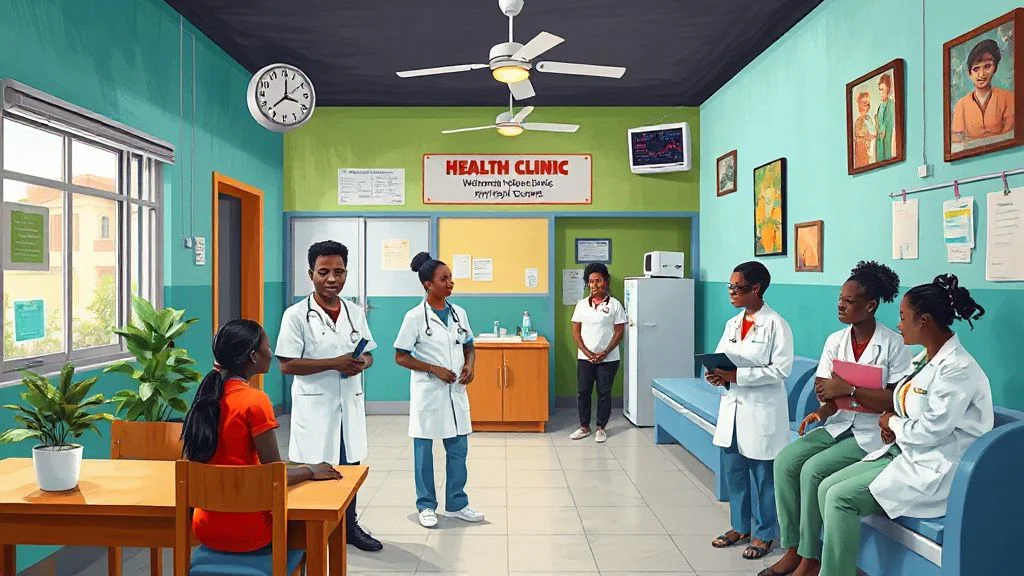
Relocating to Guyana or returning after years abroad presents unique healthcare challenges and opportunities. Understanding the local health screening and preventive checkup landscape is vital for expatriates and returning diaspora professionals. This article provides a comprehensive overview of available services, what to expect, and tips for maintaining your health in this vibrant country.
Understanding Health Screening in Guyana
Health screening is a proactive approach to detect potential health issues before they become serious. In Guyana, the healthcare system has made significant strides in recent years, particularly with the collaboration between the government and international organizations. The Government of Guyana, in conjunction with the Mount Sinai Health System, is working towards a more robust healthcare framework, focusing on preventive care and early detection.
Typically, health screenings in Guyana include a range of tests to identify conditions such as hypertension, diabetes, and various cancers. For expatriates accustomed to North American or UK healthcare systems, the availability and types of screenings may vary, but there are several reputable facilities in Georgetown and beyond that cater to diverse needs.
Key Health Screening Options
In Georgetown, several clinics and health facilities offer comprehensive health screenings. The Georgetown Public Hospital Corporation, for instance, is a primary healthcare facility where expatriates can receive a variety of services, including routine checkups and specialized screenings. Services offered typically include:
- Blood pressure and cholesterol checks
- Diabetes screening (blood glucose tests)
- Cancer screenings, such as mammograms and prostate exams
- HIV and sexually transmitted infection (STI) screenings
One notable initiative is the establishment of a national cancer center, aimed at providing essential cancer screening and treatment options. Starting with breast, cervical, and prostate cancer screenings, this center is set to enhance the early detection of these common cancers, which have been significant health concerns in Guyana.
Preventive Checkups: What to Expect
Preventive checkups are essential for maintaining overall health and well-being. In Guyana, these checkups typically involve a thorough assessment by a healthcare provider, who will evaluate your medical history, conduct a physical examination, and recommend necessary screenings based on your age, gender, and risk factors.
For expatriates, it is advisable to prepare a list of any pre-existing conditions or medications you may be taking. This information will help local healthcare providers tailor their recommendations to your specific needs. Common components of a preventive checkup in Guyana may include:
- Comprehensive physical examination
- Vaccination updates (including travel-related vaccines)
- Health risk assessments based on lifestyle factors
- Laboratory tests for cholesterol, blood sugar, and other relevant markers
Recommended Frequency of Checkups
The frequency of preventive checkups can depend on several factors, including age, health status, and lifestyle choices. Generally, adults are advised to have a checkup at least once a year. However, those with chronic conditions may require more frequent visits. For expatriates, understanding local healthcare practices can help you navigate the system more effectively.
For example, if you are over 40, you should consider annual screenings for blood pressure, diabetes, and cholesterol levels. Additionally, women may benefit from annual pelvic exams and mammograms, while men may need prostate screenings starting at age 50.
Accessing Healthcare Services in Guyana
Accessing healthcare services in Guyana is becoming increasingly straightforward, thanks to ongoing improvements in the healthcare system. Facilities such as the Kitty Health Centre provide a variety of services, including maternal and child health, chronic disease management, and preventive health services. These centers often have extended hours and are accessible to the public.
For those living in or near Georgetown, private clinics and hospitals also offer more personalized care, often with shorter wait times. These facilities may also have English-speaking staff, which can ease communication barriers for expatriates. Some of the services you can expect include:
- General practice consultations
- Lab services for comprehensive blood work
- Wellness programs focusing on nutrition and exercise
- Access to specialists for specific health concerns
Cost Considerations
Understanding the cost of healthcare services in Guyana is essential for expatriates. While prices can vary depending on the facility and services rendered, it is helpful to know that many services are generally more affordable than in North America or the UK. For instance, a typical health screening might cost around 4,000 GYD (approximately $19.11 USD). More comprehensive checkups can range from 10,000 GYD to 25,000 GYD (roughly $47.78 to $116 USD), depending on the tests included.
Expatriates are encouraged to confirm prices directly with healthcare providers and explore any available health insurance plans that could cover preventive care. It's also wise to keep receipts for any medical expenses, as some insurers may offer reimbursement for out-of-pocket costs.
Practical Tips for Expatriates
As an expatriate in Guyana, adapting to the local healthcare system can be smoother with a few insider tips:
- Familiarize Yourself with Local Facilities: Visit nearby healthcare facilities to understand their services and hours of operation. Knowing your options in advance can save time in emergencies.
- Build a Relationship with a Local Doctor: Establishing a rapport with a healthcare provider can lead to personalized care and better health outcomes. Regular visits can help build trust and ensure you receive appropriate screenings and advice.
- Stay Informed About Health Initiatives: Keep abreast of public health initiatives, as these can impact your access to services and the types of screenings available. The national health initiative aims to improve healthcare access, which could benefit expatriates.
- Prioritize Vaccinations: Ensure that your vaccinations are up to date. Consult with your healthcare provider about any travel-related vaccines you may require based on your planned activities in Guyana.
- Engage in Community Health Programs: Many local organizations offer health education and preventive care programs. Participating in these can provide valuable insights into maintaining your health in the local context.
Conclusion
Health screening and preventive checkups are fundamental aspects of maintaining well-being, especially for expatriates and returning diaspora professionals in Guyana. By understanding the available options, accessing suitable healthcare facilities, and staying proactive about your health, you can navigate the local healthcare landscape effectively. Embrace the opportunities for preventive care and stay engaged with your health to make the most of your time in this vibrant country.
Exchange rate used in this article: 1 USD = 209.2919 GYD (rate as of 2026-10-21T04:40:21.106467+00:00, source: measured from Guyanese property listings, not a bank rate).