As an expatriate in Guyana, understanding the local language dynamics is crucial for navigating daily life. English is the official language, but the everyday spoken language is often a local Creole. This article will explore how English is used in daily errands, the nuances of communication, and practical tips for expats to thrive in this vibrant, multicultural society.
Language Landscape in Guyana
Guyana is the only English-speaking country in South America, a legacy of its colonial past under British rule until independence in 1966. While English is the official language, you will encounter a local Creole in daily interactions. This Creole blends elements from various languages, including English, African dialects, and Indigenous languages, creating a unique way of communication that is prevalent in informal settings.
In urban areas like Georgetown, you will find that most people, regardless of their ethnic background, can communicate effectively in English. This makes it easier for expats to conduct errands, shop, and engage socially. However, understanding the nuances of the local Creole can enhance your interactions and help you feel more integrated into the local culture. For instance, the phrase "Wah happen?" translates to "What happened?" or "What's going on?" in standard English, commonly used when greeting friends or acquaintances.
Daily Errands and Shopping
When engaging in daily errands, expats will find that English is predominantly used in formal settings such as banks, government offices, and many retail environments. If you need to visit a grocery store, pharmacy, or market, you will likely encounter staff who are fluent in English and can assist you with your needs. This familiarity with English facilitates smoother transactions and reduces confusion.
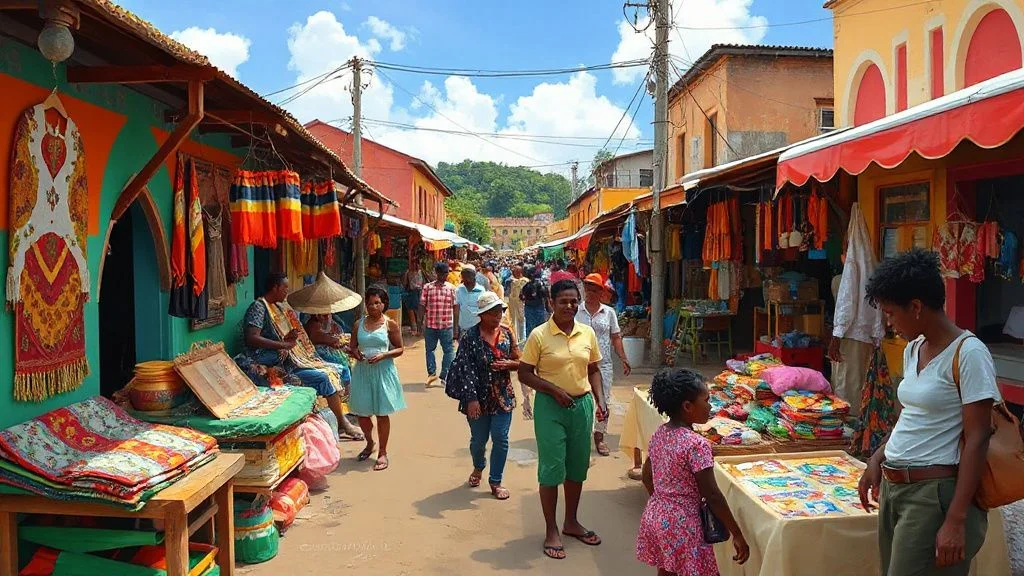
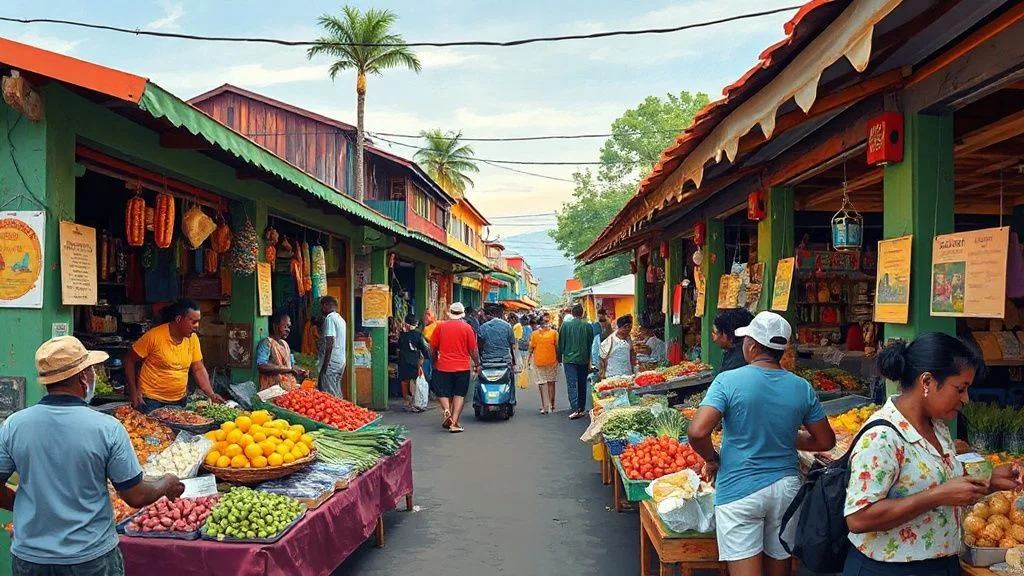
The local markets are vibrant hubs where you can buy fresh produce, spices, and local crafts. While vendors may primarily speak the local Creole, they often switch to English when interacting with expats. Haggling is a common practice in these markets, and knowing basic greetings or phrases in Creole can help establish rapport with vendors. For example, starting with "Good morning" or "How much for this?" in Creole can earn you goodwill and possibly a better price.
Understanding Cultural Nuances
Engaging with locals goes beyond just language; understanding cultural nuances is equally important. Guyanese society is multicultural, with influences from various communities. Each group contributes to the rich tapestry of local customs and communication styles.
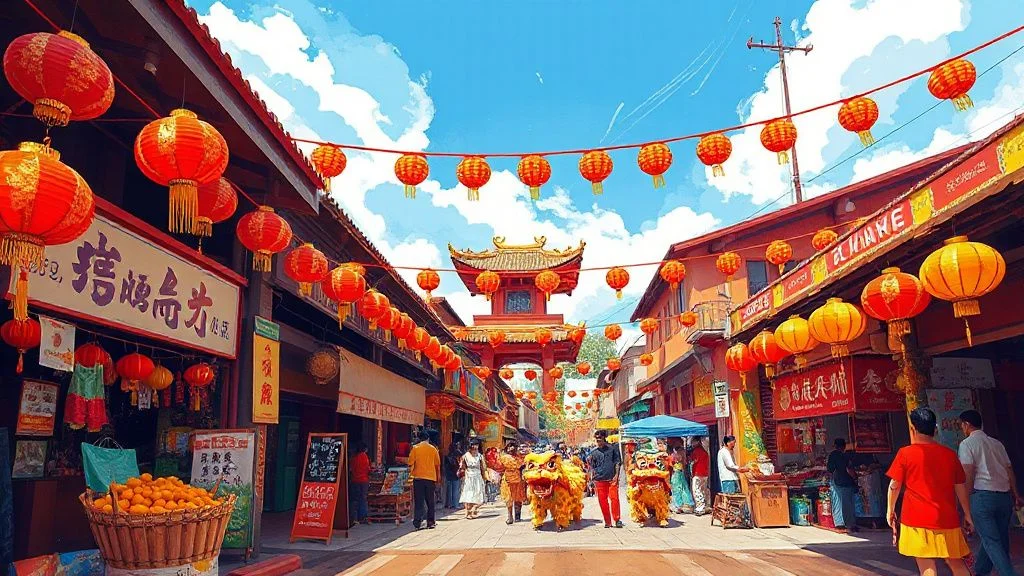
For example, during festivals, you may encounter different greetings and expressions relevant to the celebrations. Being aware of these cultural contexts can enhance your social interactions and help you build meaningful relationships with your neighbors and colleagues. For instance, during certain festivals, you might hear "Happy celebrations!" in English, but you may also be greeted with local expressions relevant to the occasion.
Social Interactions and Community Events
Social gatherings are an integral part of life in Guyana, and English plays a significant role in these interactions. Whether you are attending a cricket match at a local stadium or participating in a community event, you will find that English is widely spoken. Cricket is particularly significant in Guyanese culture, and matches often serve as social events where community members come together.
At such events, you may notice a blend of English and Creole in conversations. Understanding common phrases and expressions can help you feel more comfortable. For example, you might hear "Yuh see dat?" meaning "Did you see that?" when cheering for a player. Engaging in conversations about cricket, local culture, or food can serve as excellent icebreakers when meeting new people.
Practical Tips for Expats
1. Learn Basic Phrases in Creole
While English is widely used, picking up some basic phrases in the local Creole can enrich your experience and show respect for the local culture. Common phrases like "How yuh do?" (How are you?) and "Nuh worry" (Don't worry) can help you connect with locals more effectively.
2. Be Patient and Observant
In busy markets or social settings, communication may not always be straightforward. Be patient and observant. Listen carefully to how locals interact and adjust your style accordingly. You might have to clarify or repeat your questions, especially if you encounter strong accents or rapid speech.
3. Use Technology to Assist
Smartphone apps can assist with language translation if you find yourself in challenging situations. Downloading translation apps can facilitate conversations when you encounter vendors who may not speak English fluently. This can also apply to reading signs or menus that may have mixed language content.
4. Participate in Cultural Events
Engaging in local festivals or community events is an excellent way to immerse yourself in the culture. Not only will you practice your language skills, but you will also gain insights into the traditions and values of the diverse communities in Guyana. Keep an eye on local calendars for events where you can witness parades, music, and traditional dances.
Conclusion
In summary, English is not only the official language in Guyana, but it is also the primary means of communication for expatriates navigating daily life. While you will find English is used in formal settings, learning some basic local Creole phrases can greatly enhance your social interactions and help you integrate into the vibrant culture. Embrace the multicultural environment, engage with locals, and immerse yourself in community events to enrich your experience in this unique country. With patience and an open mind, you will find that daily errands can become an enjoyable part of your expat journey in Guyana.