For expatriates and returning professionals considering a move to Guyana, understanding the logistics of transshipment through Port of Spain is vital. This article will explore how this transshipment hub can streamline your relocation process, reduce shipping costs, and provide valuable insights into navigating life in Guyana.
What is Transshipment and Why is it Important?
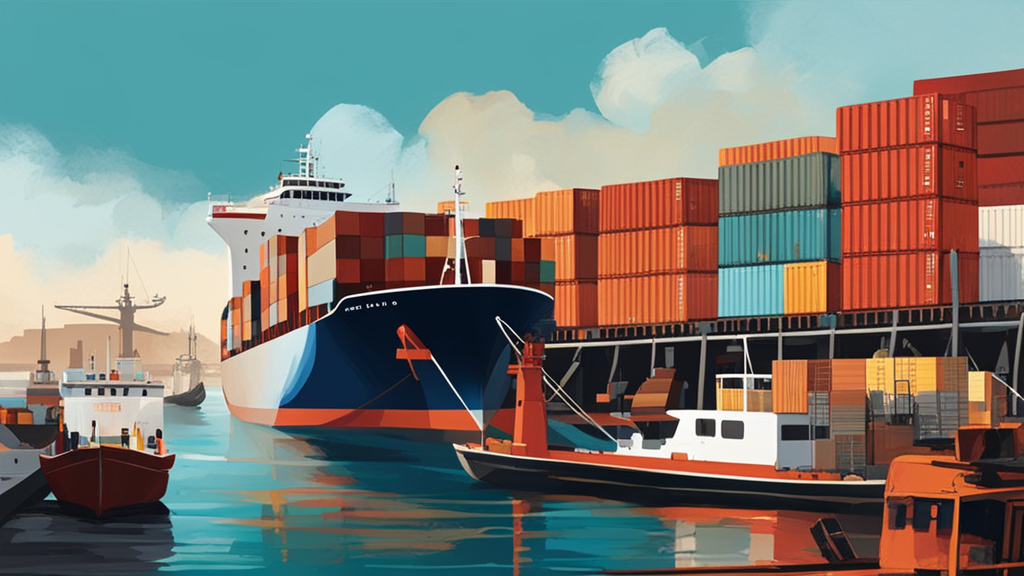
Transshipment refers to the process of transferring goods from one vessel to another at an intermediate port before reaching their final destination. In the context of shipping to Guyana, Port of Spain serves as a significant transshipment hub within the Caribbean. This port is strategically located, providing a vital link between international shipping routes and Guyana's developing economy, particularly as it relates to the oil and gas sector.
For expatriates moving to Guyana, the benefits of utilizing Port of Spain for transshipment are numerous. Firstly, it allows for more efficient shipping routes. Instead of shipping directly to Georgetown, which may not be feasible for larger vessels, goods can be transported to Port of Spain and then transferred to smaller feeder vessels that are better suited for navigating the local waterways.
Cost Efficiency
Transshipment often leads to significant cost savings, which is a crucial consideration for expatriates. Shipping lines operate larger vessels on major routes, which results in lower costs per container. Conversely, smaller feeder vessels that operate in the Caribbean tend to have higher costs due to limited capacity and higher operational expenses. By consolidating shipments at Port of Spain, you can benefit from the economies of scale offered by larger vessels while enjoying the flexibility of local distribution.
For example, if you are shipping household items, the cost of transporting these items directly to Georgetown may be prohibitive. Utilizing a transshipment route via Port of Spain can reduce overall shipping expenses, allowing you to allocate those savings toward essential costs like housing or settling-in expenses upon arrival in Guyana. Ask your freight forwarder or the shipping line for current rates on your route.
The Role of Port of Spain in Guyana's Logistics
Port of Spain is not just a transshipment point; it plays a crucial role in the supply chain for Guyana, especially in light of the country's booming oil and gas industry. Major shipping lines regularly connect to Port of Spain, providing access to a wide array of international markets. This connectivity is essential for ensuring that goods, equipment, and supplies necessary for the oil sector, as well as those for daily life, reach Guyana efficiently.
Moreover, Port of Spain serves as a focal point for logistics companies that specialize in handling transshipment cargo. These companies can assist expatriates in navigating the complexities of customs clearance and documentation requirements, ensuring that your belongings arrive without unnecessary delays. Engaging a logistics provider who has experience with transshipment processes can be immensely helpful for newcomers, as they can provide tailored advice and manage the intricacies of shipping logistics on your behalf.
Customs and Clearance Considerations
When utilizing Port of Spain for transshipment, it's vital to understand the customs regulations involved. Typically, shipments sent to Guyana will need to clear customs upon arrival, and this process can vary depending on the nature of the goods being shipped. For instance, personal effects may be subject to different regulations compared to commercial goods.
To avoid complications, ensure you have all required documentation prepared in advance. This includes invoices, packing lists, and any necessary permits. Working with a reputable customs broker can streamline this process, as they will be familiar with the specific requirements for Guyanese customs and can facilitate the clearance of your goods upon arrival at Port of Spain and subsequently at Georgetown.
Practical Experience: Navigating Transshipment
Many expatriates have successfully navigated the transshipment process through Port of Spain with relative ease. One common experience involves families relocating for work in Guyana. They often find that shipping their household items in bulk via a transshipment route allows them to maximize their shipping costs while ensuring that their belongings arrive in a timely manner.
For example, a family moving from Canada to Georgetown might choose to ship their belongings to Port of Spain first. After unloading, the items are transferred to a smaller vessel that directly services Georgetown. This process not only alleviates concerns about delays associated with large vessels but also ensures that the family can settle into their new home more quickly.
Local Adaptation: Cultural Nuances
Understanding the cultural nuances of Guyana can also alleviate some of the stress associated with relocation. Expatriates often find that engaging with local communities helps ease the transition. Participating in local markets, such as Stabroek Market in Georgetown, allows newcomers to familiarize themselves with the local culture while sourcing fresh produce and household goods.
Additionally, establishing connections with local organizations or expat groups can provide valuable support during this transitional period. These groups often share information about local customs, social norms, and practical tips for daily living in Guyana, which can help expatriates navigate their new environment more effectively.
What Expats Should Know
As you prepare for your move to Guyana through Port of Spain, consider the following practical tips:
- Plan Ahead: Begin your shipping arrangements well in advance. This includes securing quotes from logistics providers and booking shipping space as early as possible to avoid delays.
- Choose the Right Shipping Options: Investigate different shipping lines that service Port of Spain to find the most reliable and cost-effective options for your needs.
- Stay Informed: Keep up to date with regulations regarding customs and duties in Guyana, as these can change and may impact your shipping process.
- Network with Other Expats: Connecting with other expatriates can provide insights and tips about the transshipment process and living in Guyana.
- Be Patient: The transshipment process can sometimes lead to unforeseen delays. Maintaining flexibility and patience will help ease the transition.
Conclusion
Transshipment through Port of Spain offers a strategic advantage for expatriates relocating to Guyana. By leveraging this hub, you can benefit from reduced shipping costs, efficient logistics, and a smoother transition into your new life. Understanding the nuances of the shipping process and engaging with local communities will further enhance your experience. As Guyana continues to grow in its economic landscape, being well-prepared will enable you to thrive in your new environment.