As expatriates and returning diaspora professionals consider relocating to or living in Guyana, understanding the landscape of special needs education is crucial. This article outlines the support available for children with special needs in Guyana, including government initiatives, educational institutions, and community resources that can aid families in navigating this essential aspect of life.
What can we help you with?
Three short questions, then just how to reach you. No account needed.
Government Initiatives for Special Needs Education
The Guyanese government has made significant strides in promoting inclusive education for children with special needs. This commitment was solidified with the enactment of legislation aimed at creating inclusive classrooms across the country. According to a report from the Guyana government, these initiatives include training teachers, providing resources, and developing specialized programs tailored to meet the diverse needs of children with disabilities (source: DPI, Aug 26, 2025).
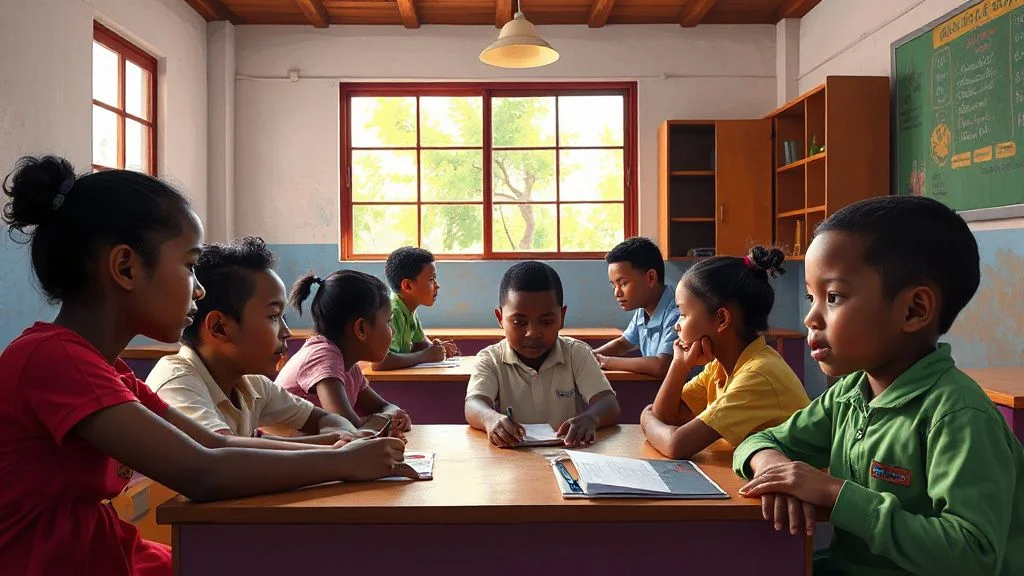
To enhance the educational experience, schools across Guyana are adopting inclusive teaching methods. These methods focus on integrating children with special needs into mainstream classrooms, allowing them to learn alongside their peers. This approach not only benefits children with disabilities but also enriches the educational environment for all students, promoting empathy and understanding.
Training and Resources for Educators
Recognizing the importance of well-equipped educators, the government has invested in training programs for teachers specializing in special needs education. These programs provide teachers with the skills necessary to identify and address various learning disabilities and developmental delays. Additionally, schools are encouraged to develop individualized education plans (IEPs) that cater to each child's unique challenges and strengths. Such personalized attention is vital in ensuring that children with special needs receive the support they require throughout their educational journey.
Educational Institutions for Special Needs
In Georgetown and other regions, several institutions cater specifically to children with special needs or offer specialized programs. International schools, such as the Georgetown International Academy, provide diverse curricula that include support for children with disabilities. These institutions are equipped with trained staff and facilities designed to accommodate various needs. For example, the annual tuition for elementary education at such institutions can be around $23,300 (2026-04-01) (source: U.S. Department of State, April 2026).
Moreover, middle and high school programs also exist for children with special educational needs, with annual fees reaching approximately $28,500 (2026-04-01) and $28,500 (2026-04-01) respectively (source: U.S. Department of State, April 2026). These fees reflect the quality of education and the resources available, making them a valuable option for expatriate families.
Integration into Mainstream Education
For expatriate families, integrating children with special needs into mainstream schools is often a priority. Many local schools are now adopting inclusive practices, which means that children with disabilities can participate in regular classes with support. This integration fosters a sense of belonging and allows children to develop social skills alongside their peers. Parents should inquire about the availability of support staff, such as special education teachers or aides, who can assist their children in navigating the school environment.
Community Support and Resources
In addition to educational institutions, various community organizations in Guyana provide support for families with children who have special needs. These organizations often host workshops, support groups, and events that aim to raise awareness about disabilities and promote inclusivity. One such organization is the Guyana Society for the Blind, which focuses on providing resources and support to families of visually impaired children. Their programs include orientation and mobility training, as well as educational materials to assist in learning.
Furthermore, community centers often offer recreational programs specifically designed for children with disabilities. These programs provide opportunities for social interaction and skill development through sports, arts, and other activities tailored to different abilities. Participating in these community initiatives can significantly enhance a child's confidence and social skills.
Parental Involvement and Advocacy
Parents play a crucial role in the educational journey of their children with special needs. Active participation in school meetings, advocating for their children's rights, and collaborating with teachers to ensure their child receives appropriate support are essential steps. Additionally, connecting with other parents can provide valuable insights and shared experiences, fostering a supportive network. Expat families can benefit from joining local social media groups or community forums focused on special needs education to share resources and recommendations.
Practical Tips for Expats
For expatriate families considering relocating to Guyana, here are some practical tips to navigate the special needs education landscape:
- Research Local Schools: Before moving, research schools in the area that cater to children with special needs. Reach out to the administration to inquire about their programs and support services.
- Connect with Other Expat Families: Joining expat groups can help you connect with other families who have experience navigating the education system in Guyana. They can provide valuable insights and recommendations.
- Utilize Government Resources: Familiarize yourself with government initiatives aimed at promoting inclusive education. This knowledge will empower you to advocate for your child's needs more effectively.
- Explore Community Programs: Look into community organizations that offer support for children with special needs. These programs can provide additional resources and opportunities for social interaction.
- Visit Schools Before Enrollment: If possible, visit schools before enrolling your child. This will give you a sense of the environment, facilities, and the level of support available.
Conclusion
Understanding the support systems for special needs education in Guyana is vital for expatriate families. The government’s commitment to inclusive education, coupled with various educational institutions and community resources, creates a supportive environment for children with special needs. By engaging with schools, community organizations, and other parents, families can navigate this landscape effectively and ensure their children receive the care and education they deserve. As you consider relocating, remember that the journey may have its challenges, but the support available can significantly enhance your child's educational experience in Guyana.