
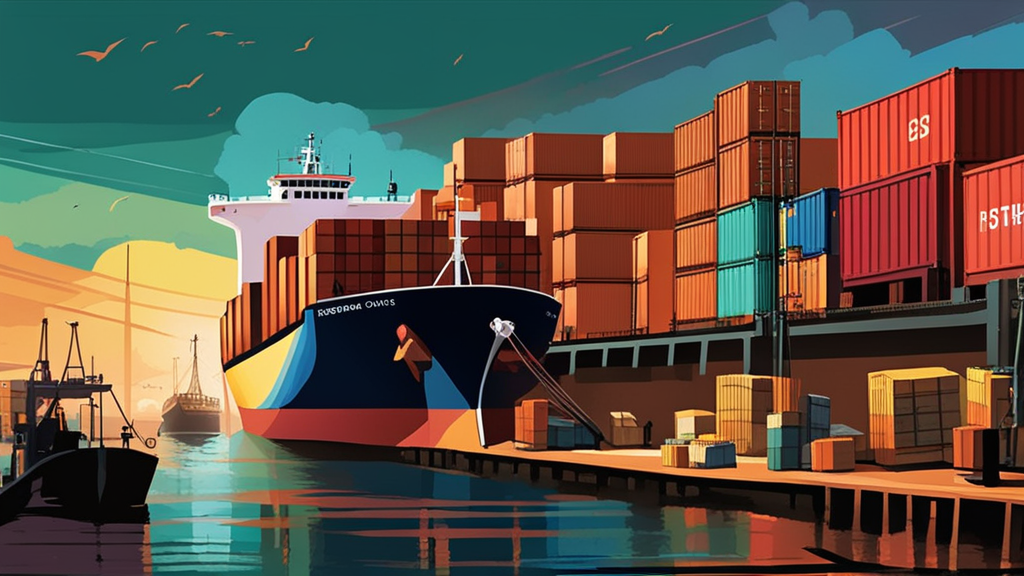
Relocating to Guyana, especially for expatriates entering the booming oil-and-gas sector, is an exciting yet complex journey, particularly when it comes to shipping your belongings. Understanding how to navigate the intricacies of shipping before your work permit is approved can significantly ease your transition and ensure that you're ready to settle into your new life. This article will guide you through the process, discussing everything from customs regulations to practical shipping tips.
Understanding the Work Permit Process
Before diving into shipping logistics, it’s crucial to understand the work permit process in Guyana. As of our last update, the Ministry of Home Affairs has shortened the timelines for obtaining work permits, making it imperative to act swiftly. Generally, once your employer submits your application, you can expect your work authorization and entry permits to be processed. However, many expatriates find themselves in a waiting game, prompting them to consider shipping their belongings ahead of time.
While you can begin shipping items before your work permit is approved, it’s essential to be aware that shipments may be subject to customs procedures until your documentation is finalized. This situation can lead to added costs and delays if you are not adequately prepared. Therefore, ensuring that you have all your paperwork in order, including a copy of your work permit application and any relevant employer documentation, can facilitate the clearance process once your items arrive.
Shipping Options to Guyana
Air Freight vs. Sea Freight
When it comes to shipping options, you generally have two primary methods: air freight and sea freight. Air freight is considerably faster, with delivery times typically ranging from a few days to a week. However, it is also much more expensive, which is a significant consideration when compared to shipping costs in your home country. For example, while a sea freight container might cost a few hundred dollars, air freight costs can vary significantly based on the weight and volume of your shipment.
Sea freight is more economical, particularly for larger shipments. A standard 20-foot container can hold a significant quantity of goods and may incur a shipping cost that is generally lower than air freight. However, keep in mind that sea freight can take several weeks to arrive, so timing is crucial if you choose this option. Many expatriates find it beneficial to combine both methods—sending essential items via air freight while shipping larger household goods by sea.
Choosing the Right Shipping Company
Selecting a reliable shipping company is vital for a seamless experience. Look for companies that specialize in international moves and have a good reputation in the industry. It’s advisable to request quotes from multiple companies and carefully review their services, insurance options, and customer feedback. Some companies might even offer door-to-door service, which can simplify the process significantly.
Customs Regulations and Import Duties
Guyana has specific customs regulations that you must adhere to when shipping your belongings. Generally, personal effects that you’ve owned for over six months may be exempt from customs duties, but you will need to provide evidence of ownership, such as receipts or photos of your items. New items or goods purchased shortly before your move may incur duties, so it’s wise to keep that in mind when planning your shipment.
As of our last update, you may face customs duties that vary based on the category of items being shipped. It is crucial to declare everything accurately to avoid complications. Working with a shipping company that has experience in Guyana can help you navigate these regulations more effectively.
Timing Your Shipment
One common challenge expatriates face is timing their shipments effectively. Ideally, you should aim to have your belongings arrive shortly after you do. If your work permit is still pending when your shipment arrives, you may need to pay storage fees, which can vary depending on the storage facility. To avoid this, plan your shipment to coincide closely with your anticipated arrival date.
In practice, this means coordinating with your employer about when you expect your work permit approval. If you anticipate delays, consider shipping only essentials first. Many expatriates choose to send items like clothing, personal documents, and essential electronics first, leaving larger, non-essential items to follow once their work permits are confirmed.
What Expats Should Know About Shipping
Labeling and Inventory
Proper labeling and inventory management are essential when shipping items to Guyana. Create a detailed inventory list of everything you are shipping, including descriptions and estimated values. This list will not only help you keep track of your items but will also be beneficial for customs clearance. Each box should be clearly labeled with your name, destination address, and contact information.
Additionally, consider taking photos of your items before shipping them. This documentation can be invaluable if any items are lost or damaged during transit.
Insurance and Protection
Investing in shipping insurance is highly advisable. Shipping internationally always carries a risk, and having insurance can provide peace of mind. Ensure you thoroughly understand the insurance coverage offered by your chosen shipping company. Look for policies that cover loss, theft, and damage during transit. Costs for shipping insurance can vary, but a general rule is to insure your items for their full value to ensure proper compensation in case of loss.
Conclusion
Shipping your belongings to Guyana before your work permit is approved is entirely feasible with the right planning and understanding of the process. From choosing between air freight and sea freight to navigating customs regulations, each step is critical to ensuring a smooth transition. By preparing your documentation, selecting a reputable shipping company, and timing your shipment effectively, you can minimize delays and avoid unnecessary costs. Embrace this exciting opportunity, and soon you will be settling into your new life in Guyana.
Primary Sources
Last updated: October 2026
