
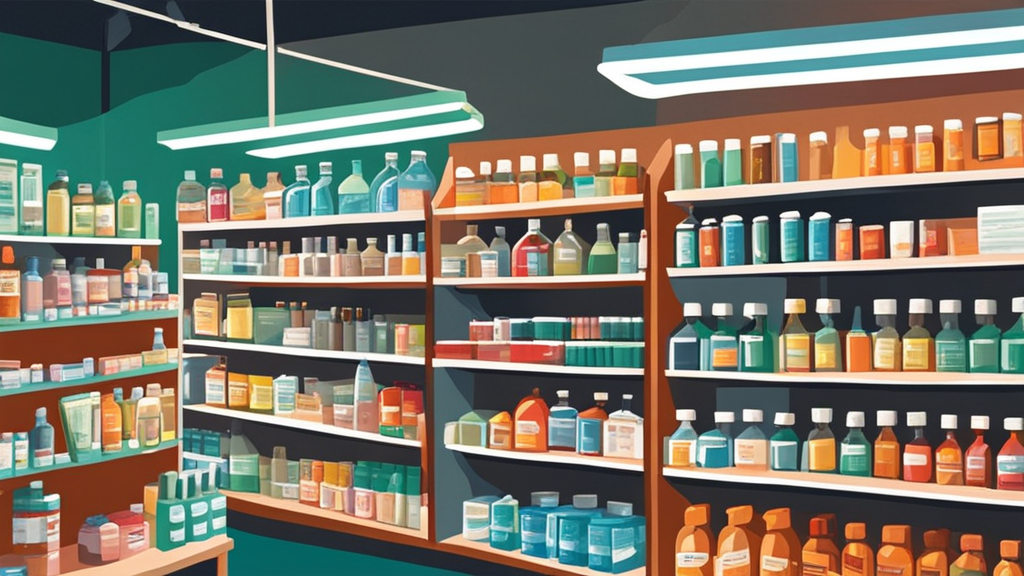
When relocating to Guyana, it's crucial to bring sufficient supplies of prescription medications, especially for chronic conditions. Pharmacies in urban areas like Georgetown may not stock specialized drugs, so ensure you have your medications in original packaging with clear labels. Always consult your healthcare provider before your move to determine what to pack.
Relocating to Guyana can be an exciting yet challenging experience, especially when it comes to managing your health needs. Understanding the availability of prescription medicines and knowing what to bring can significantly ease your transition. This article will guide you through the landscape of prescription medicine in Guyana, including what you should pack, local pharmacy practices, and practical tips for expatriates.
Understanding Prescription Medicine Availability in Guyana
Guyana's healthcare system has been evolving, particularly with the influx of foreign investment due to the oil and gas sector. However, the availability of prescription medications can vary significantly compared to what you might be accustomed to in the US, Canada, or the UK. Pharmacies in urban areas like Georgetown are generally well-stocked with common medications, but specialized drugs may not always be readily available.
Typically, you will find pharmacies in major cities that carry a range of over-the-counter and prescription medications. However, if you require specific medications, especially those that are less common, it is advisable to bring a sufficient supply with you. This is particularly true for chronic conditions or specialized treatments. Always check with your healthcare provider to ensure you have enough medication to last until you can find a local alternative.
What to Bring: Essential Medications
When preparing for your move, consider packing the following types of medications:
- Chronic Condition Medications: If you are managing conditions such as diabetes, hypertension, or asthma, bring a supply of your prescribed medications. Ensure they are in their original packaging with clear labels.
- Emergency Medications: Carry any emergency medications, such as EpiPens for severe allergies or rescue inhalers for asthma.
- Over-the-Counter Medications: Common OTC medications like pain relievers, antihistamines, and digestive aids can be useful, especially if you have preferred brands.
- Medical Supplies: If you use medical supplies like syringes, glucose monitors, or other equipment, ensure you have enough to last until you can find replacements locally.
- Pack enough chronic condition medications for at least three months.
- Include emergency medications like EpiPens and rescue inhalers.
- Bring over-the-counter medications you prefer, such as pain relievers.
- Ensure you have necessary medical supplies, like syringes or glucose monitors.
- Carry copies of prescriptions and a letter from your healthcare provider.
Documentation and Regulations
When traveling to Guyana with prescription medications, it is crucial to have the proper documentation. Bring a copy of your prescriptions and a letter from your healthcare provider detailing your medical needs. This will help in case you are questioned at customs or if you need to refill your prescriptions locally.
Typically, medications should be declared upon arrival, especially controlled substances. Be aware that certain medications that are available over-the-counter in your home country may require a prescription in Guyana. Research the regulations regarding your specific medications to avoid any issues at customs.
Pharmacy Practices in Guyana
Pharmacies in Guyana operate similarly to those in North America and Europe, but there are some differences to note. Most pharmacies are staffed by licensed pharmacists who can provide advice and dispense medications. However, the range of available medications may not be as extensive as in larger markets.
In Georgetown, you will find both independent pharmacies and those affiliated with larger healthcare chains. These pharmacies typically offer a range of services, including health consultations and the ability to order medications that may not be in stock. If you need a specific medication, don’t hesitate to ask the pharmacist if they can order it for you.
Cost Considerations for Prescription Medications
When budgeting for your relocation, consider the cost of prescription medications in Guyana. While some medications may be more affordable than in the US or UK, others can be significantly more expensive due to import duties and VAT, which is typically 14% on most goods and services.
For example, a common medication that costs around 30 USD in the US may be priced higher in Guyana due to these additional costs. As of our last update, it is advisable to bring a sufficient supply of any essential medications to avoid unexpected expenses. This can also help you manage your healthcare budget more effectively during your initial months in the country.
Hidden Costs to Consider
In addition to the direct costs of medications, be aware of hidden expenses that can affect your healthcare budget:
- Import Duties: If you need to order medications from abroad, be prepared for potential import duties that can increase the overall cost.
- Currency Exchange Fees: If you are purchasing medications in GYD, consider the exchange rates and any fees associated with currency conversion.
- Consultation Fees: If you need to see a local doctor for a prescription refill, factor in consultation fees, which can vary widely.
Practical Tips for Expatriates
As you prepare for your move to Guyana, consider the following practical tips to ensure you have a smooth experience regarding your healthcare needs:
- Pack Wisely: Bring enough medication to last at least three months, especially if you are unsure about local availability. This will give you time to establish care with a local provider.
- Research Local Pharmacies: Familiarize yourself with the pharmacies in your area and their hours of operation. Some may have limited hours, especially on weekends.
- Stay Informed: Join local expatriate groups on social media to get recommendations on pharmacies and healthcare providers. These communities can be invaluable for sharing experiences and advice.
- Keep a Health Journal: Maintain a record of your medications, dosages, and any health issues. This can be helpful when consulting with local healthcare providers.
Conclusion
Understanding the availability of prescription medications in Guyana and what to bring is essential for a smooth transition into your new life. By preparing adequately, bringing necessary documentation, and being aware of local pharmacy practices, you can ensure that your healthcare needs are met. With careful planning and a proactive approach, you can navigate the healthcare landscape in Guyana with confidence.
Exchange rate used in this article: 1 USD = 209.2919 GYD (rate as of 2026-10-13T04:40:22.523251+00:00, source: measured from Guyanese property listings, not a bank rate).
