As the oil and gas sector continues to thrive in Guyana, the demand for specialized tools and equipment has surged. For expatriates and returning diaspora professionals engaged in this industry, understanding the logistics of shipping tools — whether for personal use or commercial projects — is essential. This guide will provide you with actionable insights into the shipping process, customs regulations, and local considerations that can ease your transition into this growing market.
Understanding the Shipping Landscape in Guyana
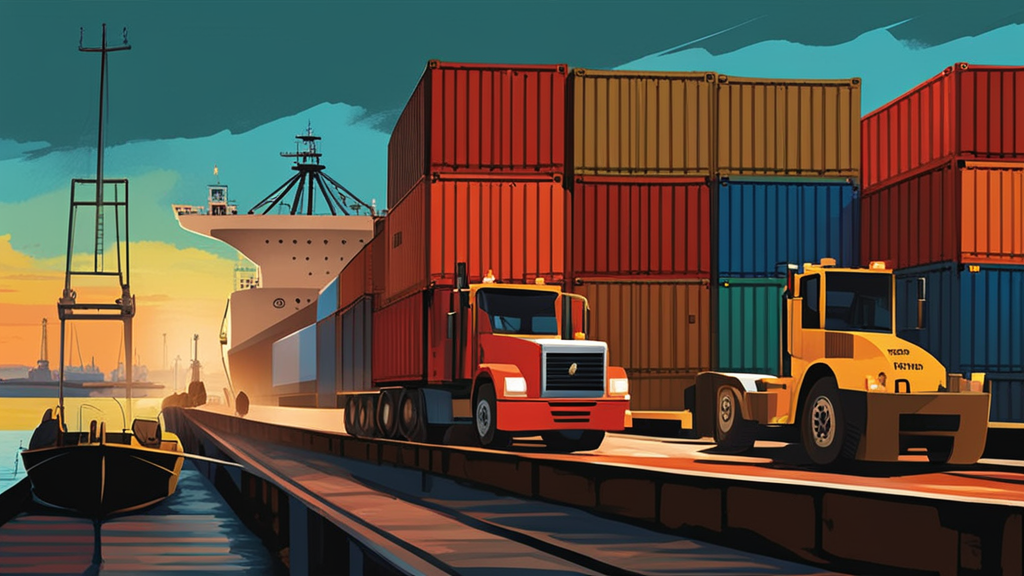
Shipping tools and equipment to Guyana involves navigating a complex network of freight services and customs regulations. The country’s main port, Georgetown, plays a pivotal role in this process. It serves as the entry point for most cargo, including containers and breakbulk shipments. Given that Georgetown is situated on the Demerara River, the port has specific draft limits and requires careful planning for large shipments.
For oil and gas contractors, using a reliable freight forwarding company is vital. These companies can provide essential services such as customs clearance, warehousing, and delivery to your project site. Several established firms specialize in shipping to Guyana, including local entities and international players. Understanding their offerings can help you select the right partner for your needs.
Types of Shipping Services Available
Container Shipping
Containerized shipping is one of the most common methods for transporting tools and equipment. It typically involves two options: Full Container Load (FCL) and Less Than Container Load (LCL). For contractors shipping larger equipment or significant quantities of tools, FCL is often more cost-effective. Conversely, LCL is suitable for smaller shipments where you share space with other cargo.
Local companies like Kestrel Guyana offer comprehensive containerized shipping solutions, ensuring your cargo is routed efficiently based on timelines and budgets. They also provide services for temperature-controlled cargo, which can be crucial for sensitive tools.
Breakbulk and Heavy Lift Shipping
For oversized or heavy equipment that cannot fit into standard containers, breakbulk shipping is necessary. This method involves transporting cargo as individual pieces, which may require special handling and additional logistics planning. Companies like Texas International Freight specialize in this area, ensuring that your oversized items are securely packed and transported in compliance with local regulations.
When dealing with breakbulk, understanding Georgetown’s port capabilities is essential. The port often faces draft restrictions, necessitating careful vessel selection and timing to avoid delays. Planning your shipments around tidal schedules can also enhance efficiency.
Customs Regulations and Documentation
Shipping to Guyana requires adherence to specific customs regulations, especially for tools and equipment related to the oil and gas sector. The Guyana Revenue Authority (GRA) oversees customs clearance, and it’s crucial to prepare the necessary documentation in advance. Commonly required documents include:
- Commercial Invoice
- Packing List
- Bill of Lading
- Certificate of Origin
- Harmonized System (HS) Codes for each item
These documents should be filed electronically through the ASYCUDA World system, which can streamline the customs process. For oil and gas cargo, additional scrutiny may be involved, so engaging a customs broker with experience in this sector is advisable. They can facilitate the clearance process and help avoid delays.
Costs Associated with Shipping
When budgeting for shipping tools to Guyana, consider several cost factors: freight charges, customs duties, and additional fees for handling oversized or specialized equipment. Typically, freight rates can vary significantly based on the service type, shipping distance, and the carrier’s policies. As of our last update, shipping costs from major US ports to Georgetown can range widely, so it is prudent to request quotes from multiple freight forwarders for a clearer picture.
Customs duties in Guyana are generally calculated based on the value of the goods being imported. Tools used in the oil and gas sector may qualify for specific exemptions or reduced rates, so consulting with a local customs broker can help you maximize your budget.
Practical Tips for Expatriates
Choosing a Reliable Freight Forwarder
When selecting a freight forwarder, look for companies with a proven track record in shipping to Guyana. Consider factors such as their experience in the oil and gas sector, customer reviews, and range of services. A reputable freight forwarder will not only handle the logistics but also provide insights into local customs regulations, helping you navigate potential pitfalls.
Local firms, such as John Fernandes Limited, offer comprehensive shipping services, including agency representation and logistics support tailored to the oil and gas industry. Engaging with these companies can provide peace of mind and ensure your tools arrive promptly and safely.
Understanding Local Customs and Practices
Adapting to the local culture and business practices in Guyana can significantly enhance your experience as an expatriate. Here are a few key considerations:
- **Communication Style:** Guyanese tend to appreciate a friendly approach. Building rapport with local partners can foster positive working relationships.
- **Punctuality:** While punctuality is valued, be prepared for some flexibility in scheduling as local practices can differ from North American or European standards.
- **Local Resources:** Familiarize yourself with local suppliers and markets for tools and equipment. This knowledge can be invaluable if you require additional items during your project.
Conclusion
Shipping tools to Guyana for oil and gas contractors involves understanding the logistics, customs regulations, and local practices that govern this process. By working with reliable freight forwarders, preparing the necessary documentation, and budgeting carefully, you can ensure a smooth shipping experience. Embracing the local culture will also enhance your professional journey in this rapidly growing market. With the right preparation, you can focus on what truly matters: contributing to the burgeoning oil and gas sector in Guyana.
Primary Sources
Last updated: October 2026