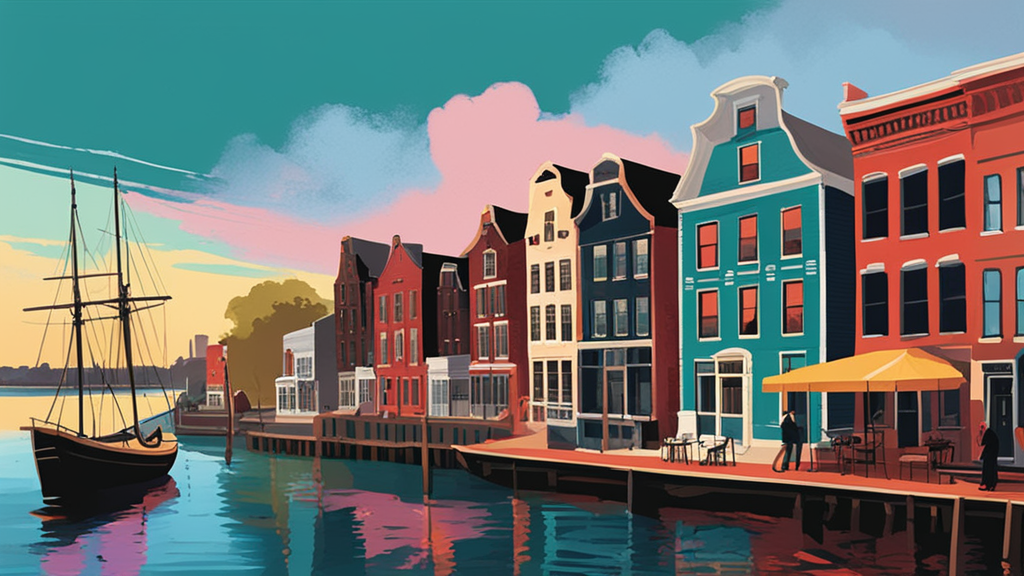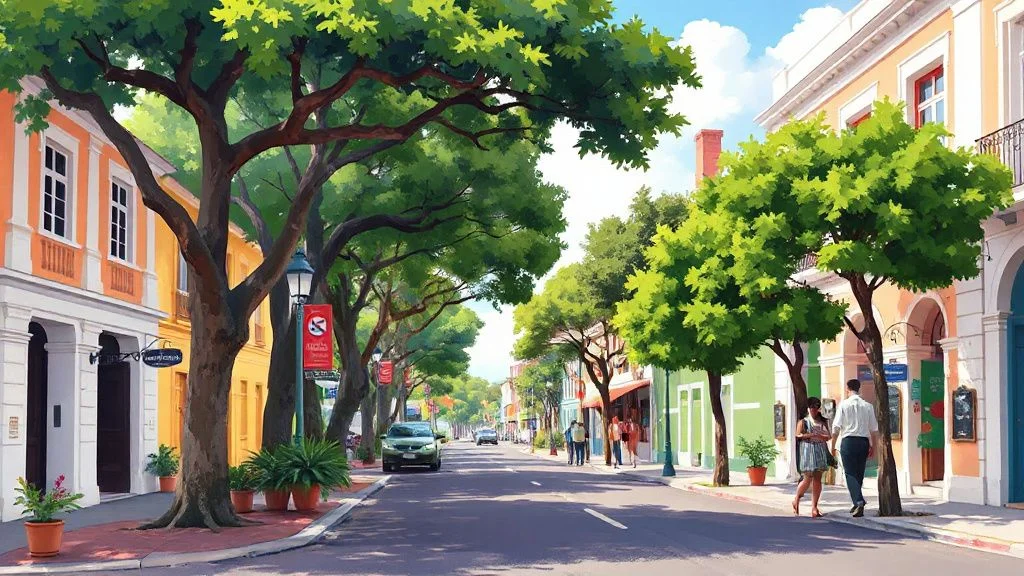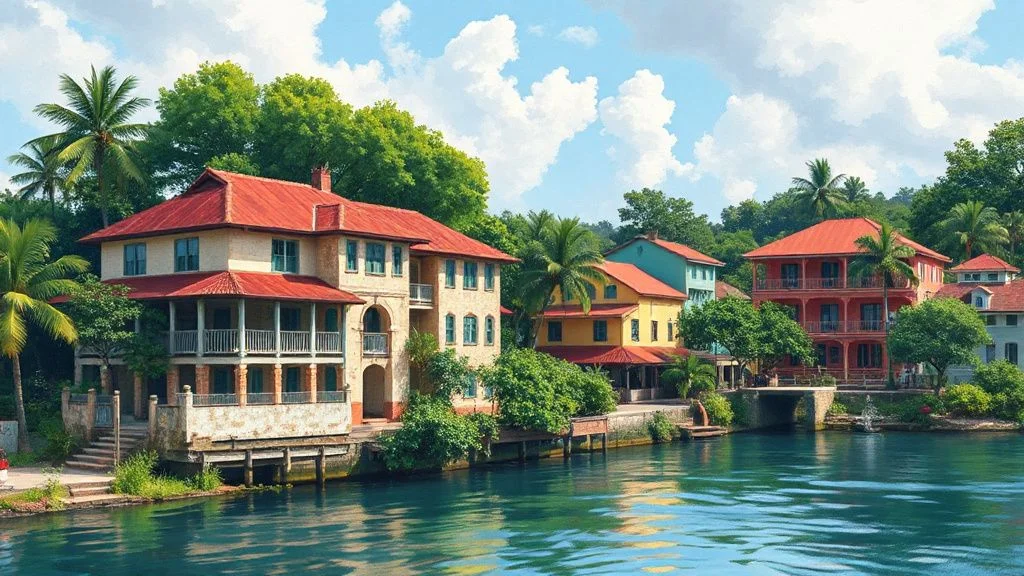
Linden, a vibrant town situated in the Upper Demerara-Berbice region of Guyana, serves as a remarkable blend of rich history and modern development. This article delves into Linden's historical significance, its evolution over the years, and life today, providing expatriates and returning diaspora professionals with valuable insights into what makes this town unique.
A Glimpse into Linden's Historical Background
The history of Linden can be traced back to the 19th century when it was initially known as Stabroek. This settlement was established primarily for the extraction of balata, rubber, and sugarcane cultivation, with its first settlers being Dutch colonists. The evolution of Linden from its humble beginnings is marked by key events that shaped its identity.
Early Settlement and Development
Christianburg, located on the west bank of the Demerara River, is the oldest part of Linden, originally founded in the late 1800s. During this period, residents primarily engaged in agricultural activities. The name was later changed to Christianburg, honoring Governor Christian Finette. After the British invasion in 1803, a Scottish engineer named John Dalgleish Patterson played a pivotal role in developing the area by constructing living quarters for government officials and establishing a sugar plantation.
Wismar, another key area within Linden, owes its name to German migrants who settled there between 1830 and 1840. Following emancipation, many former enslaved persons moved to Wismar, contributing to its growth as a central point for gold and diamond mining in the Essequibo-Potaro district. The discovery of bauxite in the early 1900s marked a significant turning point in Linden's economy, leading to its establishment as a hub for mining activities.
The Bauxite Boom
The most transformative event in Linden's history occurred in 1916 when bauxite was discovered. This mineral became the backbone of the town’s economy, attracting workers from various parts of Guyana and beyond. The Demerara Bauxite Company (DEMBA) initiated mining operations, which led to a population surge as individuals flocked to Linden in search of employment opportunities. By the mid-20th century, Linden was recognized as one of the world’s leading bauxite producers, contributing significantly to Guyana's economic landscape.
Life in Linden Today
Today, Linden stands as a bustling town that embodies a mixture of cultural heritage and modernity. With a population exceeding 30,000 residents, it serves as a vital center for commerce, education, and healthcare in the Upper Demerara-Berbice region. The town's economy has diversified beyond bauxite mining, with various sectors contributing to its growth.
Economic Landscape
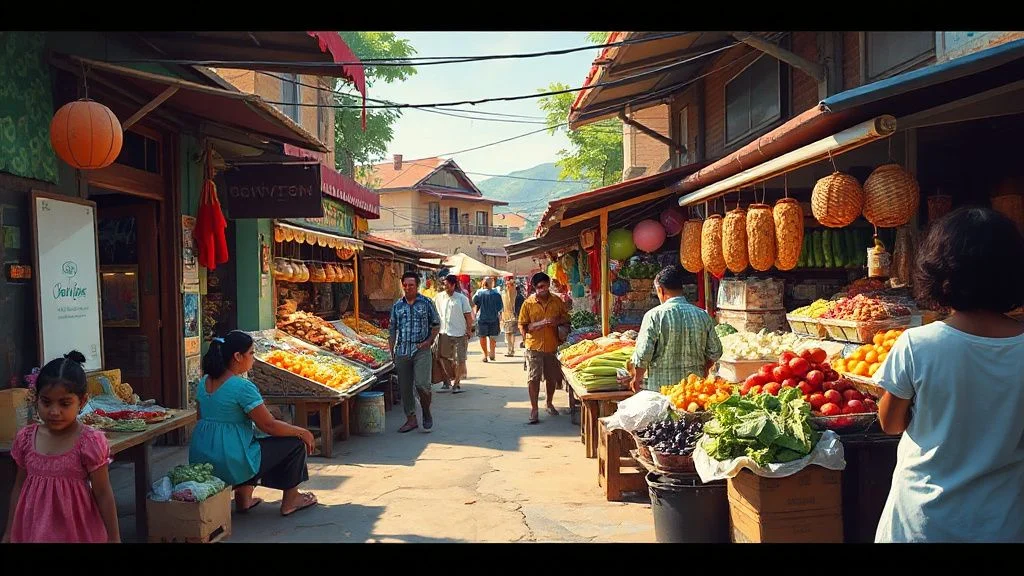
While bauxite mining remains a significant economic driver, Linden has seen the emergence of other industries such as agriculture, retail, and services. The town boasts several local markets where residents can purchase fresh produce, meats, and household goods. These markets play a crucial role in the community, providing not just goods but also a space for social interaction and cultural exchange.
Additionally, Linden is increasingly becoming a hub for small businesses and entrepreneurship. Many locals have started their ventures, ranging from food stalls to eco-friendly products, which cater to both residents and visitors. The community's entrepreneurial spirit is supported by local government initiatives aimed at fostering a business-friendly environment.
Education and Healthcare
Linden is home to several educational institutions that cater to various age groups, including primary and secondary schools. The presence of the Linden Technical Institute offers vocational training and skill development, which is essential for the local workforce, especially in an economy that is increasingly leaning towards diversification.
Healthcare services in Linden are accessible, with public health facilities providing essential medical care to the community. While there are challenges related to infrastructure and resource allocation, ongoing efforts by the government and non-governmental organizations aim to improve healthcare quality and accessibility.
Cultural Heritage and Community Life
The cultural tapestry of Linden is vibrant, showcasing a mix of indigenous, African, and European influences. Various cultural festivals and events occur throughout the year, celebrating the town's diverse heritage. These events provide an excellent opportunity for expatriates and visitors to immerse themselves in local traditions, music, and cuisine.
Community Engagement and Safety
Community engagement plays a significant role in Linden's social fabric. Residents actively participate in local governance and community development projects, ensuring that their voices are heard in decision-making processes. This sense of community fosters a welcoming environment for newcomers, making it easier for expatriates to integrate.
Safety is a priority in Linden, as with any urban area. While the town is generally safe, it is advisable for newcomers to remain vigilant and be aware of their surroundings, especially during nighttime. Establishing connections with local residents can also enhance safety and provide valuable insights into the community.
Practical Tips for Expatriates
For expatriates considering a move to Linden or those already residing there, several practical tips can enhance the experience:
- Transportation: Linden is accessible from Georgetown via the Soesdyke-Linden Highway, which is approximately a one-and-a-half-hour drive. Public transportation options, including minibuses and taxis, are readily available for local travel.
- Cost of Living: The cost of living in Linden is generally lower than in Georgetown, making it a more affordable option for expatriates. Basic commodities, housing, and utilities are typically more cost-effective, allowing for a comfortable lifestyle.
- Cultural Integration: Engage with local organizations and community events to foster relationships with residents. Joining clubs or attending cultural festivals can provide insights into Linden’s rich heritage.
- Healthcare Access: Familiarize yourself with local healthcare facilities and services. Consider acquiring health insurance that covers both local and international medical needs for added security.
Conclusion
Linden, with its rich historical background and dynamic contemporary life, offers a unique experience for expatriates and returning diaspora professionals. The town's evolution from a bauxite mining hub to a diverse economic center reflects its adaptability and resilience. By embracing the community's cultural heritage and engaging with local enterprises, newcomers can find a welcoming environment that enriches their lives in Guyana.
Primary Sources
Last updated: October 2026