Today, Linden's bauxite legacy is evident in transformed mining sites that have become lakes, offering recreational opportunities. While the bauxite industry has diminished, local businesses and community initiatives are thriving, reflecting the town's rich heritage and efforts to diversify the economy beyond mining.
Located in the Upper Demerara-Berbice region of Guyana, Linden is a town rich in history and significance, particularly in relation to its bauxite mining legacy. This article explores Linden's role as a vital bauxite town, the historical context of its mining activities, and the remnants of its once-thriving industry, providing valuable insights for expatriates and returning diaspora professionals.
History and Development of Linden as a Bauxite Town
Linden, formerly known as Mackenzie, was established as a bauxite mining hub in the early 20th century. The Demerara Bauxite Company Limited (DEMBA) began operations in 1916, marking the start of commercial bauxite mining in the area. Located approximately 105 km (65 miles) south of Georgetown, the capital city, Linden quickly developed into a township to support the needs of the growing mining operations.
The mining process initially involved manual labor, with workers using shovels and pickaxes to extract bauxite. Over time, technological advancements led to the introduction of machinery, including draglines and wheel excavators, which revolutionized bauxite extraction. By establishing a comprehensive infrastructure, including housing, healthcare, and essential services, DEMBA transformed Linden into a self-sustaining community, where many workers and their families lived and thrived.
The Bauxite Mining Process and Its Impact
Bauxite mining in Linden involved several stages, including the removal of overburden to reach the ore. Techniques included dragline excavation, water blasting, and the use of wheel excavators. The extracted bauxite was then transported via railways to processing plants, where it was crushed, washed, and dried for export.
The bauxite industry significantly contributed to Linden's economic development, providing employment opportunities and fostering community growth. As of 2022, Linden's population stands at around 33,183, reflecting the town's sustained importance in Guyana's socio-economic landscape. However, as global demand for bauxite fluctuated, the industry saw periods of decline, leading to the closure of several mining operations and the abandonment of some mining pits.
What Remains of the Bauxite Industry?
Today, remnants of Linden's bauxite legacy can be observed in various forms. Many former mining sites have transformed into lakes, as they filled with water after mining activities ceased. These lakes, often characterized by their clear waters, have become recreational spots for both locals and visitors. For instance, some lakes are popular for swimming and fishing, providing a stark contrast to the industrial landscape that once dominated the area.
While the bauxite industry has diminished, Linden has not lost its identity. The town is home to several local businesses and community initiatives that reflect its rich heritage. Efforts to diversify the local economy are underway, focusing on tourism, agriculture, and other sectors, as the community seeks to carve out a sustainable future beyond mining.
- Former mining sites have turned into lakes, popular for swimming and fishing.
- Local businesses and community initiatives continue to thrive, preserving Linden's heritage.
- Efforts are underway to diversify the economy, focusing on tourism and agriculture.
Accessibility and Transportation to Linden
Linden is accessible by road and air. The drive from Georgetown typically takes about two to three hours, depending on road conditions. The main road to Linden is well-maintained, with several bus services operating between the capital and the town, offering an affordable option for travelers. Alternatively, small aircraft provide a quicker route to Linden, with flights available from Georgetown.
Once in Linden, transportation options include buses, taxis, and private vehicles. Public transportation services are often available to help residents and visitors navigate the area efficiently. However, it is advisable to plan travel during daylight hours, as road conditions can be challenging at night.
Climate and Seasonal Considerations
Linden experiences a tropical rainforest climate, characterized by high humidity and consistent rainfall throughout the year. The wet season typically runs from May to August, with the potential for heavy downpours and flooding. Conversely, the dry season from September to April offers more stable weather, making it an ideal time for outdoor activities and exploration.
For expatriates and returning diaspora professionals, understanding the local climate is essential for planning daily activities and ensuring comfort. Lightweight, breathable clothing is recommended year-round, and visitors should be prepared for sudden rain showers, especially during the wet season.
Practical Tips for Expats and Returning Diaspora
For expatriates considering a move to Linden or returning members of the diaspora, several practical tips can enhance the experience. First, embracing the local culture is vital; engaging with the community through events and festivals helps to build connections and foster a sense of belonging.
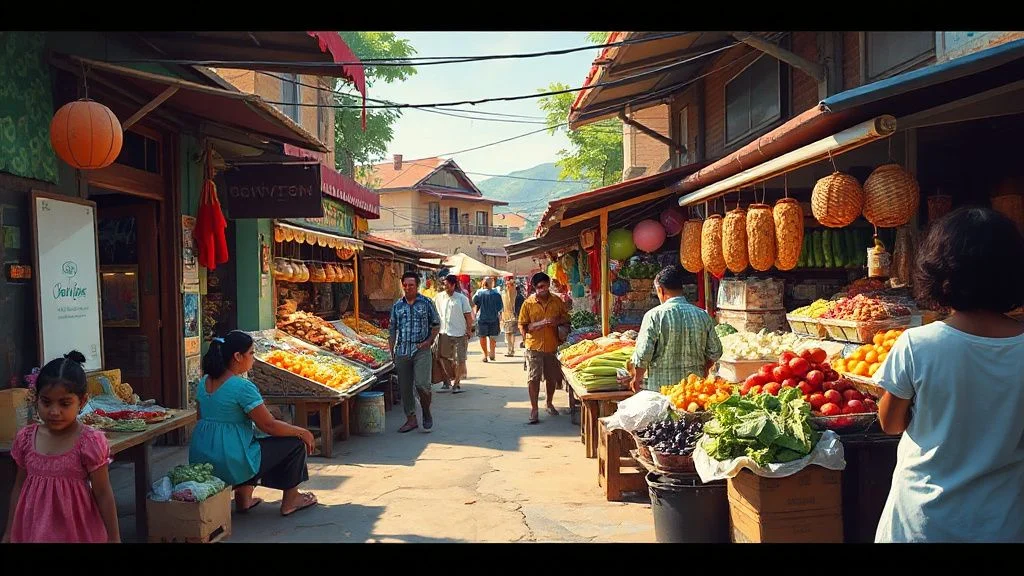
Second, exploring local markets for fresh produce and artisanal goods not only supports the economy but also provides an opportunity to experience the flavors of Guyanese cuisine. Lastly, networking with local professionals can open doors to job opportunities and collaborations, particularly in emerging sectors as the economy diversifies.
Conclusion
Linden and its surrounding bauxite towns hold a significant place in Guyana's industrial history. While the mining industry has faced challenges, the town has adapted and continues to evolve. Understanding the historical and cultural context of Linden enhances the experience for expatriates and returning diaspora professionals, offering insights into a community that proudly honors its past while looking toward a sustainable future.
Primary Sources
Last updated: October 2026