For expatriates and returning diaspora professionals in Georgetown, learning Creolese can significantly enrich your experience in Guyana. This unique language, deeply rooted in the country's history and culture, serves as a vital means of communication for many locals. This guide will explore the various language learning options available, the cultural significance of Creolese, and practical tips for mastering this vibrant dialect.
The Importance of Learning Creolese
Creolese, or Guyanese Creole, is the most widely spoken language in Guyana, particularly among the local population. While English serves as the official language, Creolese reflects the cultural and linguistic diversity of the country. Speaking Creolese not only helps in communicating more effectively with locals but also aids in understanding their cultural nuances. For example, expressions like "Wha' happenin'?" (What’s happening?) or "Me deh yah" (I am here) are essential in day-to-day interactions.
Many expatriates find that learning Creolese fosters a deeper connection with the community. It allows for more authentic interactions, whether you are shopping at local markets, dining in neighborhood restaurants, or attending community events. Understanding the language can also help you navigate social situations and avoid potential misunderstandings, making your time in Guyana more enjoyable.
Available Language Classes in Georgetown
Georgetown offers several options for learning Creolese, catering to different learning styles and schedules. These range from formal classes at educational institutions to informal community-based learning opportunities.
Educational Institutions
One of the most reputable places to learn Creolese is at the University of Guyana. The university offers courses in Creole language and culture through its Language and Cultural Studies department. These classes typically cover the basics of Creolese grammar, vocabulary, and pronunciation, along with cultural context to enhance understanding. They may also include interactive sessions where students practice speaking with native speakers.
For those looking for more structured learning, private language schools in Georgetown also offer Creolese classes. These institutions often provide tailored programs that can adapt to your pace and learning objectives. Many schools emphasize conversational skills, which are essential for everyday interactions. Courses often feature role-playing scenarios to practice real-life conversations, making learning more engaging and practical.
Community Learning Opportunities
In addition to formal classes, community-based learning is an effective way to immerse yourself in the language. Several local organizations and cultural centers host informal Creolese classes or conversation clubs. Participating in these gatherings not only improves your language skills but also helps you build relationships with locals. For instance, you might find a weekly Creolese conversation group at a community center, where you can practice speaking in a relaxed environment.
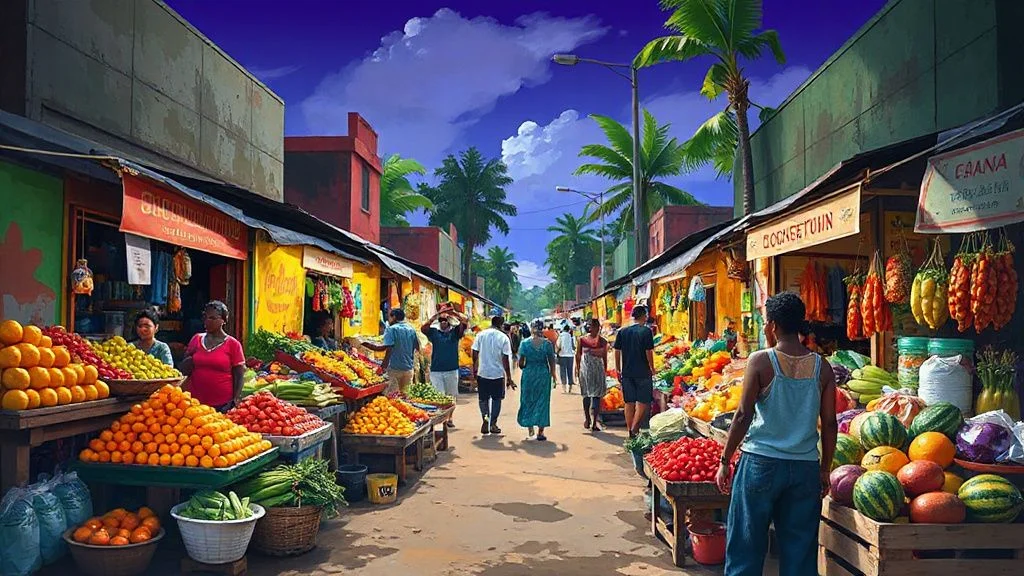
Additionally, local markets and community events serve as excellent venues for language practice. Engaging with vendors and other expatriates will provide real-world experience in using Creolese, reinforcing your learning. Don’t hesitate to ask questions or request translations; locals often appreciate your effort to communicate in their language.
Resources for Learning Creolese
Besides classroom instruction, various resources can assist you in learning Creolese more effectively. Books, online courses, and mobile applications can supplement your learning experience.
Books and Literature
There are several books available that focus on learning Creolese. These typically include vocabulary lists, grammar guides, and cultural insights. Look for titles written by local authors or organizations that specialize in Caribbean languages. Additionally, children's books written in Creolese can be a fun and simple way to start learning, as they often incorporate illustrations and straightforward language.
Online Courses and Apps
In the digital age, online courses and mobile applications have become popular tools for language learning. Websites dedicated to language education may offer lessons specifically for Creolese, complete with audio recordings to help with pronunciation. Applications like Duolingo or Memrise, while not specifically tailored to Creolese, can be useful for expanding your general language skills and vocabulary.
Cultural Nuances to Consider
Understanding the cultural context behind Creolese is essential for effective communication. The language is rich with idioms, expressions, and cultural references that can significantly alter the meaning of conversations. For example, the phrase "A nah go lie to yuh" (I won’t lie to you) indicates a level of trust and honesty, which is vital in building rapport with locals.
Expatriates often experience cultural misunderstandings due to differences in communication styles. For instance, directness is preferred in many Western cultures, while indirect communication may be more common in Guyanese culture. Learning Creolese not only helps bridge this gap but also fosters an appreciation for the local culture and customs.
Practical Tips for Learning Creolese
To maximize your success in learning Creolese, consider the following practical tips:
- Practice Regularly: Consistency is key. Set aside time each day to practice speaking, listening, and writing in Creolese.
- Engage with Locals: Don’t be shy about speaking with locals. They can provide invaluable feedback and help you improve your pronunciation.
- Use Language Learning Tools: Incorporate various learning tools such as flashcards, language games, and audio recordings to diversify your study methods.
- Be Patient: Language learning is a gradual process. Embrace mistakes as part of the journey, and celebrate your progress.
- Immerse Yourself: Surround yourself with Creolese speakers and materials. Watching local television shows or listening to music in Creolese can enhance your understanding and fluency.
Conclusion
Learning Creolese is an enriching endeavor that can greatly enhance your experience as an expatriate in Georgetown. By taking advantage of the diverse language classes available, utilizing various resources, and embracing the cultural nuances, you can develop a deeper connection with the local community. Whether you opt for formal education or community-based learning, your efforts will pave the way for more meaningful interactions and a more rewarding stay in Guyana.