Relocating to a new country often raises questions about safety, particularly for expatriates who may be unfamiliar with local customs and environments. In this article, we delve into the safety situation for expats living and working in Guyana as of 2026, going beyond mere statistics to provide a nuanced perspective on what you can expect. From personal anecdotes to practical advice, we aim to equip you with the insights necessary to navigate life in this vibrant yet complex nation.
Understanding the Crime Landscape
Crime is a significant concern for expatriates in Guyana, and various sources indicate that the crime rate remains a crucial factor for newcomers. The U.S. Department of State currently issues a Level 3 travel advisory, advising potential travelers to reconsider travel due to crime, particularly violent crime. However, it's important to contextualize this: while crime does occur, many expats live and work in Guyana without experiencing incidents firsthand.
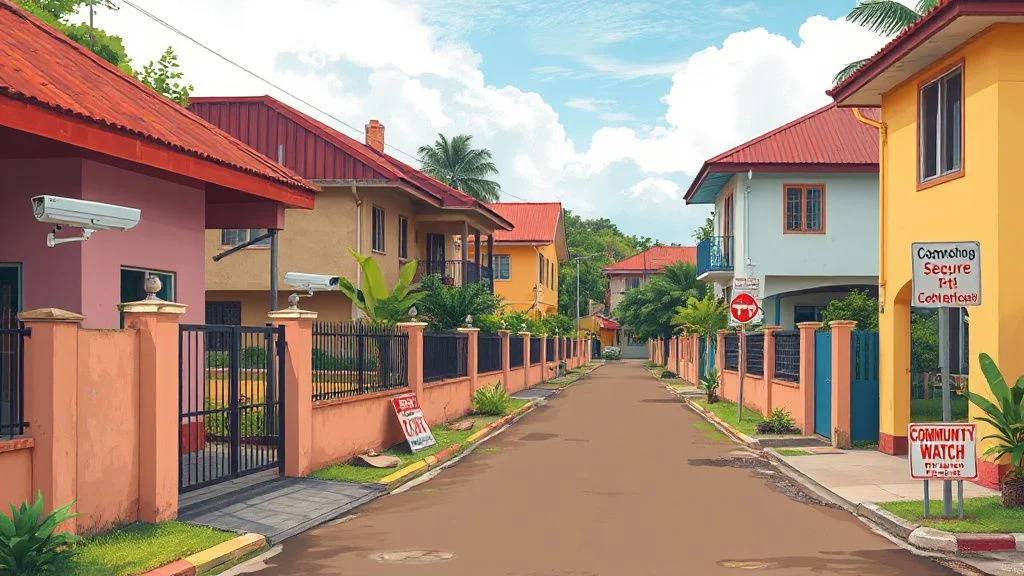
Typical incidents of crime include theft, robbery, and in some cases, violent confrontations, especially in certain neighborhoods. Areas such as Georgetown’s downtown can be riskier, particularly at night. However, many expats choose to reside in more secure neighborhoods like Queenstown or the upscale areas of the city, which typically experience lower crime rates. These neighborhoods often have better lighting, more patrolled streets, and a general community feel, making it safer for families and individuals alike.
Safety Measures for Expats
For expatriates living in Guyana, adopting certain safety measures can significantly enhance your personal security. First and foremost, familiarize yourself with the local emergency numbers and services. The police can be reached at 911, and it's advisable to save contacts for your embassy or consulate for immediate assistance in emergencies.
Moreover, many expats recommend enrolling in the Smart Traveler Enrollment Program (STEP) offered by the U.S. Department of State. This free service notifies you of important safety updates and allows for quick communication in case of emergencies. By being proactive, you can ensure you receive timely alerts about any potential security threats or natural disasters.
Cultural Nuances and Daily Life
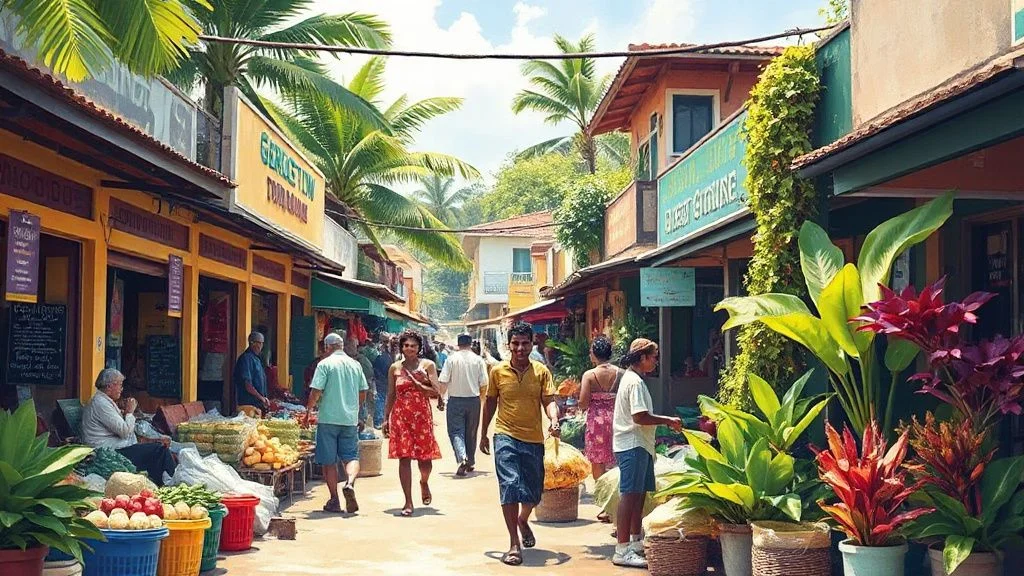
Understanding the cultural landscape is just as important as being aware of safety. Guyana is known for its rich tapestry of cultures, stemming from its diverse population of Indigenous, African, East Indian, and European descent. This diversity often leads to vibrant community events, festivals, and local markets, but it also requires sensitivity and respect towards various cultural practices.
Engaging with locals can offer valuable insights into safe practices and the general atmosphere of the neighborhoods you may frequent. For instance, locals often advise against displaying valuables openly and suggest using discreet bags while traveling. Additionally, learning some basic phrases in Guyanese Creole can help break down barriers and foster goodwill among residents.
Personal Experiences of Expat Life
Many expatriates report mixed experiences regarding safety in Guyana. A common sentiment among those who have successfully integrated into the community is that safety often correlates with one's lifestyle choices and neighborhood. For example, Sarah, a project manager from the UK, shares that she moved to the upscale neighborhood of Queenstown and has had few issues. She emphasizes the importance of getting to know her neighbors and building a network of support within her expat community.
On the other hand, some expats have faced challenges. Mark, an engineer from Canada, recounts a mugging incident that occurred while he was traveling alone in a less populated area. This experience taught him to be more cautious, especially when venturing outside of well-known zones. Both Sarah and Mark’s stories highlight the importance of situational awareness and adapting one's lifestyle to the local environment.
Practical Tips for Expats
To thrive in Guyana while ensuring your safety, consider the following practical tips:
- Choose Your Neighborhood Wisely: Areas like Queenstown, Lacytown, and the upscale suburbs are generally safer. Research crime statistics and talk to locals before settling.
- Stay Informed: Regularly check local news and community boards for updates on safety and events. Engage with the expat community through social media or forums for real-time insights.
- Use Reliable Transportation: Opt for registered taxis or rideshare apps rather than hailing cabs on the street. This can reduce the risk of encountering unsafe situations.
- Establish a Routine: Familiarize yourself with safe routes to work, grocery stores, and other essential places. Consistency can help reduce anxiety and improve your overall comfort level.
- Be Discreet: Avoid flaunting wealth or valuables in public. This includes not using expensive electronics in crowded areas and keeping bags close to you.
Conclusion
Guyana presents a unique blend of opportunities and challenges for expatriates. While the safety landscape may seem daunting, many expats successfully navigate life here by being aware of their surroundings and taking proactive measures. Understanding the local culture, building a community, and implementing safety practices can transform your experience in this vibrant country. Ultimately, while crime exists, enjoying life in Guyana is possible with the right precautions and mindset.