
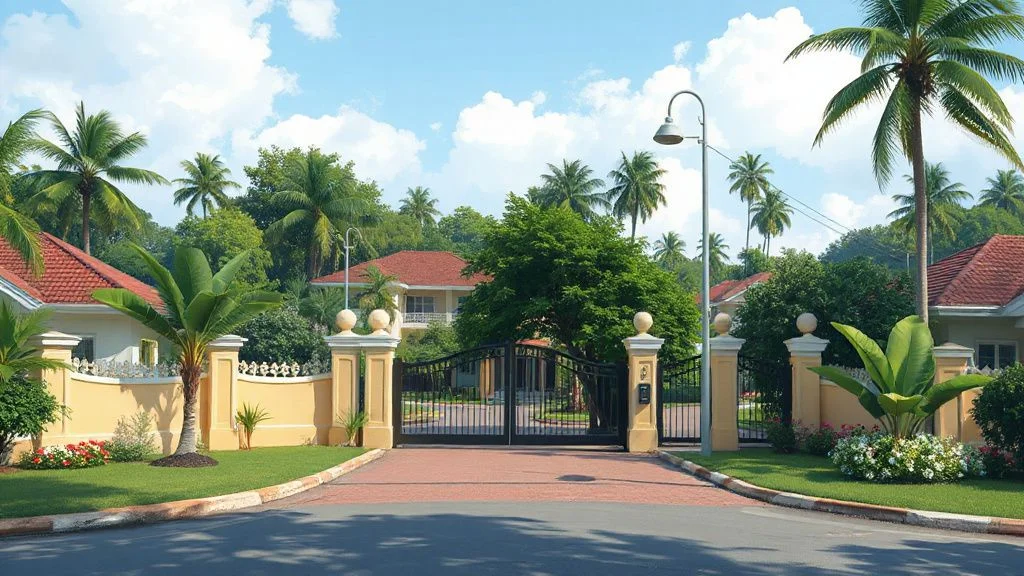
For expatriates and professionals relocating to Guyana, understanding the nuances of leasing property is crucial. This article delves into how a lease in a gated scheme on the East Bank of Demerara typically concludes, shedding light on the legalities, practical steps, and cultural nuances involved. Whether you're currently living in Georgetown or considering a move, knowing how to navigate lease terminations can save you time and potential headaches.
What can we help you with?
Three short questions, then just how to reach you. No account needed.
Understanding Lease Agreements in Gated Schemes
When you secure a lease in a gated scheme on the East Bank of Demerara, you enter into a legal contract that outlines the terms of your rental arrangement. It is essential to thoroughly review your lease agreement to understand the termination clauses. The lease will specify how much notice you need to give before vacating the property.
In Guyana, the legal framework governing leases is important for both landlords and tenants. Although you might find that landlords are flexible, particularly in gated communities where the demand for rental properties can fluctuate, it's advisable to adhere to the specified notice period. Failure to do so may lead to penalties or the forfeiture of your security deposit.
Steps to End Your Lease
1. Review Your Lease Agreement
Your first step in terminating your lease is to revisit the lease agreement. Look for sections detailing termination, notice periods, and any potential fees associated with breaking the lease early. The lease will also typically outline the procedure for giving notice, including whether it should be in writing or can be done verbally.
2. Notify Your Landlord
Once you’ve reviewed the lease, it’s time to inform your landlord of your intention to end the lease. Writing a formal notice is considered best practice. This notice should include your name, the property address, the date, and a clear statement of your intention to vacate. Depending on the agreement, you may need to send this notice via registered mail or deliver it in person. Typically, landlords appreciate clear communication, which helps maintain a good relationship.
Preparing to Vacate
1. Conduct a Property Inspection
Before you officially move out, it's wise to conduct a thorough inspection of the property. This allows you to identify any damages or repairs that may need addressing before your final walk-through with the landlord. In gated communities, properties are often held to a higher standard, and landlords might expect the premises to be returned in the same condition as when you moved in.
2. Clean and Repair
Cleaning the property before you leave is not only courteous but can also ensure the return of your security deposit. Pay attention to areas that might require more than standard cleaning, such as kitchens and bathrooms. If there are any minor repairs needed, such as fixing scratches or replacing light bulbs, addressing these can help avoid disputes with your landlord. Typically, landlords in gated schemes expect the property to be in pristine condition, given the community's standards.
Security Deposit and Final Walk-Through
1. Understanding Security Deposits
Your security deposit serves as protection for the landlord against potential damages or unpaid rent. According to local practices, landlords in Guyana are expected to return the security deposit within a reasonable timeframe after your departure. However, deductions may be made for damages beyond normal wear and tear.
2. Conducting the Final Walk-Through
On the day of your move-out, arrange a final walk-through with your landlord. This is your opportunity to ensure everything is in order and to discuss any potential deductions from your security deposit. It’s helpful to document the condition of the property with photographs during this inspection. This can be invaluable should any disputes arise regarding the state of the property after your departure.
Cultural Considerations and Practical Tips
Understanding the local culture can significantly enhance your experience while ending a lease in Guyana. Guyanese people value communication and respect, so maintaining a polite and professional relationship with your landlord is paramount. Expressing gratitude for their cooperation can leave a positive impression and might even serve you well in future rental endeavors.
What Expats Should Know
- Lease Flexibility: Be aware that some landlords may be open to negotiation, especially if you maintain a good relationship.
- Documentation: Always keep copies of communication regarding your lease termination. This includes notices and any correspondence with your landlord.
- Local Customs: Familiarize yourself with local customs regarding property rentals, as this can vary significantly from what you might be used to in North America or the UK.
Conclusion
Ending a lease in a gated scheme on the East Bank of Demerara involves understanding your lease agreement, notifying your landlord, and preparing the property for return. By following these steps, you can ensure a smooth transition and maintain positive relationships in the local community. Remember, clear communication and respect for local customs will serve you well as you navigate your rental journey in Guyana.
Primary Sources
Last updated: November 2026
