Guyana is known for its stunning biodiversity and breathtaking landscapes, making it a paradise for nature lovers and wildlife enthusiasts. With a network of protected areas managed by the Guyana Protected Areas Commission (PAC), visitors can explore some of the most pristine ecosystems in the world. This comprehensive guide will help you navigate the booking process for these nature parks, ensuring an unforgettable experience in this unique South American country.
Understanding Guyana's Protected Areas
The National Protected Areas System (NPAS) of Guyana encompasses several key parks and reserves that play a vital role in conserving the country's rich natural heritage. Established over numerous decades, these protected areas are designed to safeguard wildlife habitats and promote sustainable tourism. Key parks include:
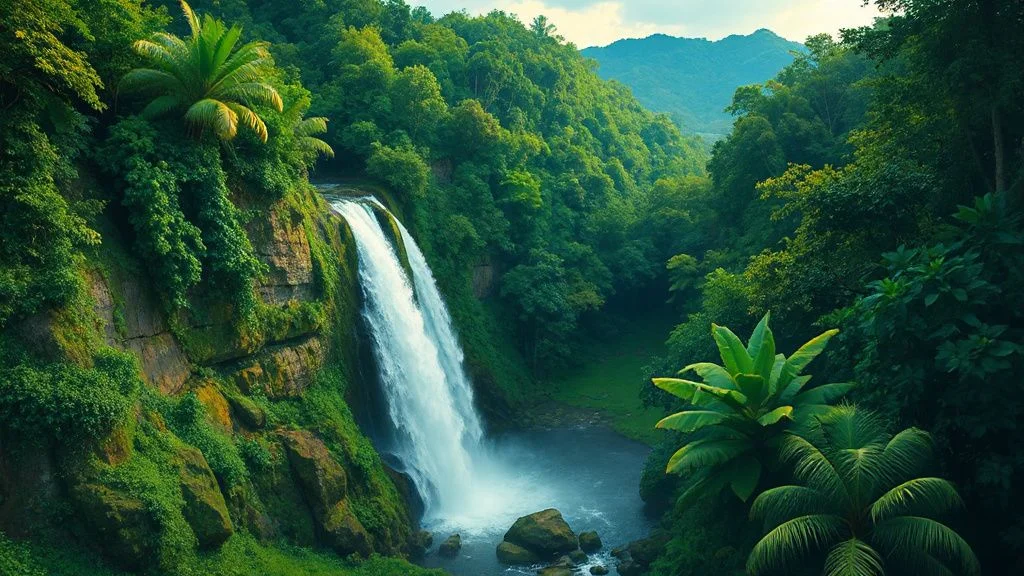
- Kaieteur National Park: Home to the iconic Kaieteur Falls, this park is renowned for its diverse flora and fauna.
- Iwokrama Rainforest Reserve: Spanning 3,710 square kilometers, this area is celebrated for its exceptional biodiversity and is a hub for conservation research.
- Shell Beach Protected Area: Located along the northwestern coast, this area is critical for the conservation of nesting sea turtles.
- Kanuku Mountains Protected Area: A mountainous region rich in wildlife, it is a haven for birdwatchers and hikers.
Booking Your Visit to Nature Parks
To experience the beauty of Guyana's protected areas, you must plan your visit and make necessary bookings. The process can vary depending on the park you wish to visit. Here are some steps to help you:
1. Choose Your Destination
Each park offers unique experiences, so consider what you want to see and do. For example, if you're interested in waterfalls and hiking, Kaieteur National Park is an excellent choice. For those who prefer jungle adventures and wildlife spotting, the Iwokrama Rainforest Reserve is ideal.
2. Research Entrance Fees
Entrance fees vary by park and are typically set by the PAC. As of the latest available information, fees are not universally published for all parks, so it's advisable to verify with official sources directly. For example, you can find information about entrance fees for Kaieteur National Park by contacting the PAC or checking their official website.
3. Booking Accommodations
Most nature parks offer various accommodation options, ranging from eco-lodges to camping sites. For instance, the Iwokrama Rainforest Reserve features eco-lodges that provide a comfortable stay while immersing you in nature. It is wise to book your accommodations in advance, especially during busy travel periods. Many lodges also offer guided tours, which can enhance your experience.
4. Plan Activities and Tours
Each park provides unique activities, such as guided hikes, boat tours, bird watching, and cultural experiences with Indigenous communities. Booking these tours in advance is recommended to ensure availability. For example, in the Iwokrama Rainforest, you can arrange boat tours to explore the Essequibo River and its surrounding biodiversity. Always confirm the details and pricing with tour operators directly.
Accessibility and Transportation
Getting to the protected areas often involves a combination of road and river travel. Here’s how to navigate the transportation options:
1. Travel to Georgetown
Most international flights land in Georgetown, the capital of Guyana. From here, you can arrange domestic flights or road transport to reach your destination. Local airlines may offer flights to remote areas. Alternatively, if traveling by road, you can hire a vehicle or join a guided tour group.
2. Local Transport Options
Once at your desired park, transportation options may include boats, 4x4 vehicles, or guided tours. Many eco-lodges provide transportation to and from the parks as part of their packages. It’s advisable to check in advance to see what is included in your stay.
Seasonal Considerations
Guyana experiences two primary seasons: the dry season and the rainy season. The dry season is generally more favorable for visiting nature parks, as trails are more accessible and wildlife is easier to spot. However, the rainy season can also offer unique experiences, such as vibrant foliage and increased animal activity. Regardless of when you visit, be prepared for sudden weather changes and pack accordingly.
Safety Considerations
While visiting nature parks, safety should be a priority. Here are some tips to ensure a safe experience:
- Stay with Guides: Always travel with a certified guide who knows the area well. They can provide valuable insights and keep you safe from potential hazards.
- Wildlife Awareness: Familiarize yourself with the local wildlife and maintain a safe distance from animals. Do not feed wildlife, as this can disrupt their natural behaviors.
- Health Precautions: Ensure you have necessary vaccinations and consider malaria prophylaxis, as recommended by health authorities.
What Expats Should Know
For expatriates living in Guyana or returning diaspora professionals, immersing yourself in the country’s natural beauty can be an enriching experience. Here are some insider tips:
- Community Engagement: Engaging with local Indigenous communities can provide a deeper understanding of the region’s culture and conservation efforts. Consider participating in community-led tours.
- Support Local Businesses: Choose locally-owned lodges and tour operators to contribute to the community’s economy while enjoying authentic experiences.
- Documentation: Ensure you have proper identification and any required permits for park entry. This can prevent inconveniences during your visit.
Conclusion
Guyana's protected areas offer a wealth of opportunities for exploration and adventure. By planning your visit with detailed research on the parks, accommodations, and activities, you can create a memorable experience in one of the world's most biodiverse regions. Whether you are an expatriate or a visitor, immersing yourself in the stunning landscapes and rich cultures of Guyana's nature parks will surely leave a lasting impression.
Primary Sources
Last updated: October 2026