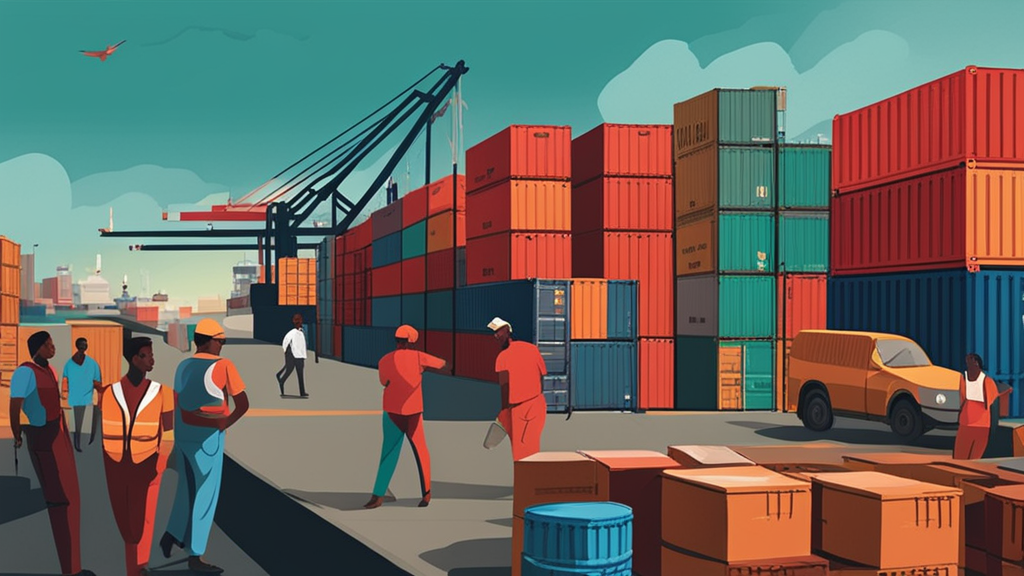
Guyana's evolving economy, particularly its booming oil and gas sector, has led to increased shipping activities, making understanding port dues essential for anyone involved in freight forwarding. However, the Guyana Port Authority has not published current tariffs, leading to some challenges for forwarders trying to quote port dues accurately. This article will explore how freight forwarders navigate these hurdles, what port dues typically include, and provide practical advice for expatriates and businesses operating in Georgetown.
The Landscape of Port Dues in Guyana
Port dues are fees charged by the port authority for the use of port facilities, including docking, loading, and unloading services. In Guyana, these dues can be particularly complex due to the absence of a publicly available tariff schedule. This absence can create uncertainty for importers and freight forwarders who need to calculate costs accurately. Since the economy is heavily influenced by the oil and gas sector, the volume of shipping traffic has surged, but the infrastructure has not kept pace, complicating logistics.
Typical Components of Port Dues
While exact figures for port dues may not be available, certain components are typically included in these fees:
- Ship Dues: These are charges levied on vessels entering the port, covering the use of berths, navigation aids, and other port infrastructure. The amount is often based on the gross tonnage of the ship.
- Cargo Dues: Charged based on the weight or volume of goods being loaded or unloaded. The nature of the cargo—whether it is hazardous, perishable, or general cargo—can affect these charges.
- Terminal Handling Charges (THC): These are fees for services provided at the terminal, including loading and discharging containers.
- Storage Charges: Imposed for containers that remain at the port beyond the free storage period.
How Forwarders Quote Port Dues Without a Published Tariff
Freight forwarders play a crucial role in navigating the complexities of shipping and logistics. In the absence of published tariffs from the Guyana Port Authority, these professionals have developed strategies to estimate port dues. Here are some of the methods they commonly employ:
Industry Benchmarks
Forwarders often rely on industry benchmarks and historical data to estimate port dues. They may analyze past shipments to similar destinations, comparing costs for comparable cargo types. For instance, if a forwarder previously handled a shipment of construction materials from Miami to Georgetown, they might reference that experience to provide a quote for a new shipment, adjusting for any known changes in shipping conditions or market rates.
Direct Communication with Port Authorities
Many freight forwarders maintain relationships with port officials and may inquire directly about expected changes in dues or any unpublished rates. This proactive approach allows them to gather intelligence that can inform their quotes. While the port authority may not publish formal tariffs, they might offer insights into current practices or expected increases in fees due to rising operational costs.
Practical Considerations for Expats and Businesses
For expatriates and businesses in Georgetown, understanding how to manage port dues is crucial for maintaining cost-effective operations. Here are some practical tips:
1. Engage Experienced Freight Forwarders
When shipping goods to Guyana, it's advisable to work with freight forwarders who have a strong local presence and experience in navigating the Guyanese market. These professionals can provide valuable insights into local practices and help you avoid unexpected charges. They can also assist with documentation, ensuring you meet all regulatory requirements to facilitate smoother customs clearance.
2. Budget for Unforeseen Costs
Given the unpredictability of port dues, it's wise to budget for potential fluctuations in costs. Forwarders might provide an initial estimate, but additional charges may arise during the import process. Setting aside extra funds can help manage these unexpected expenditures, especially when dealing with high volumes of cargo, which is common in oil and gas-related shipments.
3. Stay Informed About Regulatory Changes
The shipping landscape in Guyana is dynamic, with ongoing developments in regulations and port operations. Regularly check with the Guyana Revenue Authority and the Port Authority for updates. Participating in local business forums or expatriate groups can also provide insights into the latest changes affecting logistics and shipping costs.
Cultural Nuances and Adaptation
Adapting to the local business culture is crucial for expatriates. Guyana’s approach to business may differ from what you are accustomed to in North America or the UK. Building relationships and trust with local partners, including freight forwarders and port authorities, is often key to success. Additionally, understanding the pace of operations—where decisions may take longer than anticipated—can help manage expectations.
Networking Opportunities
Engaging with local business networks can provide access to valuable resources. Consider attending trade shows, industry conferences, or local chambers of commerce events. These gatherings offer opportunities to connect with other professionals, share experiences, and learn about best practices for shipping and logistics in Guyana.
Conclusion
Navigating port dues in Guyana without a published tariff can be challenging, but freight forwarders employ various strategies to provide accurate quotes. By understanding the components of port dues, engaging experienced forwarders, budgeting for unforeseen costs, and adapting to the local business culture, expatriates can effectively manage shipping operations in this rapidly evolving economy. As the oil and gas sector continues to drive growth, staying informed and connected will be vital for success in Guyana's logistics landscape.