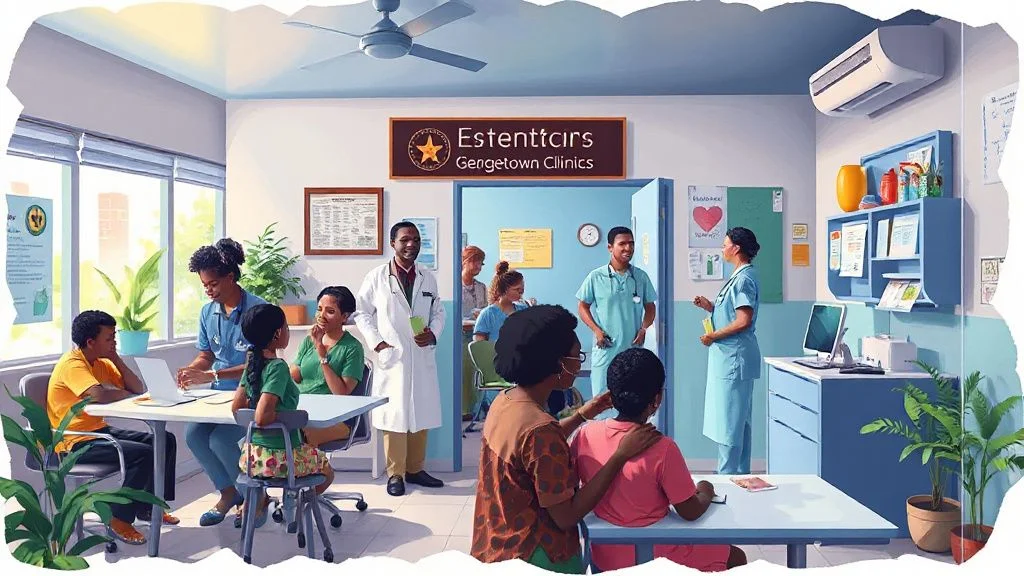
For expatriates and returning professionals in Guyana, understanding the healthcare framework is vital for ensuring well-being and access to necessary services. The Guyana Ministry of Health plays a crucial role in overseeing the nation's healthcare system, managing public health initiatives, and ensuring that residents have access to adequate medical care. This article will delve into the various responsibilities of the Ministry, the services it provides, and what residents can expect from the healthcare system.
Overview of the Guyana Ministry of Health
The Ministry of Health in Guyana is responsible for developing and implementing health policies that promote the well-being of all residents. Its primary goal is to ensure that all citizens have access to quality healthcare services. The Ministry oversees a wide range of health-related areas, including preventive care, disease control, and health education.
In recent years, the Ministry has focused on improving healthcare facilities and services, particularly in rural and underserved areas. This includes increasing access to essential services and improving the quality of care available in public hospitals. The Ministry also works to manage health crises, such as outbreaks of infectious diseases, and to coordinate responses to public health emergencies.
Key Responsibilities of the Ministry of Health
Healthcare Policy Development
The Ministry of Health is tasked with formulating health policies that guide the overall healthcare system in Guyana. This includes conducting research to identify health challenges and developing strategies to address them. Policies are designed to promote a healthier population, reduce the burden of disease, and ensure equitable access to healthcare services across the nation.
Furthermore, the Ministry regularly reviews and updates health regulations to reflect the evolving healthcare landscape. This includes incorporating international best practices and adapting to the unique health needs of the Guyanese population. The Ministry also collaborates with various stakeholders, including international organizations, to strengthen its policies and initiatives.
Healthcare Services Management
One of the Ministry's primary functions is to manage public health services across Guyana. This encompasses a range of healthcare facilities, including hospitals, clinics, and health posts. The Ministry ensures that these facilities are adequately staffed and equipped to provide quality care.
In addition to managing public facilities, the Ministry also regulates private healthcare providers to maintain standards of care. This is essential for ensuring that both local residents and expatriates have access to safe and effective medical services. It is common for expatriates to seek care at private facilities, where they may find more advanced technologies and specialized services.
Health Initiatives and Programs
Preventive Health Programs
The Ministry of Health implements various preventive health programs aimed at reducing the incidence of diseases and promoting healthy lifestyles. This includes vaccination campaigns, health education initiatives, and regular health screenings. For instance, the Ministry runs programs focused on maternal and child health, aiming to reduce maternal and infant mortality rates.
Additionally, the Ministry has launched campaigns to combat non-communicable diseases (NCDs) such as diabetes and hypertension, which are prevalent in the region. These initiatives often emphasize the importance of lifestyle changes, including diet and exercise, and provide resources for community members to make healthier choices.
Government Sponsored Health Subsidies
In an effort to make healthcare more accessible, the Guyana Ministry of Health offers several government-sponsored health initiatives. For example, all Guyanese residents are eligible for the $10,000 Universal Health Voucher, which can be used for laboratory tests at approved private health facilities. This initiative is particularly beneficial for those who may struggle with out-of-pocket expenses for healthcare services.
Women aged 21 to 65 can access an $8,000 voucher for cervical cancer screening, demonstrating the Ministry's commitment to women's health. These vouchers are designed to encourage preventive care and support early detection of health issues.
Challenges and Areas for Improvement
While the Ministry of Health has made significant strides in improving healthcare access and quality, challenges remain. Many public health facilities are still underfunded and face issues related to outdated equipment and insufficient staffing. This can lead to longer wait times and reduced quality of care, particularly in rural areas where healthcare resources are scarce.
Moreover, the health system in Guyana is often strained by high demand, especially during outbreaks of infectious diseases or public health emergencies. The Ministry continues to work towards enhancing the healthcare infrastructure and expanding services, but residents should be aware of these challenges when seeking care.
What Expats Should Know
For expatriates living in Guyana, understanding the healthcare landscape is crucial. While the public healthcare system is available to all residents, many expats choose to utilize private healthcare facilities for a higher standard of care and shorter wait times. It is advisable for expatriates to obtain international health insurance that covers both local and international care options.
Additionally, being proactive about health issues and participating in preventive health programs offered by the Ministry can greatly enhance well-being. Familiarizing oneself with available health vouchers and programs can provide significant financial relief and access to necessary services.
Conclusion
The Guyana Ministry of Health plays a vital role in ensuring the health and well-being of residents, including expatriates. By overseeing healthcare policy, managing services, and implementing health initiatives, the Ministry aims to improve health outcomes for all. While challenges remain, understanding the available resources and engaging with the healthcare system can help residents navigate their health needs effectively.