
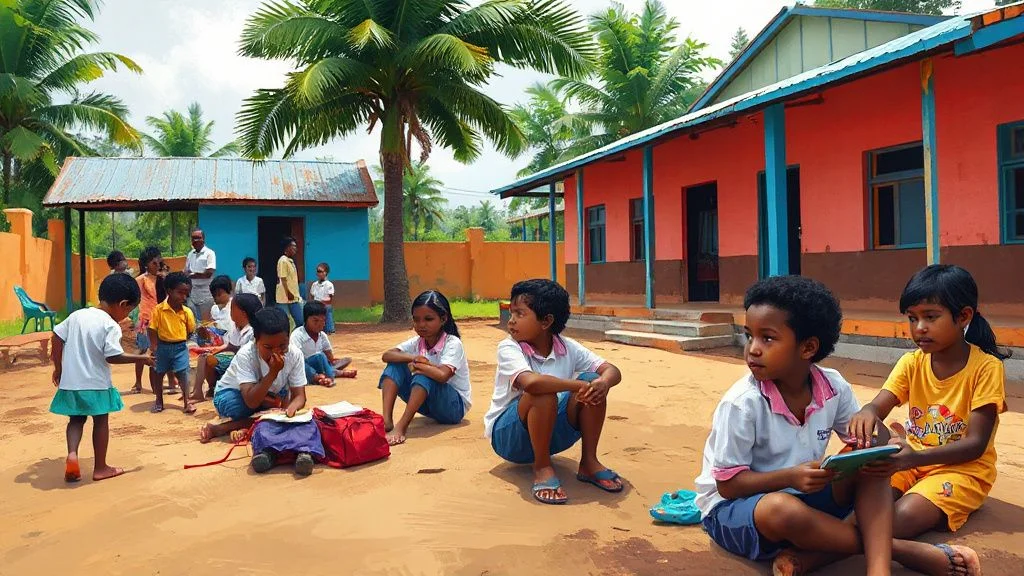
As expatriates and returning diaspora professionals consider relocating to Guyana, one of the most critical aspects to evaluate is the education system, especially for families with children. The International Baccalaureate (IB) curriculum has gained recognition for its rigorous academic standards and holistic approach to education. This article delves into the IBO curriculum offered in Guyana, the benefits of enrolling in an IB school, and practical considerations for expatriates navigating the educational landscape in Georgetown.
What can we help you with?
Three short questions, then just how to reach you. No account needed.
Understanding the International Baccalaureate Curriculum
The International Baccalaureate (IB) curriculum is designed to provide a challenging and comprehensive education for students aged 3 to 19. It is divided into four programs: the Primary Years Program, the Middle Years Program, the Diploma Program, and the Career-related Program. Each program emphasizes critical thinking, intercultural understanding, and respect, preparing students for a globalized world.
In Guyana, the IB curriculum is primarily offered at international schools, which cater to expatriates and local families seeking a global education for their children. These institutions are known for their commitment to academic excellence and their diverse student bodies, which include children from various cultural backgrounds.
Benefits of the IB Curriculum
One of the significant advantages of the IB curriculum is its international recognition. Students who complete the IB Diploma Program are well-prepared for university admission worldwide, as the program is respected by universities in the United States, Canada, the UK, and beyond. This recognition can be particularly beneficial for expatriate families who may return to their home countries or move to other locations after their time in Guyana.
Moreover, the IB curriculum emphasizes a well-rounded education, focusing not only on academic subjects but also on personal development. Students engage in community service, extracurricular activities, and projects that foster creativity and critical thinking. This holistic approach helps students develop essential life skills, making them more adaptable and resilient in an ever-changing world.
International Schools in Guyana: A Closer Look
Several international schools in Guyana offer the IB curriculum. These schools provide a nurturing environment for students from preschool through high school. They pride themselves on their diverse communities, fostering an inclusive atmosphere where cultural exchange is encouraged.
Many of these schools offer the full IB continuum, including the Primary Years Program for younger students, the Middle Years Program for middle schoolers, and the Diploma Program for high school students. The curriculum is designed to challenge students academically while promoting personal growth and social responsibility. Faculty members are often experienced educators, many of whom hold advanced degrees and have international teaching experience.
Tuition Fees and Financial Considerations
For expatriate families considering international schools, it is essential to understand the financial implications of enrolling their children in an IB school. Tuition fees at these institutions are competitive compared to other international schools in the region. As of April 1, 2026, the annual tuition fees are as follows:
- Pre-Kindergarten: $8,000 (2026-04-01)
- Elementary School: $23,300 (2026-04-01)
- Middle School: $28,500 (2026-04-01)
- High School: $28,500 (2026-04-01)
These fees cover tuition, but additional costs may include uniforms, textbooks, and extracurricular activities. Families should budget accordingly and verify with the school for the most accurate and up-to-date information regarding fees and payment plans.
Practical Tips for Expat Families
Transitioning to a new educational system can be challenging for expatriate families. Here are some practical tips to help ease the process:
- Visit Schools: Before making a decision, schedule visits to potential schools. This allows you to meet with faculty, tour the facilities, and get a feel for the school's culture.
- Engage with Other Parents: Connect with other expatriate families in the area. They can provide valuable insights into the school community and share their experiences.
- Understand the Curriculum: Familiarize yourself with the IB curriculum and its requirements. This knowledge will help you support your child’s learning and understand what to expect as they progress through the program.
- Plan for Cultural Adjustment: Moving to a new country involves cultural adjustments. Encourage your children to embrace the local culture while maintaining their own identity. Participate in community events and activities to foster connections.
- Consider Language Support: If your child is not fluent in English, inquire about language support programs offered by the school. Many international schools provide additional language assistance to help students transition smoothly.
Cultural Nuances and Adaptation
Guyana is a culturally rich country with a diverse population. Understanding the local customs and traditions can enhance your family's experience. The country has a unique blend of Indigenous, African, Indian, and European influences, which is reflected in its festivals, cuisine, and daily life.
Expatriates may find that social interactions differ from what they are accustomed to in the US, Canada, or the UK. Guyanese people are generally warm and welcoming, and building relationships with locals can be rewarding. Engaging in community activities, such as local festivals or sports, can provide opportunities to connect with your neighbors and learn more about the culture.
Neighborhoods and Resources
When relocating to Georgetown, consider the neighborhoods that are popular among expatriates. Areas known for their family-friendly environments and proximity to international schools often have amenities such as parks, shopping centers, and restaurants catering to diverse tastes.
Additionally, several local resources can assist expatriates in their transition. Online forums and social media groups dedicated to expatriates in Guyana can provide valuable information and support. These platforms often share insights on housing, schooling, and cultural experiences, making it easier for families to acclimate to their new surroundings.
Conclusion
Enrolling your child in an International Baccalaureate school in Guyana can provide a high-quality education that prepares them for a global future. Understanding the curriculum, tuition fees, and practical considerations will help expatriate families make informed decisions. By embracing the local culture and engaging with the community, families can create a fulfilling and enriching experience during their time in Guyana.
