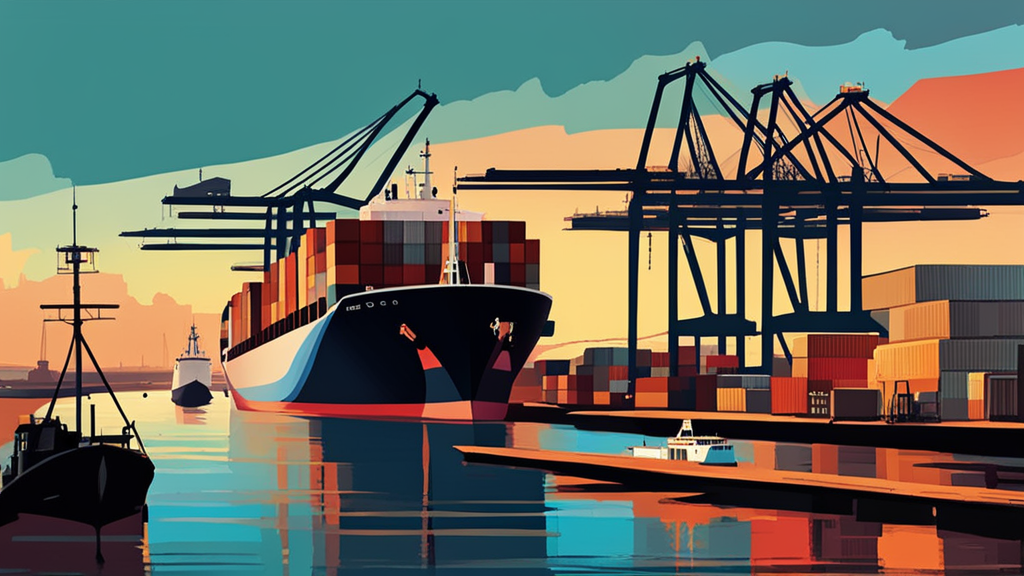
Georgetown's terminal handling charges include fees for loading and unloading containers, origin and destination handling charges, and miscellaneous costs. Understanding these charges is essential for expatriates to budget effectively for shipping.
For expatriates and returning diaspora professionals living in Georgetown, understanding the terminal handling charges at the wharf is crucial for navigating the logistical challenges of shipping goods to and from Guyana. This article will break down the various fees associated with Georgetown's port operations, what they entail, and how they compare to costs familiar to those coming from the US, Canada, or the UK.
Overview of Georgetown's Port Operations
Georgetown, the capital of Guyana, is served by the Port of Georgetown, located on the banks of the Demerara River. The port is a vital hub for both imports and exports, particularly as the country experiences a surge in economic activity driven by the oil and gas industry. Ships calling at Georgetown must adhere to specific operational protocols, which include various handling charges incurred at the terminal.
The port is primarily operated by the Guyana National Shipping Corporation, along with several other smaller shipping companies. It features multiple terminals, including La Penitence and Marshalling Yard, catering to different types of cargo ranging from containers to heavy machinery. Understanding the financial implications of using these facilities can help expatriates budget appropriately for their shipping needs.
Types of Handling Charges at Georgetown Wharf
When shipping goods into or out of Georgetown, you will encounter several types of charges. Here’s a breakdown of the common handling fees typically billed separately by the terminal:
1. Terminal Handling Charges (THC)
Terminal Handling Charges are fees imposed by the port for the services provided during the loading and unloading of containers. These charges typically cover the use of terminal equipment, labor, and other operational costs associated with handling cargo. As of our last update, the THC for containers can vary based on size and type. This means that if you are shipping a standard container, you can expect to pay a fee that reflects the operational costs at the port. For expatriates accustomed to USD pricing, it's important to factor in these additional costs into your overall shipping budget.
2. Origin Handling Charges (OHC) and Destination Handling Charges (DHC)
OHC and DHC are specific fees associated with the loading and unloading of containers at their respective points of origin and destination. For example, if you are shipping cargo from Georgetown to the US, the OHC would apply at Georgetown, while the DHC would be applicable upon arrival in the US. These charges can significantly affect your overall shipping costs, and thus, it is advisable to clarify these fees with your shipping provider in advance.
3. Miscellaneous Charges
In addition to the THC, OHC, and DHC, there are various other miscellaneous charges that may apply, including:
- Customs Clearance Fees: Importing goods into Guyana requires customs clearance, which typically incurs a fee. Expect to pay additional costs associated with documentation, inspections, and other administrative processes.
- Storage Fees: If your cargo is not picked up promptly, storage fees can accrue. Understanding the terms of your shipping agreement can help avoid unexpected delays and costs.
- Port Security Fees: As part of compliance with international shipping regulations, additional security fees may be charged to ensure safe handling and storage of goods.
These miscellaneous charges can vary significantly based on the specifics of your shipment, so it's advisable to consult with your shipping agent to get a comprehensive understanding of potential costs.
- Terminal Handling Charges (THC): Fees vary based on container size and type.
- Origin Handling Charges (OHC) and Destination Handling Charges (DHC): Fees apply at both the origin and destination points.
- Miscellaneous Charges: Includes customs clearance fees, storage fees, and port security fees.
Practical Considerations for Expatriates
For expatriates unfamiliar with shipping logistics in Guyana, there are several practical considerations to keep in mind:
1. Planning Ahead
Given the complexities involved in shipping logistics, planning ahead is essential. Register with the Guyana Revenue Authority (GRA) to obtain a Taxpayer Identification Number (TIN) and ensure that all necessary documentation is in order before your shipment arrives. This can help streamline the customs clearance process and reduce potential delays.
2. Understanding the Local Market
Guyana's shipping industry is evolving rapidly, especially with the growth of the oil and gas sector. Familiarize yourself with local shipping companies and services that can assist with your logistical needs. This knowledge can help you make informed decisions about which services to use, thus potentially saving you money and time.
Comparison to North American and UK Shipping Costs
When comparing Georgetown's handling charges to those in North America or the UK, expatriates may find that some costs are lower, while others may be higher. For example, while terminal handling charges in Georgetown might be slightly lower than in major US ports, additional customs and storage fees can stack up quickly.
In the US, typical terminal handling charges can vary widely depending on the port and type of container. In contrast, Georgetown's relatively lower THC can be appealing. However, expatriates should consider the total cost of logistics, including customs duties and other fees, when making comparisons.
What Expats Should Know
Here are some insider tips for expatriates shipping to or from Georgetown:
- Stay Updated: Shipping rates and handling charges are subject to change, and being informed can help avoid surprises. Regularly check with your shipping company for updates.
- Utilize Local Expertise: Consider hiring local customs brokers or freight forwarders who understand the nuances of Guyana’s shipping regulations to facilitate a smoother shipping process.
- Build Relationships: Establishing good rapport with local shipping agents can lead to better service and potentially lower costs, as they may offer discounts to regular clients.
Conclusion
Understanding the wharf handling charges and terminal fees at Georgetown's port is essential for expatriates navigating shipping logistics in Guyana. With various charges, including terminal handling, origin and destination handling fees, and miscellaneous costs, it is vital to plan ahead and stay informed. By doing so, you can ensure that your shipping experience is efficient and cost-effective, allowing you to focus on your professional endeavors in this rapidly developing economy.