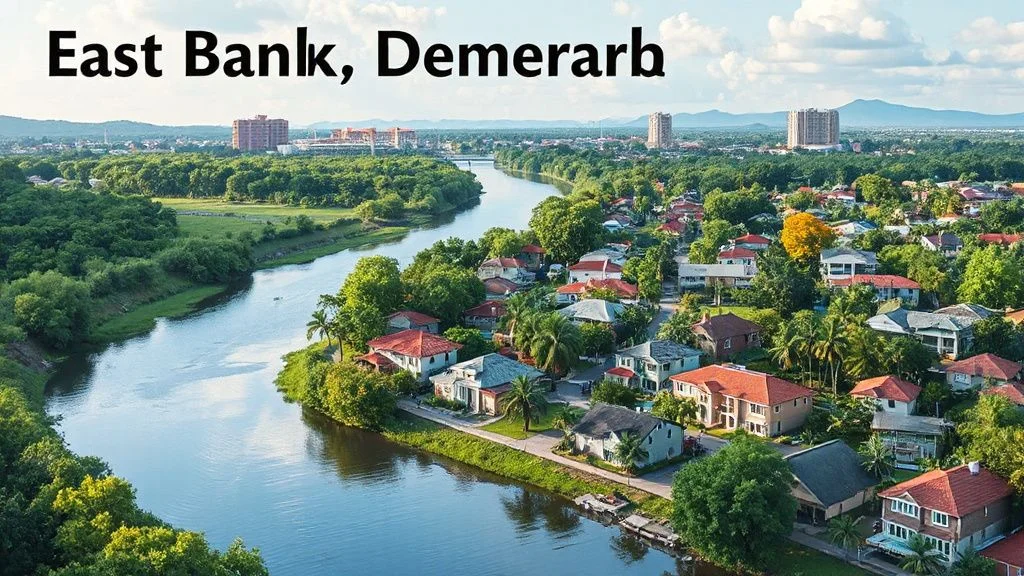
The East Bank of the Demerara River, a vital region of Guyana, offers a unique blend of history, culture, and modern development. This area is increasingly becoming a hub for expatriates and returning professionals drawn to the country’s burgeoning oil and gas economy. This article provides an in-depth look at the East Bank's communities, transport options, climate, and safety considerations, along with practical tips for those considering relocation.
What can we help you with?
Three short questions, then just how to reach you. No account needed.
A Brief Historical Overview
The East Bank is steeped in history, influenced by both Dutch and British colonialism. The early 17th century saw the Dutch establish trading posts along the river, recognizing its potential for trade and settlement. In 1745, Demerara was officially designated a separate colony, which was later taken over by the British in the late 18th century. The capital of the colony moved to Stabroek—now Georgetown—in 1782, solidifying the East Bank's significance.
Throughout the 19th century, the East Bank's economy thrived mainly due to sugar cane plantations, with significant estates contributing to agricultural output. The abolition of slavery in 1833 led to an influx of indentured laborers from India, enriching the cultural tapestry of the region. Today, this diverse history is reflected in the communities, festivals, and culinary traditions that thrive in the area.
Geography and Accessibility
The East Bank of the Demerara River is characterized by its flat coastal plain, which is home to several communities including Houston, Providence, Grove, Diamond, and Soesdyke. This area serves as a major corridor for transportation, connecting Georgetown to the Cheddi Jagan International Airport (CJIA) at Timehri, approximately 40 km away. The Demerara Harbour Bridge, located at Peter's Hall, is a key transit point, but it can experience heavy traffic, especially during peak hours.
Traveling from Georgetown to the East Bank typically takes around 25 to 50 minutes, depending on traffic conditions. Various transportation options are available, including taxis, buses, and ride-hailing services. For instance, ride-hailing apps provide a convenient way to travel to the East Bank without the hassle of negotiating fares. Be aware that during peak morning (6 AM to 9 AM) and evening (4:30 PM to 7 PM) hours, traffic congestion can significantly extend travel times.
Transport Options
- Taxis: Traditional taxis are widely available, and it’s advisable to confirm rates before starting your journey. Fixed fares are often more predictable.
- Ride-Hailing Services: Apps offer fixed fares and an all-electric fleet, making them an eco-friendly choice for travel across the East Bank.
- Buses: Public buses operate along major routes, providing a budget-friendly option for those who prefer public transport. However, schedules may vary, and they can be crowded.
Climate and Seasonal Considerations
Guyana experiences a tropical climate, with distinct wet and dry seasons. The dry season typically runs from late November to mid-April, while the wet season spans the remaining months, peaking from May to August. The East Bank, like much of the coastal region, can experience heavy rainfall during the wet season, which may lead to localized flooding in certain areas.
For expatriates, understanding the climate can aid in planning outdoor activities or events. The dry season is ideal for exploring local attractions, participating in community festivals, or simply enjoying the lush landscapes. While the wet season can be challenging, it also showcases Guyana’s vibrant flora and fauna, offering a unique perspective of the country’s natural beauty.
Living Conditions and Community Life
Life on the East Bank is vibrant and community-focused. Neighborhoods here are generally welcoming, with a mix of modern housing developments and traditional homes. The area has seen significant growth due to the influx of expatriates and development related to the oil and gas sector. This has led to an increase in amenities such as shopping centers, schools, and recreational facilities.
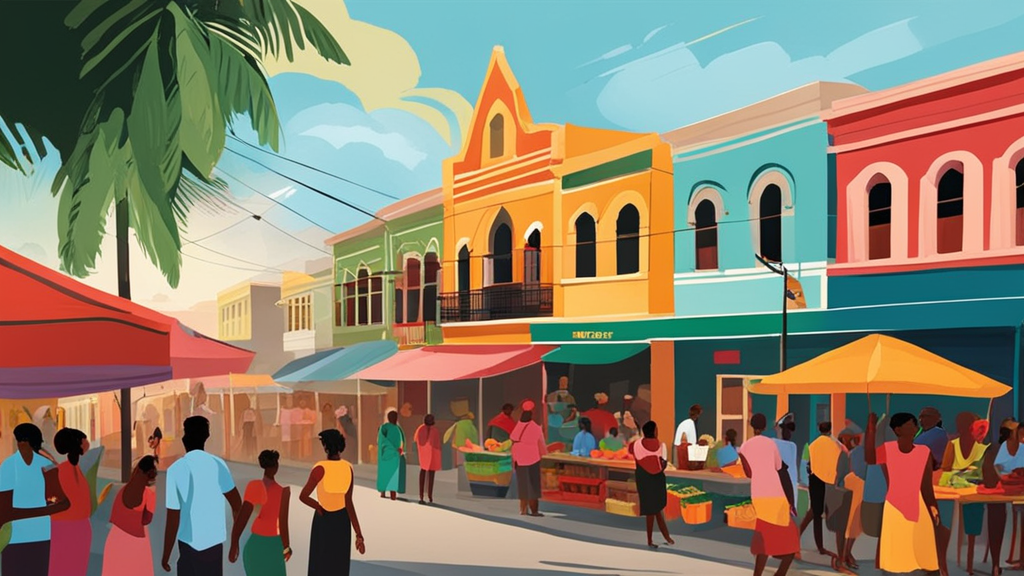
Local markets are a treasure trove for fresh produce, spices, and local delicacies. Engaging with these markets provides an opportunity to connect with the community and experience Guyanese culture firsthand. Residents often participate in communal activities and festivals, showcasing the rich heritage of the region through music, dance, and cuisine.
Safety Considerations
Safety is a key concern for expatriates living in Guyana. While many areas on the East Bank are relatively safe, it is advisable to remain vigilant, especially during evening hours. Avoiding poorly lit or isolated areas is recommended, and securing your home with adequate locks and security systems can provide peace of mind.
It’s also beneficial to stay informed about local news and community updates, which can highlight any safety concerns or relevant crime trends. Engaging with local communities and expat groups can offer support and valuable insights into navigating life in Guyana safely.
Practical Tips for Expatriates
- Connect with Local Communities: Joining local groups or clubs can help you build a network, making it easier to adjust to life in Guyana.
- Learn Basic Phrases: Familiarizing yourself with some local phrases in Guyanese Creole can enhance communication and show respect for the culture.
- Explore Local Cuisine: Don’t miss out on trying traditional dishes; local eateries often serve delicious, affordable meals.
- Stay Updated on Local Events: Participate in local festivals and cultural events, which are excellent opportunities to engage with the community and learn more about Guyanese culture.
Conclusion
The East Bank of the Demerara River is an exciting and rapidly evolving region that offers a unique blend of cultural heritage and modern conveniences. With its rich history, diverse communities, and growing infrastructure, it presents an attractive opportunity for expatriates and returning diaspora professionals. Understanding the local geography, climate, and cultural nuances will help newcomers adjust and thrive in this vibrant area of Guyana.