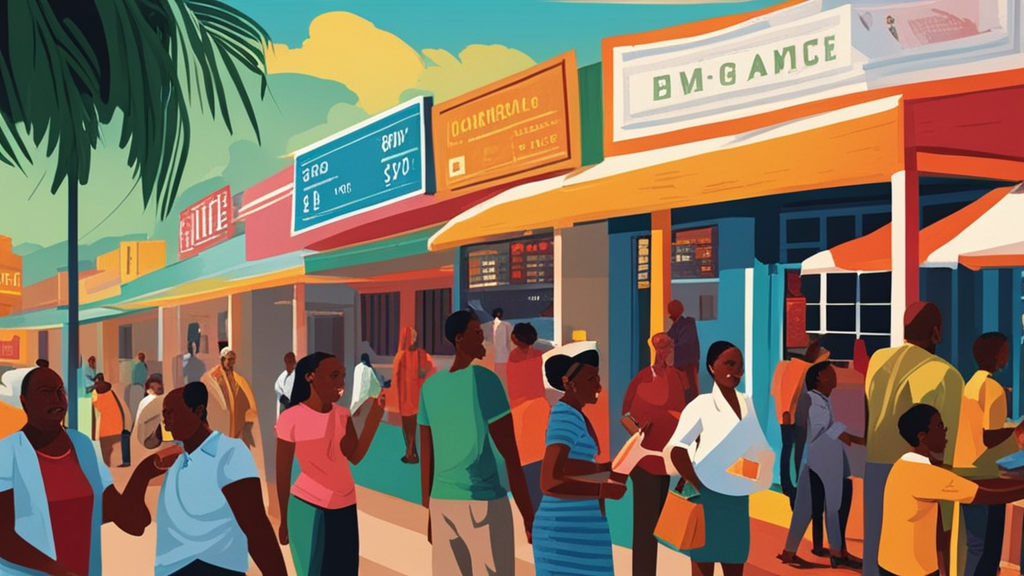
For expatriates and returning professionals in Georgetown, Guyana, understanding the local currency exchange landscape is crucial. This article delves into the differences between cambio rates and bank rates, the factors influencing these rates, and practical advice for navigating currency exchanges effectively.
Understanding Cambio Rates in Georgetown
Cambio rates refer to the rates at which foreign currencies are exchanged for the local currency, the Guyanese dollar (GYD). In Georgetown, these rates can vary significantly from the official bank rates published by financial institutions. The Bank of Guyana sets the official exchange rate, but cambio rates in the informal market often differ, leading to confusion among expatriates and locals alike.
The Informal Exchange Market
In Georgetown, the informal exchange market, often referred to as "cambio," operates alongside formal banking institutions. This market is characterized by a network of cambio dealers who offer competitive rates to attract customers. These rates can fluctuate based on demand, supply, and economic conditions. For instance, if there is a surge in demand for USD due to expatriates sending remittances or tourists visiting, cambio dealers may offer more favorable rates to attract business.
Typically, cambio rates can be higher than bank rates, making it tempting for individuals to exchange their currency in the informal market. However, it is essential to approach these transactions with caution. Verify the legitimacy of the cambio dealer and ensure you are aware of the current market rates to avoid unfavorable deals.
Why Do Cambio Rates Differ from Bank Rates?
The disparity between cambio rates and bank rates can be attributed to several factors. Understanding these can help expatriates make informed decisions when exchanging currency.
Market Demand and Supply
One of the primary reasons for the difference in rates is market demand and supply. Banks typically set their rates based on the official exchange rate provided by the Bank of Guyana, which is influenced by national economic policies and foreign exchange reserves. In contrast, cambio dealers operate in a more flexible environment where they can adjust their rates based on immediate market conditions.
For example, if there is a high demand for USD due to increased oil and gas investments in Guyana, cambio dealers may raise their rates to capitalize on this demand. Conversely, during periods of low demand, they may lower their rates to attract customers. This dynamic can lead to significant differences between cambio and bank rates.
Transaction Costs and Fees
Another factor contributing to the difference in rates is the transaction costs associated with currency exchange. Banks often charge fees for currency conversion, which can affect the final rate offered to customers. These fees are typically built into the bank's exchange rate, making it appear less favorable compared to the rates offered by cambio dealers.
In contrast, cambio dealers may have lower overhead costs and can afford to offer more competitive rates. However, it's crucial to be aware that some cambio dealers may charge hidden fees or offer rates that seem attractive but are not as favorable when calculated against the total amount exchanged.
Practical Tips for Expatriates
For expatriates and returning professionals in Georgetown, navigating the currency exchange landscape can be challenging. Here are some practical tips to help you make the most of your currency exchanges:
1. Research Current Rates
Before exchanging currency, take the time to research current cambio rates and bank rates. Websites and financial news platforms often provide real-time updates on exchange rates. This information can help you identify the best time to exchange your money and ensure you are not overpaying.
2. Compare Multiple Sources
Don't settle for the first cambio dealer you encounter. Compare rates from multiple dealers and banks to find the best deal. Some cambio dealers may offer better rates than others, so it pays to shop around. Additionally, consider visiting banks during business hours to get the most accurate rates.
3. Be Cautious of Scams
While many cambio dealers operate legitimately, some may engage in fraudulent practices. Always verify the dealer's reputation and ensure they are licensed to conduct currency exchange. If a rate seems too good to be true, it probably is. Trust your instincts and prioritize safety over savings.
4. Consider Using a Bank for Large Transactions
For larger transactions, it may be safer to use a bank, even if the rates are less favorable. Banks provide a level of security and transparency that may not be available in the informal market. Additionally, using a bank can help you avoid potential scams associated with cambio dealers.
5. Understand Hidden Costs
When exchanging currency, be aware of potential hidden costs. Some cambio dealers may charge additional fees that are not immediately apparent. Always ask about any fees associated with the exchange and factor these into your calculations to ensure you are getting a fair deal.
What Expats Should Know About Currency Exchange in Guyana
Understanding the currency exchange landscape in Guyana is essential for expatriates. Here are some key takeaways:
1. USD is Widely Accepted
While the Guyanese dollar is the official currency, USD is widely accepted in Georgetown, especially in business districts and tourist areas. This can simplify transactions for expatriates who may prefer to use USD for everyday purchases.
2. VAT and Other Costs
Keep in mind that Value Added Tax (VAT) applies to most goods and services in Guyana. This tax can affect your overall budgeting and should be considered when planning expenses; confirm the current rate with the Guyana Revenue Authority.
3. Currency Volatility
Currency volatility can impact long-term financial planning. The Guyanese dollar may experience fluctuations based on economic conditions, particularly due to the influence of the oil and gas sector. Stay informed about economic trends to make better financial decisions.
Conclusion
Understanding the differences between cambio rates and bank rates in Georgetown is vital for expatriates and returning professionals. By researching current rates, comparing multiple sources, and being cautious of scams, you can navigate the currency exchange landscape effectively. Remember to consider hidden costs and stay informed about economic trends to make the best financial decisions during your time in Guyana.
Primary Sources
Last updated: October 2026